
Seafood can feel like one of the hardest proteins to buy with confidence. It is often more expensive than other choices, it can seem unfamiliar, and many shoppers are unsure how to tell what is Canadian, what is sustainable, and what will actually work for a weeknight meal.
The good news is that Canadian seafood does not have to be complicated. Once you know what matters most at the store and a few easy cooking basics, it becomes much easier to bring seafood into regular meal rotation without stress or waste.

Canada has an extraordinary range of seafood to choose from. Canada is bordered by the Atlantic, Pacific, and Arctic oceans and has the largest freshwater lake system in the world, which helps explain the variety of fish and shellfish available to Canadians.
That variety can be a strength, but it can also create confusion. Many households are asking practical questions like: Is frozen seafood okay? Is farmed or wild better? How do I know if seafood is Canadian? And what is the easiest seafood to start with? Those are exactly the kinds of questions worth answering first.
Why Canadian seafood is worth a closer look
Choosing Canadian seafood can mean more than simply picking a local product. It can also mean supporting harvesters, fish farmers, processors, and coastal or northern communities whose work helps bring seafood to Canadian tables. Some grocery stores now use the “Choose Canadian Seafood” logo to help shoppers more easily identify Canadian products.

For many households, buying Canadian is also about trust. Shoppers want to understand where food comes from, feel confident that it was produced responsibly, and know they are making practical choices that fit their values and budget. That is especially true with seafood, where labels and sourcing can seem more complicated than they are in other parts of the store.
What consumers are most concerned about right now
Price is one of the biggest factors shaping how Canadians buy seafood today. Fresh seafood can be priced higher than other protein options, which makes it a tougher choice for cost-conscious households, while affordable prepared, packaged, and frozen seafood products are more popular as lower-priced alternatives.
Convenience is another major factor. Frozen seafood sales are less seasonal than fresh and tend to perform especially well in winter, which suggests many Canadians are looking for seafood that is easier to keep on hand, portion, and prepare on busy days.
Sustainability also continues to matter. Canadians remain concerned about ocean health, while grocery stores in Canada now carry more than 500 fresh, frozen, and canned Marine Stewardship Council MSC-certified seafood products. That does not mean every shopper is looking for the same label, but it does show that sustainability remains part of the buying conversation.
How to buy seafood with more confidence
At the store, it helps to focus on a few practical cues rather than trying to decode everything at once.
Start with the origin. “Product of Canada” generally means almost all of the ingredients, processing, and labour are Canadian, while “Made in Canada” means the final major processing step happened here and may still include imported ingredients.
Also, look for retailer signage, packaging details, and domestic company information. The “Choose Canadian Seafood” emblem is now used in many grocery stores to help shoppers easily spot Canadian seafood.
Then think about type. Fresh seafood can be excellent, but it is not always the best choice for every household. Frozen seafood is often less expensive, easier to store, available year-round, and less likely to go to waste before you cook it.

Fresh, frozen, canned, or prepared?
There is no one best seafood type. The right choice depends on how you cook, how often you shop, and what your household will actually eat.
Fresh seafood can be a great option when you plan to cook it soon, especially for entertaining or weekend meals. But frozen seafood is often the more practical choice for everyday cooking because it lets you thaw only what you need. Canned seafood can also be a helpful option for lunches, sandwiches, patties, pasta, or salads.
This matters because one of the easiest ways to waste money on seafood is buying a type that does not match your routine. If frozen salmon fillets, canned salmon, or a bag of shrimp are more realistic than a trip to the fresh fish counter, those are smart choices, not compromises.
Farmed vs. wild: what actually matters
This is one of the most common seafood questions, but it is often framed too simply. Both farmed and wild seafood can be responsible options, and Fisheries and Oceans Canada says Canada manages fisheries and aquaculture with environmental, economic, and social sustainability in mind.
A better question is whether the seafood is a species you enjoy, from a source you trust, in a type that suits your kitchen and budget. That shift can make seafood shopping feel much calmer and more manageable.
Easy seafood types to start with
If seafood feels unfamiliar, start with species that are mild, easy to cook, and widely available in Canada. Beginner-friendly options include salmon, trout, cod, halibut, mussels, shrimp, and scallops. Below are some simple ways to cook and use them.
For many households, these are good first steps:
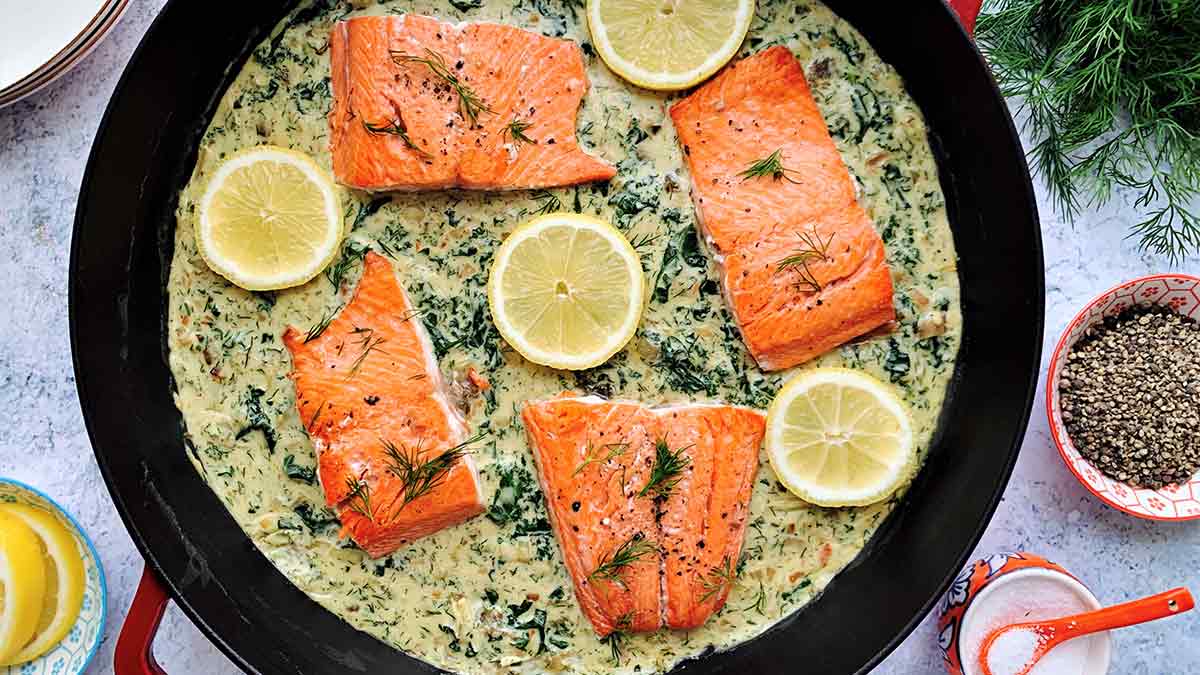
- Salmon for sheet-pan dinners, burgers, pasta, or grain bowls.
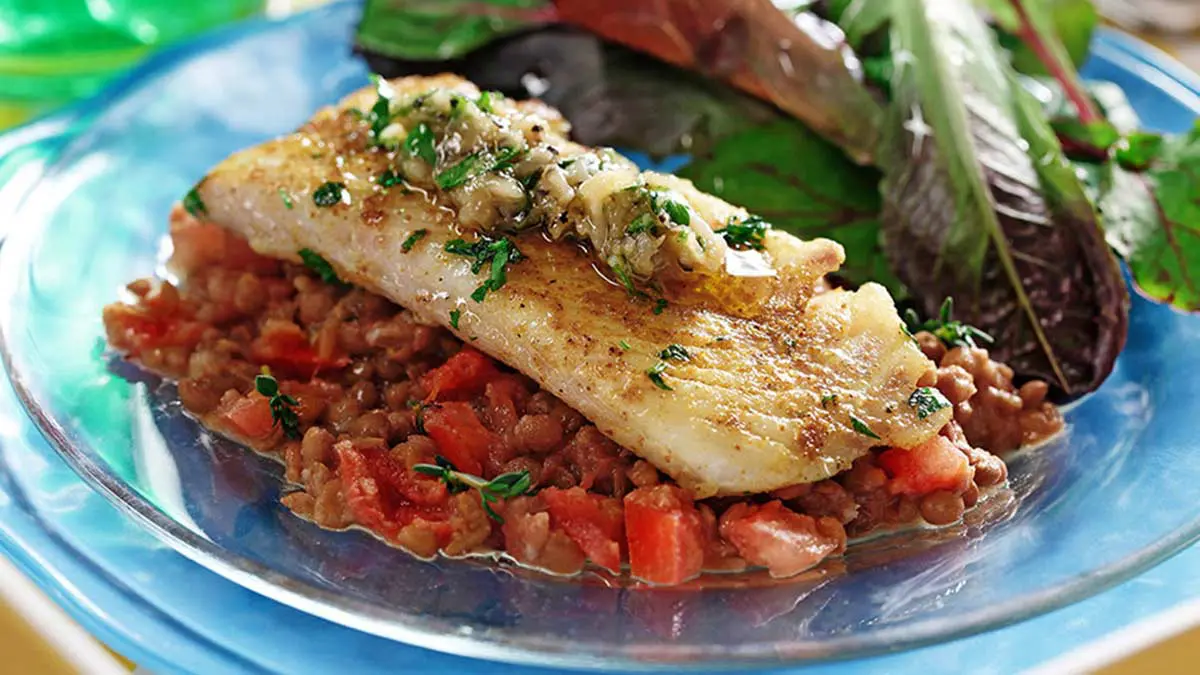
- Cod or other mild white fish for baking, chowders, tacos, or fish cakes.
- Mussels for quick broth-based meals.
- Shrimp for pasta, salads, wraps, and soups.
- Trout for pan-searing or simple roasting.
The easiest way to build confidence is to start with just one or two species and repeat them a few times before branching out.
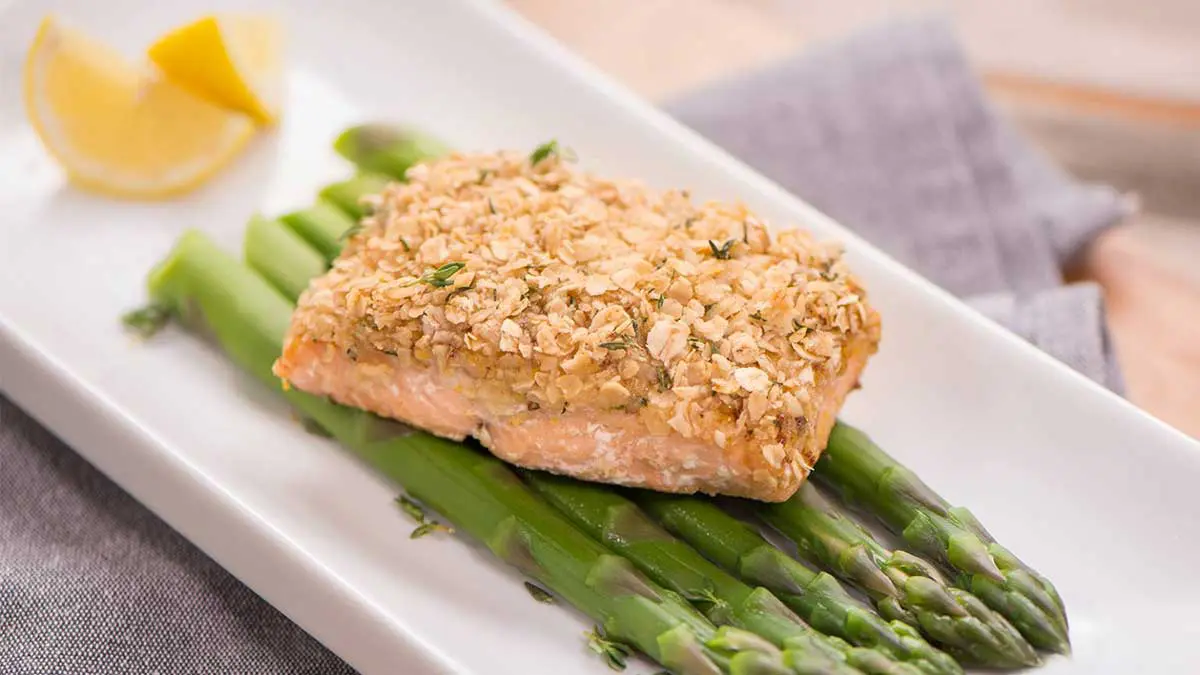
Delicious Recipes to Explore













How to cook seafood without overthinking it
One reason people think they are “bad at seafood” is simply overcooking. Fish should be cooked to an internal temperature of 70 °C, while shellfish and crustaceans such as lobster, shrimp, clams, mussels, oysters, and scallops should be cooked to 74 °C. Most fish is done when it turns opaque and flakes easily, while shrimp and scallops should be opaque and firm but not tough.
Cooking methods that work especially well for beginners:
- Roast salmon or white fish on a sheet pan with vegetables.
- Pan-sear trout or char with lemon and herbs.
- Steam mussels in broth.
- Add cooked seafood to pasta, grain bowls, chowders, tacos, or wraps.
These methods work because they are simple, forgiving, and easy to fit into real-life meals. Read Types of Canadian Seafood and How to Cook Them for more cooking tips.
Bringing seafood into everyday meals
Seafood does not have to be a special-occasion food. In fact, one of the most budget-friendly ways to use it is in meals where a moderate amount goes a long way, such as chowders, grain bowls, tacos, pasta, fish cakes, salads, and sheet-pan dinners. These kinds of flexible, family-friendly ideas help stretch seafood into multiple meals.
That approach can make seafood feel much more realistic for busy households. Instead of asking how to make the perfect fish dinner, it helps to ask: what is the easiest way to fit seafood into the kinds of meals already being made at home?

Canadian seafood becomes much less intimidating when the goal is not perfection. Start with one familiar species, one easy type, and one reliable method. Over time, that is what builds the kind of kitchen confidence that lasts.
Is Canadian seafood sustainable?
Sustainability matters to many shoppers, but it can also feel hard to sort through at the store. The good news is that Canadian seafood comes with strong oversight. Fisheries and Oceans Canada reports that 94% of Canadian fish stocks are harvested at sustainable levels.
It also helps to know that shoppers do not need to decode every package claim on their own. In Canada, third-party sustainability certifications offer the highest level of assurance that seafood has been reviewed against rigorous standards for sustainability, responsibility, and legal harvest, and notes that the majority of wild-capture seafood in Canada holds some form of third-party certification.
At the same time, labels are only one part of the picture. The same guide encourages consumers to pay attention to clear information about origin and production, including whether seafood is wild or farmed and whether a product is labelled “Product of Canada” or “Made in Canada,” since those terms have specific meanings. It also notes that both wild and farmed seafood in Canada can be good choices when it comes to freshness, quality, and sustainability.
For most shoppers, the most useful approach is a simple one: choose Canadian seafood from trusted retailers, look for transparent sourcing information, and use third-party certification labels as a helpful extra signal when they are available. That gives people a practical way to shop with confidence without turning every seafood purchase into a research project.
Additional Articles to Explore







 Easy Canadian Seafood Meals for Busy Weeknights