

Canadian waters offer an incredible variety of fish and shellfish, both farmed and wild, and many of them are easy to cook at home once you know how they taste and what to look for. This guide walks through common Canadian seafood species, flavour and cooking tips, and how to spot Canadian seafood on grocery shelves with confidence.
How to Cook and Use Popular Canadian Seafood
Here is a simple overview of how some popular Canadian seafood tastes and how to use it in the kitchen.
| Canadian Seafood | Flavour & Texture | Great Ways to Cook/Use |
|---|---|---|
| Atlantic Salmon | Rich, moist, mild “fish” taste, tender flesh | Bake, grill, pan-sear, salmon burgers, pasta, grain bowls |
| Trout (rainbow/brook) | Delicate, slightly nutty, softer flakes | Pan-fry fillets, bake whole trout, smoke, grill in foil |
| Arctic Char | Between salmon and trout; rich but refined, fine flakes | Roast, grill, pan‑sear, serve with roasted root vegetables |
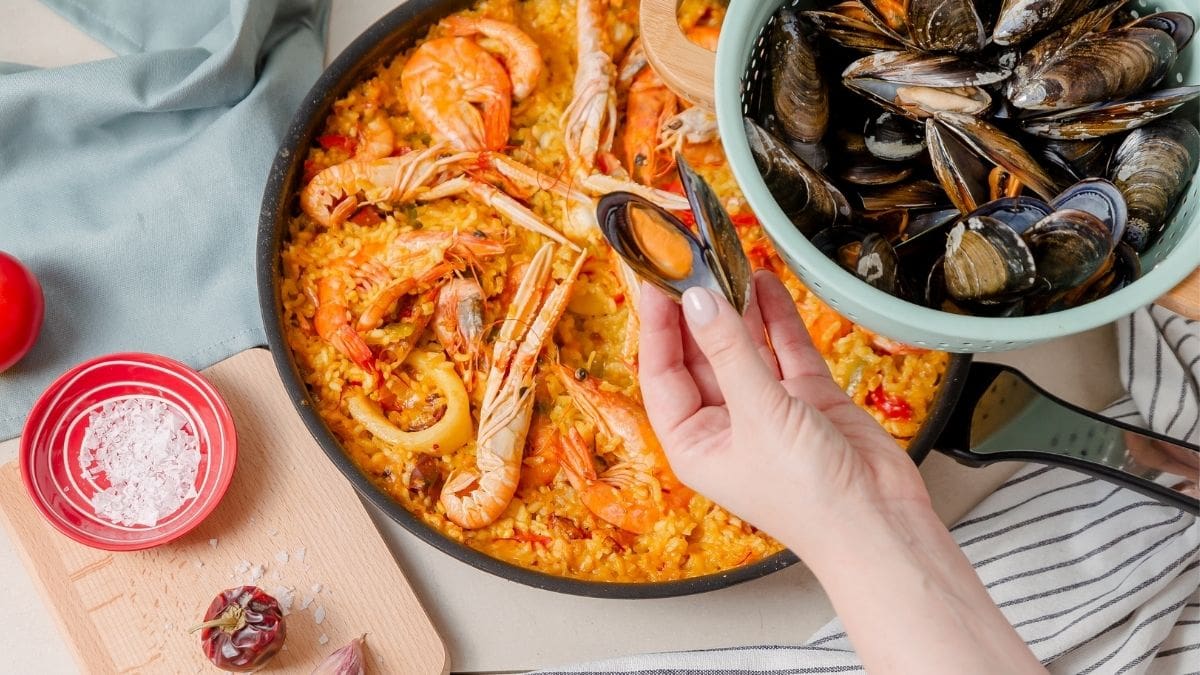
| Mussels (blue) | Sweet, briny, tender when just cooked | Steam in broth, add to pasta, curries, seafood stews |
| Oysters | Range from light and salty to briny and meaty | Eat raw with lemon, bake, grill |
| Pacific Salmon (Sockeye, Chinook, etc.) | From rich and buttery (Chinook) to leaner and firm (Sockeye) | Grill, roast, cedar plank, kebabs, chowder |
| Halibut | Mild, slightly sweet, firm “steak-like” flesh | Pan‑sear, roast, fish tacos, bake with crumbs |
| Albacore Tuna (BC) | Mild, meaty, best cooked rare to medium‑rare | Sear steaks, poké, salads, sandwiches |
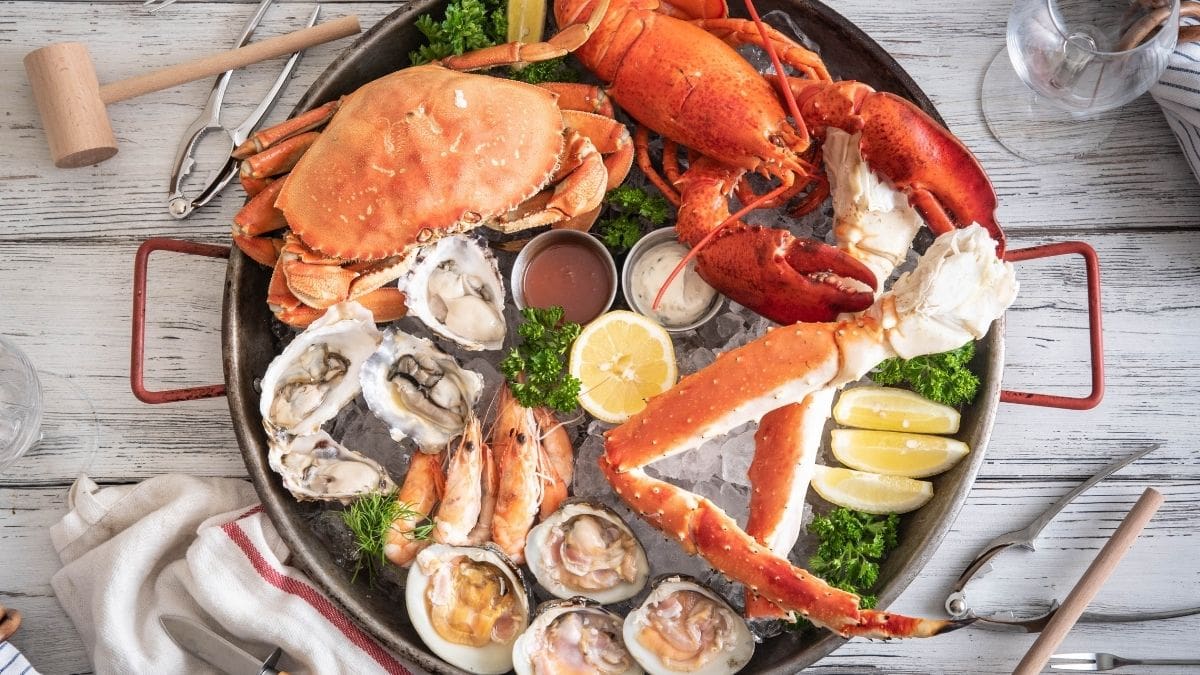
| Lobster | Sweet, rich, slightly firm meat | Boil/steam, lobster rolls, chowder, pasta |
| Scallops | Sweet, tender, almost “buttery” when seared | Sear in a hot pan, skewer and grill, add to pasta or risotto |
| Cold Water Shrimp | Delicately sweet, rich flavour with juicy, firm texture; usually small and pink | Add to pastas, chowders, salads, sandwiches; warm gently at end of cooking so they stay tender fisherfolk |
| Crab (snow, rock, etc.) | Sweet, delicate, slightly briny meat that flakes easily | team with butter and lemon, crab cakes, dips, sushi rolls, pasta |
| Atlantic Cod | Lean, white flesh with mild, slightly sweet taste and large, tender flakes | Baked cod, fish and chips, chowders, stews, pan‑fried fillets |
| Pacific Hake | Mild, slightly sweet, softer flaky texture compared to cod Fish | tacos, baking, pan‑frying, fish cakes and chowders |
| Pickerel / Walleye | Light, succulent flavour with fine, tender flakes | Pan‑sear, shallow‑fry, bake, grill fillets; excellent simply seasoned with lemon and herbs |
| Redfish (ocean perch) | Mild to moderately sweet, moist flesh with small to medium flakes | Pan‑fry, bake, broil, use in chowders or fish stews |
| Rockfish (various species) | Mild, slightly sweet, medium‑firm flesh that holds together well | Bake or roast fillets, fish tacos, pan‑sear, use in curries or stews |
| Sablefish (black cod) | Very rich, buttery, velvety texture with large white flakes and a sweet flavour | Roast or broil with a glaze, pan‑sear, grill, smoke; forgiving for new cooks because the natural oils help prevent drying out |

Cooking tips for seafood meals
Seafood is naturally nutrient-dense, providing high-quality protein, omega‑3 fats and important minerals like selenium and iodine. To keep that nutritional value and appealing texture, focus on gentle cooking and avoid overcooking, which quickly makes seafood dry or rubbery.
- To prevent the fish from sticking to the cooking surface, pat the fish dry with a paper towel before cooking.
- When frying or grilling, use fish with skin. Cook skin-side down. The skin helps hold the fish together and protects it from overcooking. The skin can be removed after cooking according to your preference.
- Always cook fish to an internal temperature of 70 °C (158 °F). Use a food thermometer for accuracy.
- For stuffed fish, shellfish and crustaceans (crab, lobster, shrimp, clams, mussels, oysters, scallops) cook to and internal temperature of 74°C (165°F).
- When cooking clams, mussels, oysters and scallops in shells, throw away any that don’t open.
- Visual cues: Most fish is done when it turns opaque and flakes easily with a fork; shrimp and scallops should just turn opaque and firm but not tough.
| Seafood | Internal Temperature |
|---|---|
| Fish | 70°C (158°F) |
| Shellfish and crustaceans, for example, crab, lobster, shrimp, clams, mussels, oysters, scallops | 74°C (165°F) |
- Simple seasonings: Canadian seafood shines with canola oil, lemon, garlic, herbs, a sprinkle of salt and pepper, or classic marinades using maple, soy, mustard or dill.
- Family‑friendly ideas:
- Toss pieces of salmon or white fish with oil and spices and roast on a sheet pan with vegetables.
- Use cooked mussels, shrimp or fish in chowders or tomato-based stews to stretch a smaller amount of seafood into multiple meals.
- Add flaked cooked fish to fish cakes, tacos or wraps for easy leftovers.
Best beginner-friendly choices
For shoppers new to seafood, the easiest starting points are usually species that are mild, flexible, and forgiving. Based on the Canadian Food Focus guide, especially approachable options include salmon, trout, cod, halibut, shrimp, mussels, and scallops.
These species fit easily into familiar meals:
- Salmon in grain bowls, burgers, pasta, or baked sheet-pan dinners.
- Cod in chowders, tacos, casseroles, or simple baked fillets.
- Trout roasted whole or pan-fried with herbs.
- Shrimp in pasta, wraps, salads, or soup.
- Mussels steamed in broth and served with bread or noodles.
For households that want a low-risk first seafood meal, this kind of practical matching matters more than culinary complexity.
Hungry for More? Explore These Delicious Recipes





How to Find Canadian Seafood in the Grocery Store
If you are wondering how to identify Canadian foods, most pre‑packaged foods in Canada must identify the company responsible and often include a statement about where the product was made or processed, which helps you spot Canadian options. On fish and seafood, you may see several helpful clues on the package or at the fish counter.
- Company address: A Canadian address on the label shows the company is based here, though the fish itself may be from Canada or imported.
- “Product of Canada”: This voluntary phrase means essentially all of the main ingredients, processing and labour (at least about 98%) are Canadian, so for seafood, it signals that the fish was raised or caught and processed in Canada.
- “Made in Canada”: This indicates the last major step in making the product happened in Canada, but some or all ingredients may be imported; often you will see qualifiers such as “Made in Canada from imported ingredients.”
- Understanding Canadian Seafood Labels and Logos
Labelling rules for fish and seafood outline required information such as the common name, the company’s name and address and, for imported products, the country of origin. In addition, voluntary campaigns and logos help Canadians quickly spot domestic seafood.
- Choose Canadian Seafood logo: Many Sobeys and Safeway stores across Canada now use the “Choose Canadian Seafood” emblem on Canadian products. This label is designed to help shoppers easily recognize seafood that supports Canadian fisheries and aquaculture, alongside recipe ideas and tips.

- Other clues at the counter: Some retailers add extra details such as harvest area (for example, “Pacific, BC” or “Atlantic, PEI”), whether the fish is fresh or previously frozen and how it was caught or farmed, which all support informed choices.
- Farmed vs wild: Packages or counter signs often state “farmed” or “wild” along with the species name; either choice can be a responsible option, so focus on the species, where it comes from and how it was produced.

Is Canadian seafood sustainable?
Canadian fish harvesters strive to keep their industry as sustainable and eco‑friendly as possible, and Canada’s fisheries and fish farms are recognized as world leaders in third‑party sustainability certifications, with the majority of Canadian fisheries harvested at sustainable levels so future generations can continue to enjoy seafood.
When you choose Canadian seafood, you can look for labels that verify independent certification as an easy way to feel confident about what you’re putting on the table and to buy with assurance that you are supporting responsible practices.
Wild

Farmed


Farmed seafood in Canada
Aquaculture (fish farming) happens in every province and in the Yukon, with about 45 finfish, shellfish and marine plant species being cultivated commercially. The most widely farmed seafood in Canada includes Atlantic salmon, several types of trout, Arctic char, tilapia, sablefish (black cod), mussels, oysters, clams and scallops.
Wild-caught seafood in Canada
Canada’s wild fisheries stretch from the Pacific to the Atlantic and the Arctic, with hundreds of species landed each year. Key wild species that show up often at Canadian fish counters include salmon, halibut, tuna, crab, lobster, shrimp, scallops and many white fish such as cod and haddock.
Canadian seafood offers many options, and there is no single “right” choice. Farmed and wild, fresh and frozen, fatty fish and lean white fish can all fit into nourishing meals, depending on your budget, taste and comfort in the kitchen. By understanding which seafood is from Canada, experimenting with simple cooking methods and learning to read labels and ask questions at the fish counter, you can choose seafood that works for your household while supporting Canadian producers.
Additional Articles to Explore





 Saskatchewan Bison Stew
