
On grain farms in Canada, combines cut, pick up, thresh and clean crops like wheat, corn, canola, barley, oats and pulses. This article takes you through what combines do and why they matter for your family’s food.
If you have ever driven past a field in the fall and seen a large machine moving slowly through the field putting out dust and straw, that is likely a combine. This piece of farm equipment is one of the key tools that brings grain from the field to the storage bin.
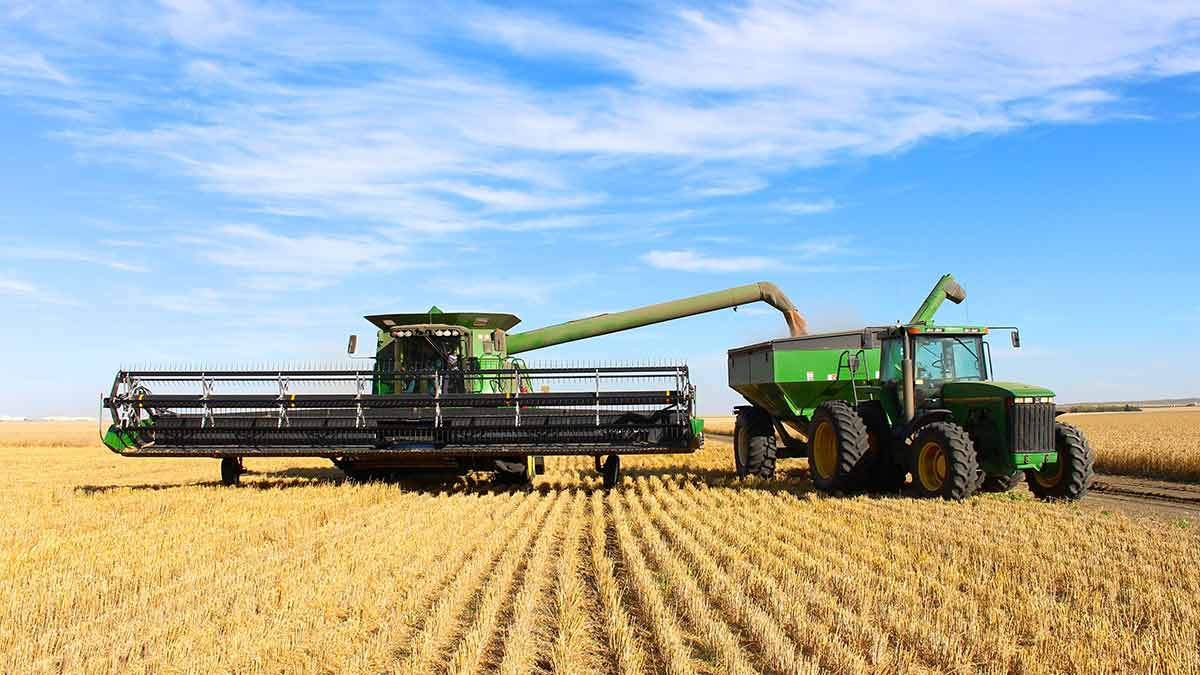
Combines cut standing crops or pick up previously cut crops and separate grains from straw and chaff. The separated grain moves into an onboard tank, while straw and chaff are returned to the field. A combine helps farmers harvest a crop in a short period of time, reducing waste and supporting a reliable supply of grains and oilseeds used in foods such as bread, pasta, cereal and cooking oils.
What are Combines?
A combine, short for combine harvester, brings several harvest jobs into one machine. This is why it was first called a ‘combine’ because it “combines” several tasks in one piece of equipment. It cuts the crop or picks up previously cut crop, threshes it to separate the grains or seeds from the plant, separates the grain from straw and chaff, and cleans the grain before storing it temporarily in an onboard tank.
At the front of the combine is a header that gathers and cuts the crop. There are several different types of headers that farmers can use depending on the crop they are harvesting. Inside the combine, threshing and separating components remove seeds or kernels from the crop material. A cleaning system uses sieves and air to remove lighter material, leaving grain that is transferred to a grain cart or truck, then stored or delivered for processing.
You will see combines across the Prairies and other Canadian grain-growing regions from late summer through fall, harvesting canola, wheat, corn, barley, oats, pulses and other crops. Harvest windows can be limited by rain, snow, frost, wind and crop condition, making combines an important tool to harvest crops at peak quality.
Food Quality and Safety
Do combines make grain “safer” to eat?
Combines do not replace food-safety standards, grain grading or processing controls. They do affect the quality of grain at the start of its journey off the farm.
A properly adjusted combine can help separate grain from straw and chaff while limiting cracked grain, foreign material and grain left behind in the field. Once harvested, grain continues through storage, handling, grading, cleaning, and processing systems.
Can poor combine settings affect grain quality?
Yes. Combine settings need to match the crop, crop moisture, field conditions, and the speed of the machine. If settings are not balanced correctly, grains can be damaged or carried out the back of the combine along with straw and chaff, leaving usable crop in the field.
Farmers assess the grain sample in the tank of the combine and check behind the machine. If grain losses rise or change, farmers can adjust ground speed or several other settings within the combine.
In newer combines, technology has taken the guesswork out of trying to set combines to minimize grain losses and optimize efficiency. Based on numerous different sensors throughout a combine, this new harvesting artificial intelligence automatically adjusts things like threshing or driving speeds or how the straw and chaff are separated from the seeds to maximize a farmer’s time.
Do combines replace grading or inspection?
No. Combines are often the first step in harvest, not the last step in quality control. Grain buyers and processors still assess factors like moisture, grade, foreign material, and other grain quality characteristics.
For example, the Canadian Grain Commission classifies canola as “tough” at 10.1–12.5% moisture and “damp” above 12.5%, which helps guide grain handling and storage decisions.
Efficiency and Affordability
How do combines make harvest more efficient?
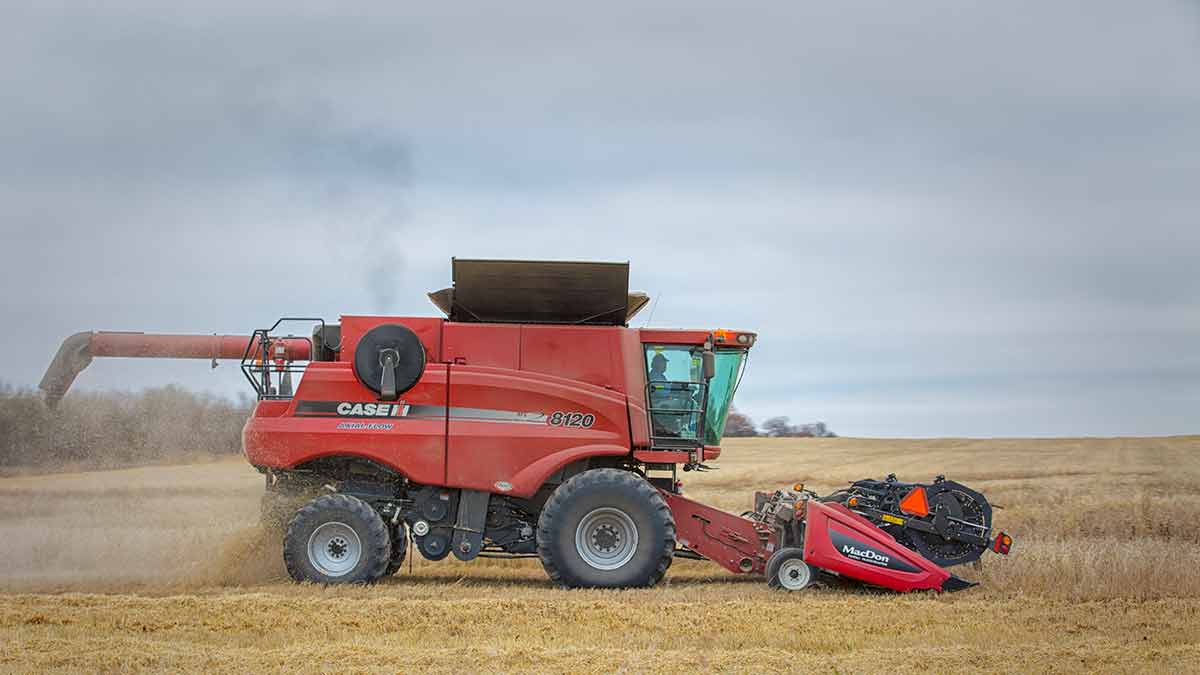
Combines cut, thresh and clean crops in one continuous operation. This allows farmers to cover large areas when weather and crop conditions are suitable.
Combines include in-cab displays, yield monitors, GPS, and tools that help farmers track the performance of each field.
What do combines have to do with grain-based food prices?
Grain lost out the back of a combine represents seed, fuel, fertilizer, land and labour that have already been invested but cannot be marketed. Being able to reduce grain loss by adjusting combine settings means more of the crop grown can move into food, feed and other supply chains.
This does not directly set grocery prices. Processing, transport, energy costs, global markets, retail operations, and many other factors affect what shoppers pay. But efficient harvesting helps reduce waste and supports a more resilient supply of Canadian grains and oilseeds.
Is “zero loss” realistic?
No. Some grain loss is unavoidable during mechanical harvest. Attempting to harvest every last grain would slow down the combine enough to expose more crops to weather, shattering (when mature seed pods split open and release the seeds) or other risks.
A farmer makes strategic choices to harvest efficiently enough to protect the crop from changing conditions while monitoring losses closely and keeping them within reasonable targets.
Learn More About What Affects Food Prices



Sustainability and Soil Stewardship
Can better combine adjustment reduce waste?
Yes. Combine adjustment, speed management, and routine loss checks can reduce the amount of grain left behind.
Harvesting more of the crop means more of the food, feed or oilseed grown from a field is available for use. It also makes better use of the land, seed, fertilizer, fuel and labour invested during the growing season.
What happens to straw and chaff?
Many combines chop and spread straw and chaff across the field (this is called crop residue) after the grain is separated. Crop residue can help protect the soil surface, contribute organic material, and support moisture conservation as part of sustainable soil management.
Farmers make residue management decisions based on their crop rotation, equipment, soil conditions and next-season seeding plans. On some farms, straw may be baled for livestock bedding or managed differently. The key goal of farmers is to support healthy soil by leaving the field in a condition that supports future crops.
Farmer Safety and Well-being
How does combine work affect farmers?
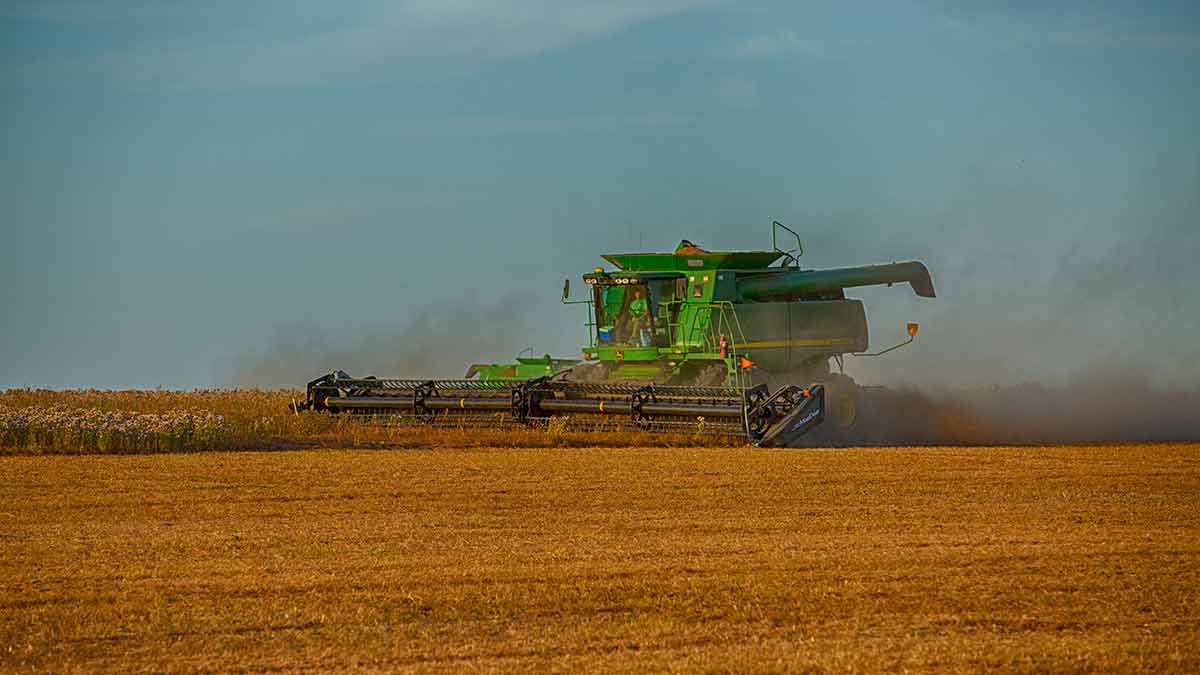
Harvest is one of the most demanding periods of the farming year. It involves long days, changing weather, machinery coordination and pressure to bring crops in before weather and crop conditions change.
Combines can improve visibility, comfort and access to real-time machine and harvest information. While modern farming technology provides a level of comfort to the farmer, it does not remove the need to manage fatigue.
What are the main safety concerns with combines?
Combines have moving belts, augers, headers, chains and other components. Dust, dry crop residue and hot machinery components can also create a fire risk, so farmers carry fire extinguishers and clean dust and crop debris from around heat sources.
Safe operation includes keeping guards in place, turning off power before clearing blockages or making adjustments, and never climbing into a hopper or working around augers while they are operating.
Farmers also watch for overhead power lines and ensure lights and reflectors are working before operating machinery in fields or moving equipment on roads.
Why does this matter to shoppers?
A reliable food supply depends on people who can do demanding work safely. When combines are maintained and operated carefully, farmers can harvest crops efficiently, maintain grain quality, and return home safely at the end of a very long day.
Common Questions Canadians Ask About Combines
Do large combines mean only “factory farms” are harvesting?
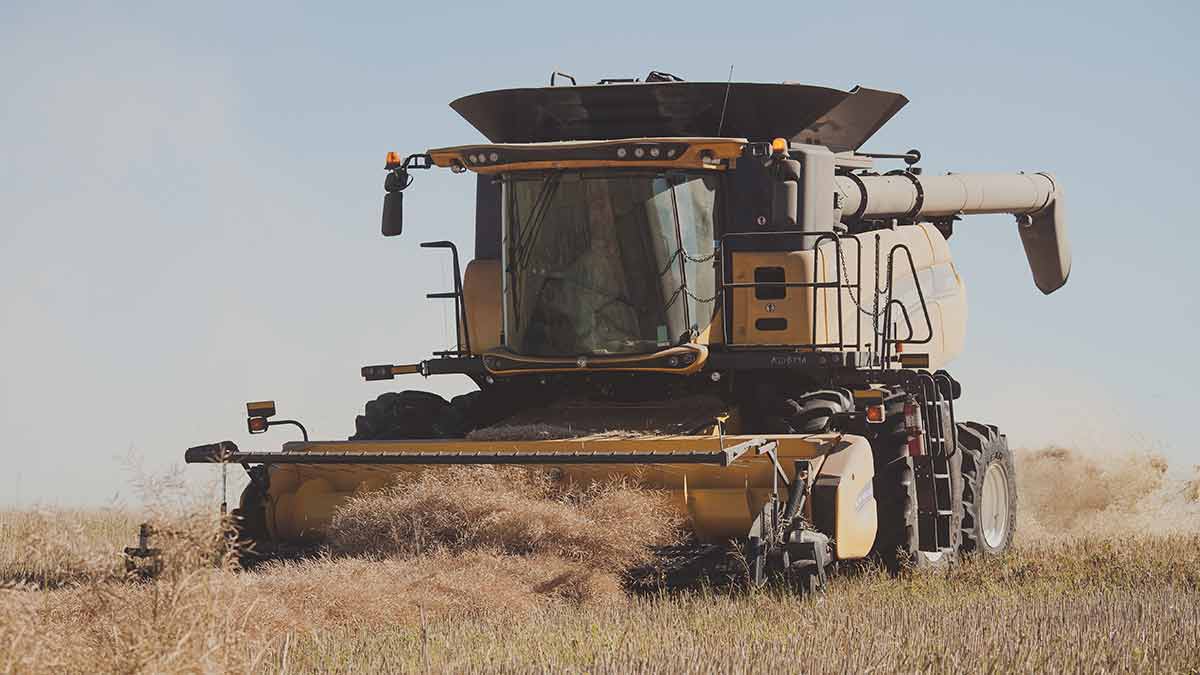
No. Combines are used on farms of many sizes. Larger machines may help a farm complete harvest during a short harvest season, but equipment size does not determine who owns or operates the farm. Many Canadian family farms use modern combines because timing is critical during harvest.
Why do combines sometimes harvest at night?
Harvest windows are affected by weather, crop maturity and available daylight. During suitable conditions, farmers may continue harvesting crops late into the evening to bring the crop in before rain, frost or extended wet weather sets in. Modern lighting improves visibility in the field, but GPS technology helps farmers harvest efficiently at night.
Why do I sometimes see grain left in a field after harvest?
Some grain loss is inevitable with mechanical harvesting, and birds and wildlife will quickly find grains that remain. Farmers check losses behind the combine and adjust speed or settings if they see more grain than expected. What looks like leftover grain may also be volunteer plants, crop residue, headlands or field edges managed differently for equipment access or field stewardship.
What Canadian Farmers and Experts Say
Combine optimization is not just about moving faster. It is about balancing productivity, grain-sample quality and loss. Tools like drop pans, loss calculators and combine-optimization resources help farmers measure what is happening behind the machine and make evidence-informed adjustments.

Clinton Monchuk
Canadian Grain Farmer from SaskatchewanWhat Shoppers Should Take Away
- Combines are important harvest machines that cut crops, separate grain from plant material and prepare grain for storage or delivery.
- Farmers monitor combines during harvest to balance speed, grain quality and losses.
- Harvesting grain efficiently from each field helps reduce waste and makes better use of the land, fuel and inputs invested in growing the crop.
- Safe combine operation, maintenance and fatigue management help protect farmers during one of the busiest times of year.
If you have questions about how other farm equipment works, read more articles in our farm equipment series. Understanding what happens on Canadian farms is one of the best ways to feel confident about the food you buy.
Farm Equipment Series





 Canadian Seafood 101: How to Buy, Cook, and Enjoy at Home