
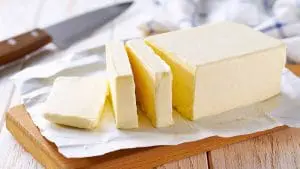
Butter is a simple, Canadian-made staple that can add richness, flavour and tenderness to the dishes you cook. Understanding how butter is made, the types of butter available and how to store butter can help you choose and use it with confidence.
How Canadian butter is made
Butter starts with cream that has been separated from pasteurized cow milk. Essentially, the cream is poured into a churning cylinder and beaten vigorously until it thickens and splits into two parts: liquid buttermilk and solid butterfat.
The buttermilk is drained off (and may be packaged as buttermilk), and the butter solids are blended together until smooth and spreadable. At this stage, salt may be added or not, depending on the style, and the finished butter is then weighed, cut, wrapped and chilled before heading to Canadian grocery shelves. In Canada, packaged butter must contain at least 80% milk fat, which gives it its firm texture and rich mouthfeel.
Is ghee butter?
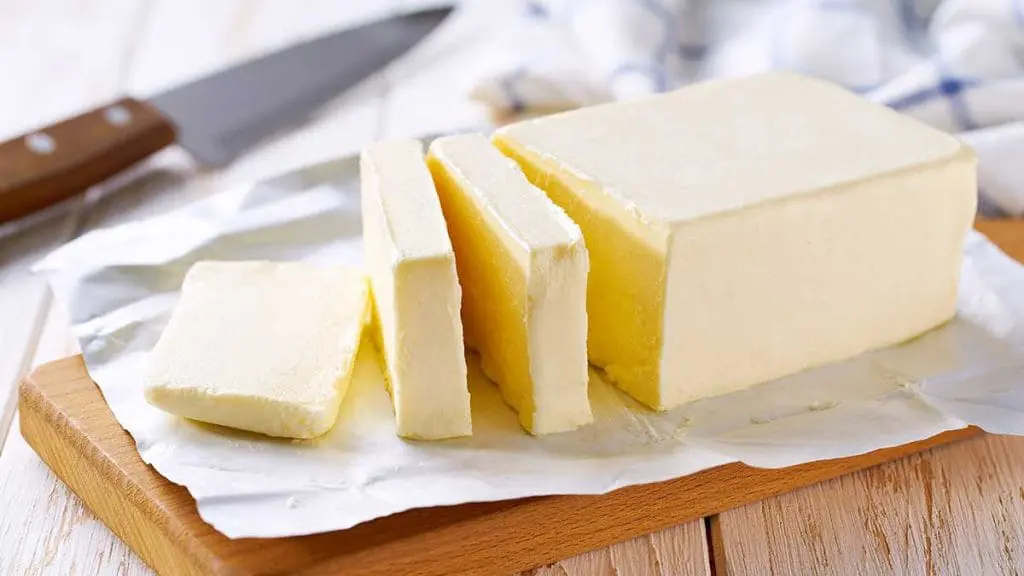
Ghee is a type of clarified butter: butter that has been melted so the water evaporates and the milk solids (proteins and sugars) separate out and are removed, leaving almost pure butterfat. In traditional ghee, the butter is simmered long enough that the milk solids turn golden to brown before they are strained away, which gives ghee its distinctive nutty aroma and deeper flavour. Ghee is traditionally used in Indian cooking and makes an excellent cooking oil because it has a higher smoke point than standard butter. Ghee has a nutty taste, so it adds flavour to vegetables, grains and sauces.
Types of butter in Canada
Canadian butter comes in several styles, each with its own best uses in the kitchen.
Salted butter
- What it is: Traditional “churned butter,” made by churning pasteurized cream and then adding salt.
- Kitchen uses: Great as an everyday table spread, for melting over vegetables, finishing steaks, or adding to mashed potatoes and simple sauces when you are not worried about precise salt levels.
Unsalted butter
- What it is: Made the same way as salted butter, but without added salt.
- Kitchen uses: Often preferred for baking because it lets you control the exact amount of salt in cookies, cakes and pastries. It also works well in delicate sauces where you want pure butter flavour.
- Use unsalted butter to make browned butter. Using salted butter will cause foaming and concentration of milk solids, causing a very salty taste which hinders the development of a nutty flavour.
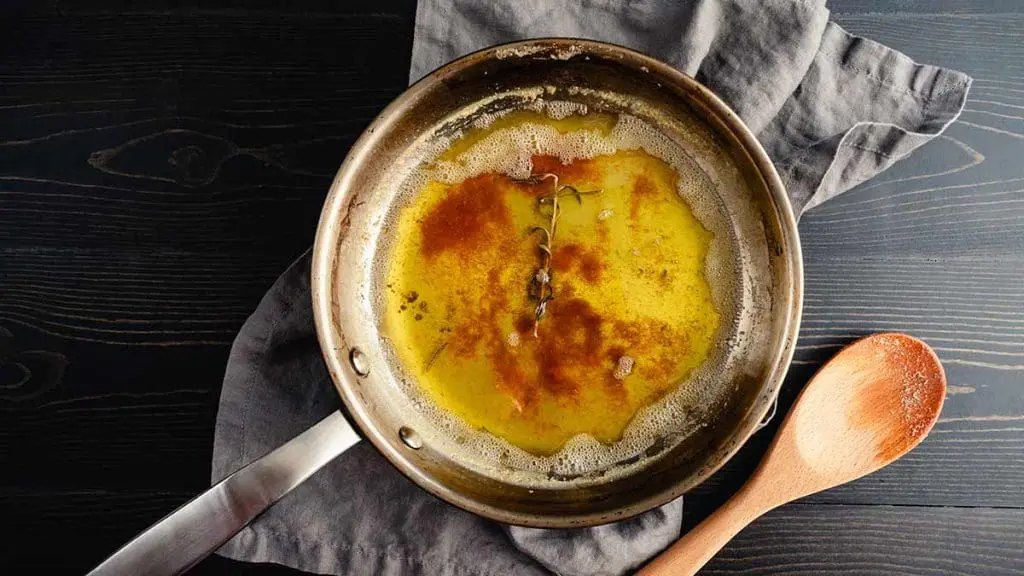
What is browned butter?
Browned butter is unsalted butter that has been cooked slowly on low heat, which caramelizes the milk solids and makes for a nutty and sweet flavour. You can use browned butter anywhere that you would use butter.
Light butter
- What it is: Butter that has had air and water incorporated, so it typically has about 25% less butterfat than regular butter.
- Kitchen uses: Best used as a spread on bread or toast rather than for frying or baking, because the lower fat and higher water content can change how recipes turn out.
Cultured butter
- What it is: Butter made from cream that has been “cultured” with active bacteria, similar to yogurt, which develops a more complex, gently tangy flavour.
- Kitchen uses: Lovely for spreading on fresh bread, topping steamed vegetables, or whisking into pan sauces and mashed potatoes when you want a slightly tangy taste.
Organic butter
- What it is: Butter made from milk of cows that are fed organically-grown feed and given more grazing time on pasture, and it carries an organic certification logo on the package.
- Kitchen uses: Can be used just like regular butter in cooking, baking and spreading; many people choose it to align with their food values.
Grass-fed butter
- What it is: In Canada, grass-fed butter generally comes from cows whose diets are made up of at least three-quarters grass or forage. National standards for grass-fed dairy were developed to offer clarity about what is included in these cows’ diets.
- Kitchen uses: Often chosen for its rich flavour and connection to pasture-based farming. It can be used in all the same ways as regular butter, from baking to sautéing and spreading.
Using butter in recipes
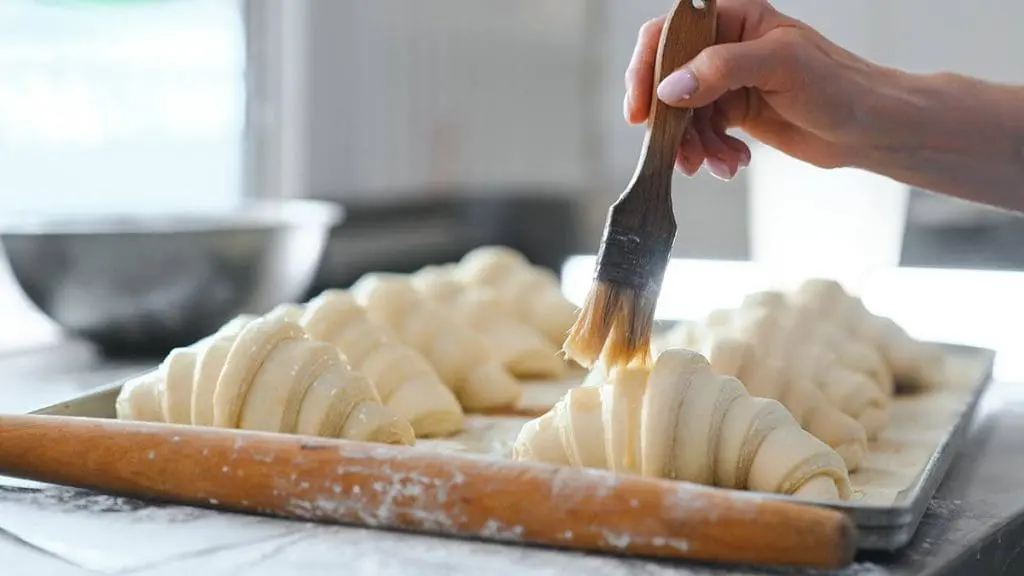
Butter brings several useful qualities to recipes beyond just flavour. The milk fat creates tenderness in baked goods, helps laminated doughs like croissants and puff pastry become flaky, and carries fat-soluble flavours such as herbs and spices.
For baking:
- Unsalted butter is usually recommended so you can follow recipe salt measurements accurately.
- Cultured or grass-fed butter can add extra flavour to simple baking like shortbread or scones, as long as you enjoy a slightly richer or tangier taste.
For cooking and finishing:
Salted butter is handy for everyday cooking such as melting over vegetables, as a finishing touch for grains dishes like rice or barley, or enriching pan sauces because it seasons as it melts.
Butter melting tip: To avoid scorching, butter should be melted over medium–low heat and removed from the heat when it is about three-quarters melted, then stirred until fully liquid. This gentle approach helps prevent the milk solids from burning.

For flavoured butter:
Softened butter can be blended with herbs, spices, citrus zest, garlic, or a touch of maple syrup or honey to make simple compound butters.
These flavoured butters are wonderful on grilled meats, fish, steamed vegetables or warm bread, and they are an easy way to add variety to familiar Canadian dishes.
How to store butter
Storing butter well helps protect its fresh flavour and reduce food waste. Butter is sensitive to light, air and strong odours, so good wrapping and cool temperatures are important.
In the refrigerator:
- Keep butter in its original wrapper and store it on a refrigerator shelf, not in the warmest spots.
- Properly wrapped, butter keeps its quality in the fridge for about three weeks once opened; the wrapper and foil help prevent it from absorbing flavours from other foods.
In the freezer:
- Butter can be frozen for longer storage; wrapping it in an extra layer of foil or placing it in a freezer bag helps protect flavour.
- Unsalted butter generally keeps well in the freezer for about three months, while salted butter can maintain its quality for up to a year because the salt helps preserve it.
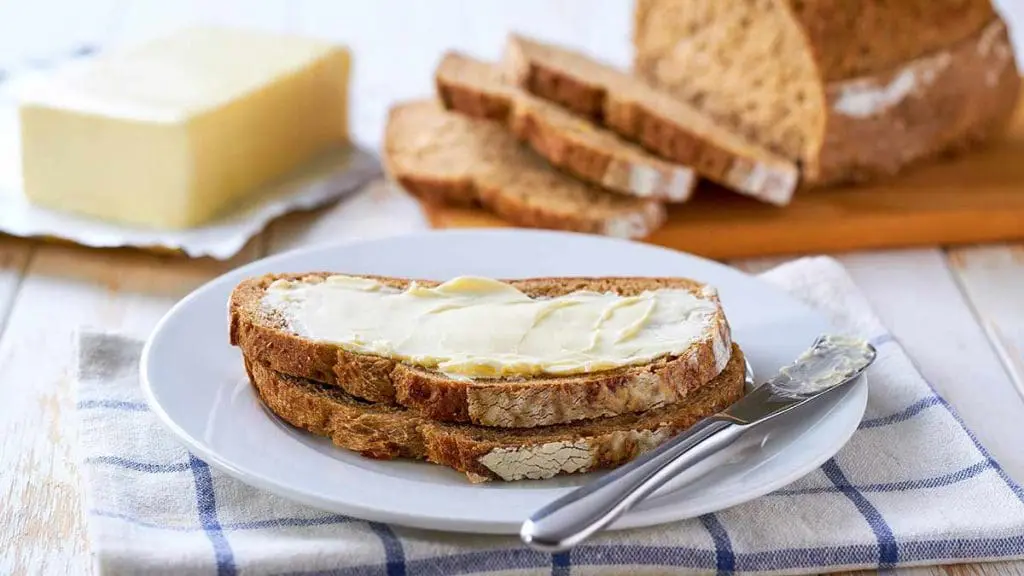
On the counter:
- For easy spreading, some Canadians like to keep a small amount of butter in a covered dish at room temperature, using it within a few days for best flavour.
- If your kitchen is quite warm, it is safer to return butter to the fridge between meals and only leave out what you will use quickly, as butter left out too long can develop off flavours.
By understanding how Canadian butter is made, choosing the type that fits your recipe, and storing it properly, you can enjoy its rich flavour while making the most of every package you bring home.
Additional Articles to Explore



 Canada’s New Vitamin D Fortification Strategy