How The Three Agriculture Revolutions Improved Quality Of Life
This is the story of agriculture – how it has evolved to feed the world and allowed the human race to thrive.

Canadian Food Focus
#loveCDNfood

This is the story of agriculture – how it has evolved to feed the world and allowed the human race to thrive.
The decision to ‘eat local’ is influenced by many factors: environmental concerns, the need for safe and healthy food, food security, food availability and much more.
Byproducts are the unsung heroes of the agricultural world, and they deserve our attention, especially for those of us with a keen interest in food and sustainability.
Health Canada reviewed the risk of neonics to pollinators; As a result of the reviews, changes were made. With these changes, the government determined neonics were safe for use in Canada.
Carbon farming is just one-way farmers are making a difference in helping protect the soil, our natural resources and the planet.
Canadian farmers and ranchers recognize that producing food more efficiently and sustainability will help meet the needs of a growing world population. As such, they will continue to look towards adopting technology and innovation to improve production practices.
Incorporating lentils into our diet can help contribute to a more sustainable food system and mitigate the environmental challenges we face.
CRSB measures the Canadian beef sector’s sustainability performance through robust science-based assessments, sets goals to improve it and identifies areas that still need work.
As the world’s population continues to grow, we will need to produce more food from less land and with fewer resources. Innovation will be critical.
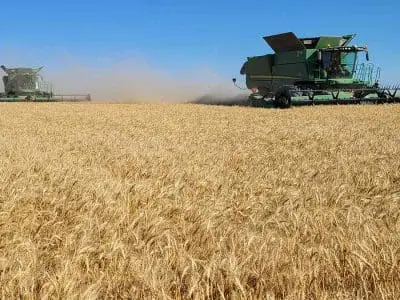
Wheat is a staple food for 35% of the world's population and it is Canada's largest field crop. Wheat is grown on nearly 50,000 farms in Canada and our country is the fifth-largest wheat producer in the world.
Cleanfarms’ goal is to keep recyclable materials that are no longer useful on the farm out of landfills and burn piles.
One of the key elements of environmental stewardship focuses on maintaining or improving the quality of soil, water, air and biodiversity of the land.
Some provinces require farmers to hold a Pesticide Applicator Licence to ensure that they understand how to properly read pesticide labels, and handle and apply pesticides.
4R Nutrient Stewardship is an internationally recognized Canadian innovation. It is a voluntary program that advocates for responsible and effective management of fertilizer by using a science-based approach to guide farmers in the proper use of plant nutrients.
New technologies and innovation are pivotal to ensuring that the farms remain sustainable now and into the future. In this podcast Andrew Campbell, aka Fresh Air Farmer, describes the new dairy barn his family built.
We spoke with Trent Richards, a farmer from Saskatchewan to learn more about how peas are grown in Canada.
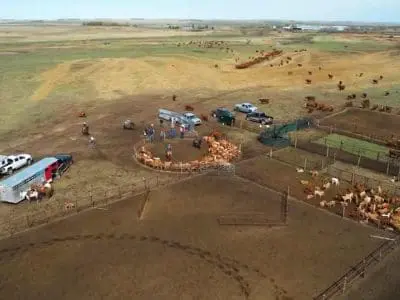
Investing in technology like new cattle genetics and alternative grazing practices have been key factors in the Colborn farm’s longevity.
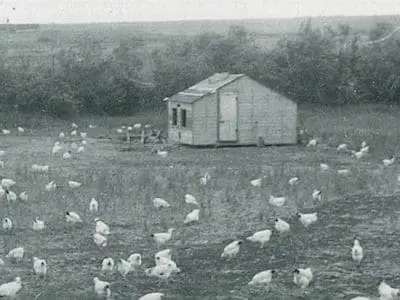
The Colborns have always made investments in new technology a key part of their farm business plan. This applies to their egg production and cattle herds, and also to their grain production operation, where there have been dramatic changes since the first Colborns started planting wheat in 1910.
Shawn Colborn is a fifth-generation poultry producer at Delisle, Saskatchewan, but he’s not likely to be the last Colborn in the egg business. For more than a century, the Colborn family has made egg production a part of their multi-generation family farm.
This podcast walks through different ways that you can make the most of your food budget in times of inflationary pressures.
"*" indicates required fields