
Rhubarb is one of the first fresh crops to arrive at Canadian grocery stores and farmers’ markets each spring and it’s a great example of how shopping seasonally can work in your favour. This guide explains when Canadian rhubarb is most available, how seasonality can affect pricing, and what practical habits help you get the most out of every bunch you buy.
When Is Rhubarb Most Available in Canada?
Understanding when rhubarb is in season is the foundation of shopping it well. There are two types of Canadian rhubarb, and they have different windows:
- Hothouse rhubarb: grown in darkened, temperature-controlled sheds and is available as early as January and runs through to June
- Field rhubarb: grown outdoors and typically arrives in May and runs through June, sometimes into July
- Peak availability across most of Canada falls in May and June, when both types overlap
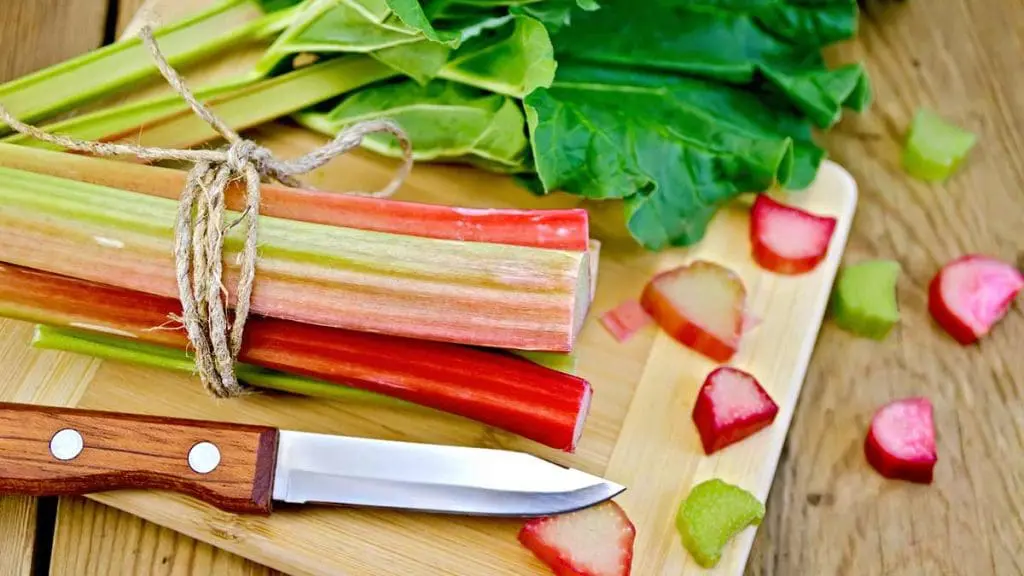
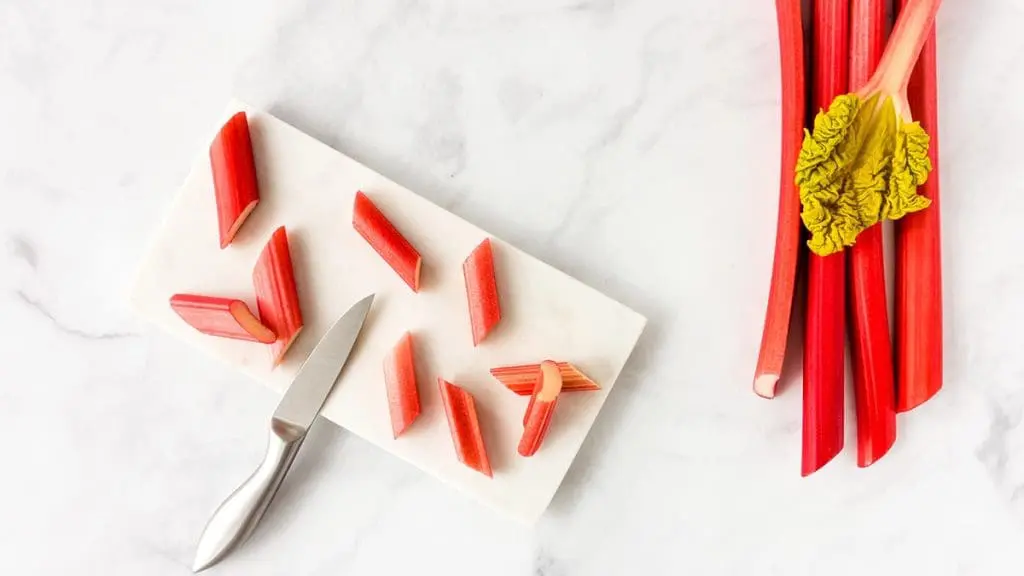
Because rhubarb isn’t stored long-term the way root vegetables or apples are, it’s a genuinely seasonal product. When you see it prominently displayed, it’s likely fresh from a Canadian farm. Timing and supply vary by province and year so it is always a good idea to check with your local store or market vendor.
Learn more about how rhubarb is grown in Canada.
Is Seasonal Rhubarb Really Cheaper?
The honest answer: it can be, but it’s not guaranteed. Here’s what actually drives rhubarb pricing:
When a crop is in peak season and supply is high, retailers are more likely to feature it in weekly promotions and flyer deals. For rhubarb, May and June are the months where you’re most likely to see it promoted. That said, actual prices still vary by:
- Store type: grocery chains, independent grocers, and farmers’ markets each price differently
- Format: loose stalks vs. pre-packaged bunches
- Region: Rhubarb grown close to you may be priced differently than a product shipped from a province further away.
- Organic vs. conventional: Organic food can sometimes be more expensive due to lower crop yields, higher production costs, and more labour-intensive farming methods compared to conventionally grown crops.
A few practical habits help you capture the best value:
- Check weekly flyers and loyalty apps in May and June for rhubarb promotions
- Compare unit prices: a larger bunch often costs less per gram than a small pre-packaged portion
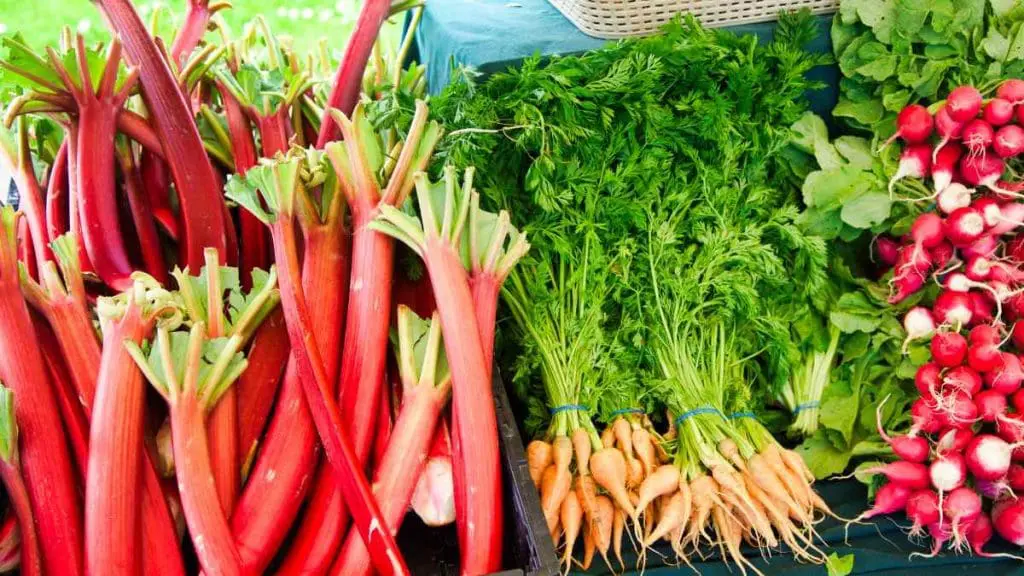
- Shop farmers’ markets in season: local growers often sell at competitive prices with fresher product
- Buy realistically: the cheapest bunch is no bargain if half of it ends up in the compost bin
How to Plan with Seasonal Rhubarb to Save Money
The real savings from seasonal produce come from planning, which involves buying with intention and using what you buy.
Plan Around What’s in Season
Rhubarb has a short window. If you want to make the most of it, a little advance planning goes a long way:
- Check the What’s in Season page before your weekly shop to see when rhubarb is arriving
- Pick one or two simple rhubarb recipes for the week before you buy to prevent impulse purchases that sit unused
- If you find a great deal on a large quantity, freeze the surplus (see How to Store Rhubarb)





Use Rhubarb Across Multiple Meals
One good-sized bunch of rhubarb can stretch across several uses:
- Stew a batch of rhubarb compote on Sunday — use it on yogurt, oatmeal, and pancakes all week (Rhubarb Sauce, Smoothies and Shakes).
- Fold chopped rhubarb into muffins or a quick loaf to use up the last of a bunch. Try this Rhubarb Apple Loaf with Brown Sugar-Cinnamon Topping.
- A simple rhubarb crisp makes a budget-friendly dessert with pantry staples such as oats, flour, butter, and sugar. Add fresh or frozen strawberries, blueberries or blackberries for more dimension, like this Strawberry Rhubarb Crisp.
- Rhubarb cake is a one-bowl bake that uses up a significant quantity and keeps well for days.
Right-Size How Much You Buy
Buying too much is the most common reason fresh produce gets wasted. Before buying rhubarb, ask:
- How many people am I cooking for?
- Do I have a specific recipe in mind, and how much does it call for?
- Do I have freezer space if I buy extra?
A single bunch (roughly 4–6 stalks) is usually enough for one recipe. If you’re buying a larger quantity to freeze, make sure you have a plan and the time to process it within a day or two of purchase.
How Seasonal Rhubarb Helps Reduce Food Waste
Food waste is one of the most direct ways money slips out of the grocery budget. Rhubarb is particularly prone to being forgotten because it’s bought with good intentions in spring, then gets pushed to the back of the crisper drawer.
A few simple habits make a real difference:
Store it properly from the start
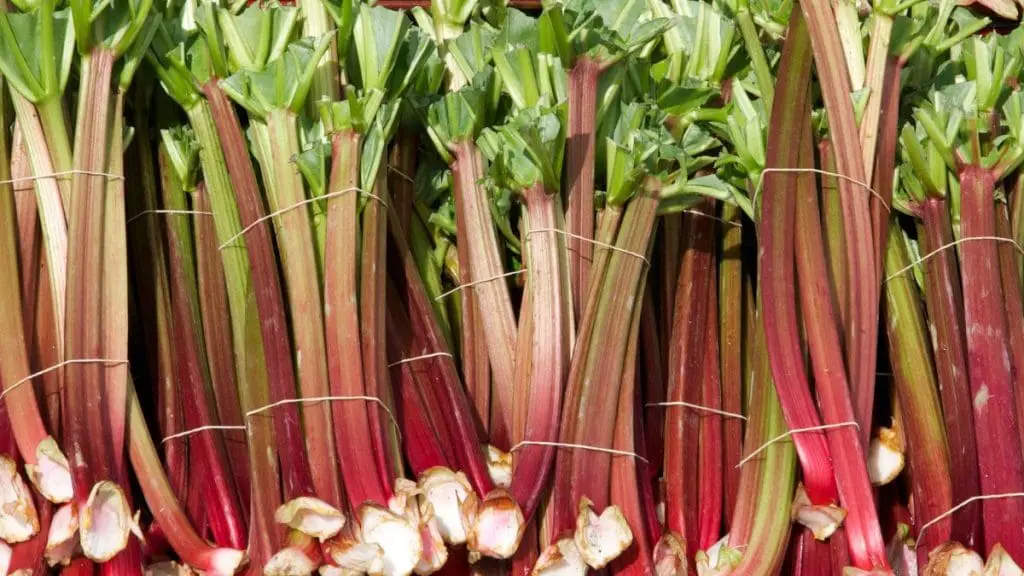
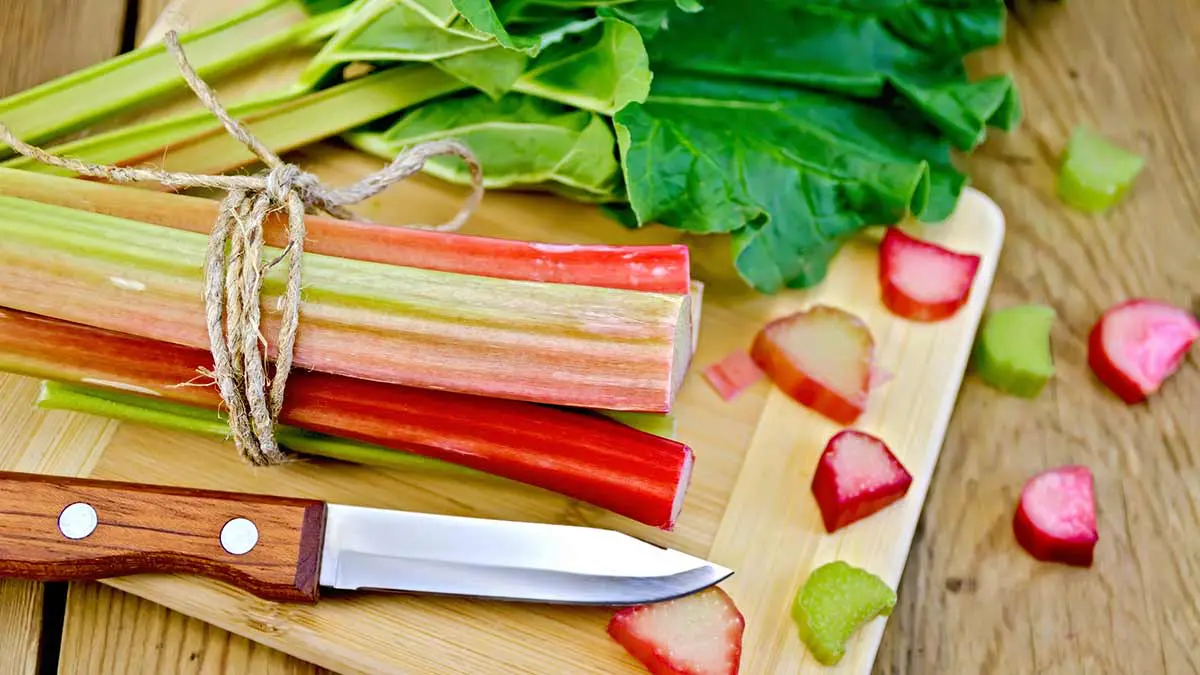
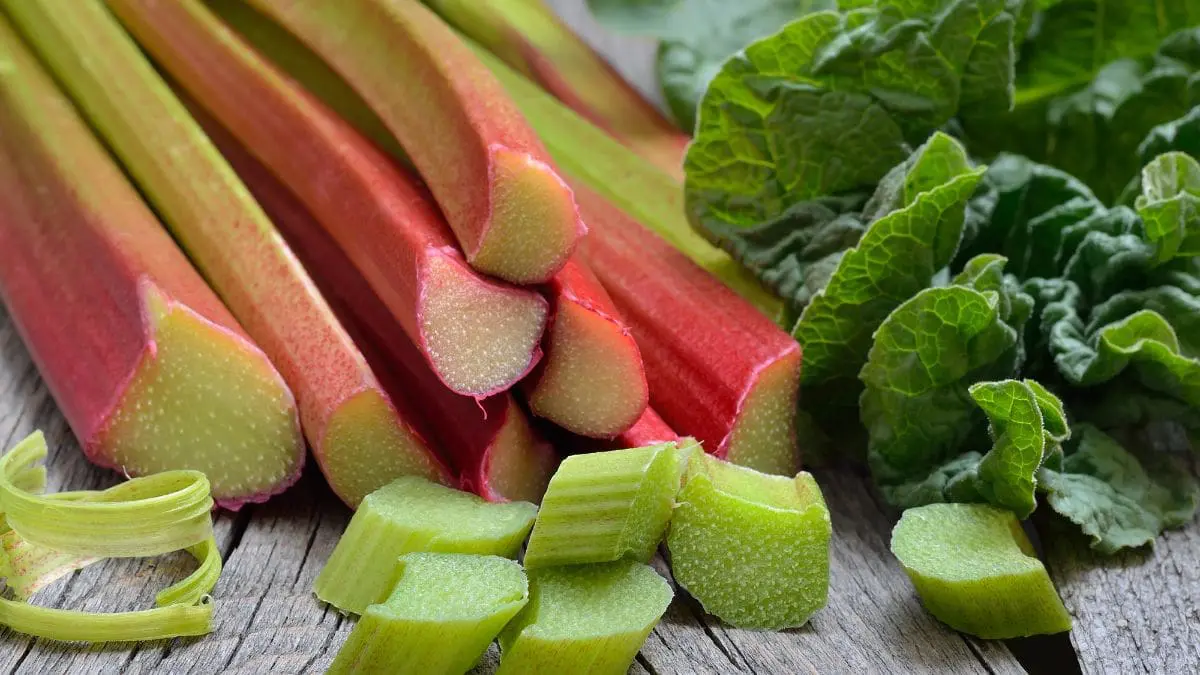
- Remove leaves immediately (they’re inedible) and store stalks unwashed in the fridge crisper
- Rhubarb keeps for up to 7 days refrigerated
- Do not cut until you’re ready to use because the cut stalks dry out faster
Freeze surplus before it goes soft
Rhubarb freezes exceptionally well and can be stored for up to a year. If you know you won’t use it within the week:
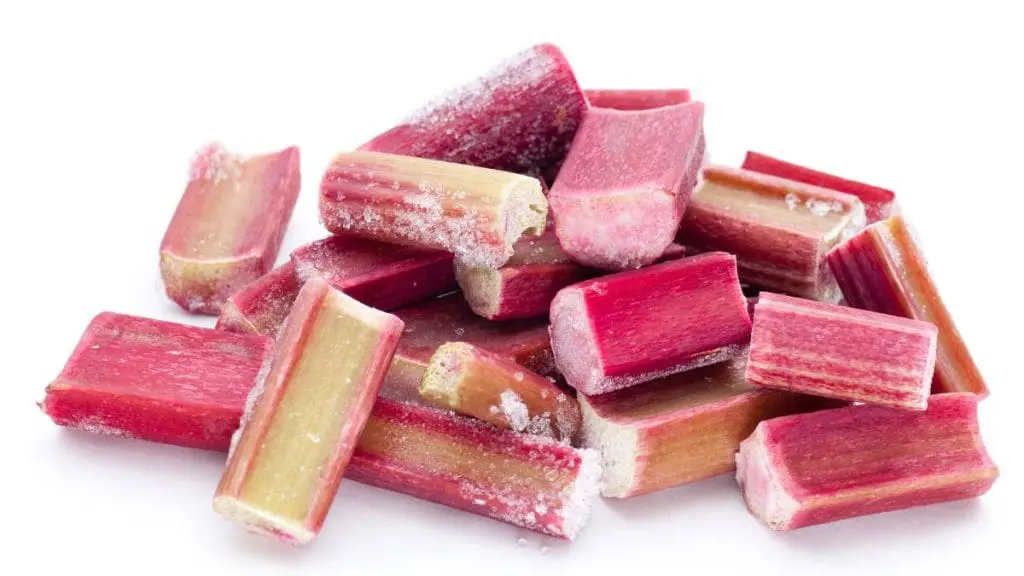
- Wash, trim, and chop into ½ inch pieces
- Freeze in a single layer on a baking sheet
- Transfer to a labelled freezer bag
- Use straight from frozen in baking, smoothies, and sauces
Use softer stalks first in cooked dishes
Rhubarb that’s past its peak crispness for eating is still perfectly good for cooking. Soft stalks break down beautifully in:
- Jam or preserves
- Baked bread pudding
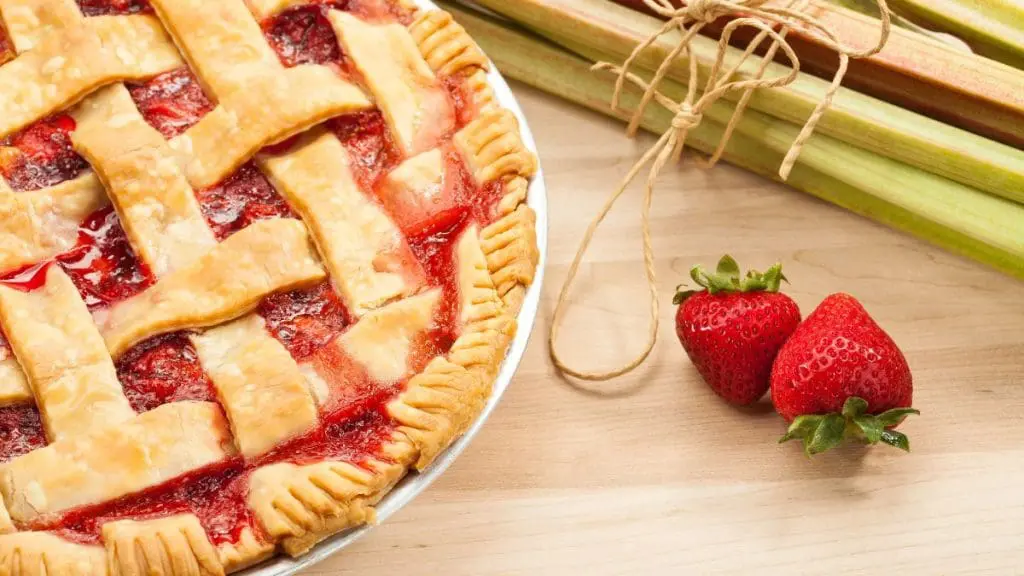
- Pies and crumble tops (Rhubarb Crumble Pie — Spend With Pennies)
- Savoury chutneys (rhubarb’s acidity makes it a great fruit-forward condiment — see (Sweet and Savoury Rhubarb Recipe Ideas — Food Bloggers of Canada)
Go beyond the obvious
If you’re looking to move past pies and crisps, Food Bloggers of Canada has a helpful round-up of ideas: Rhubarb Recipes That Aren’t Crumbles or Crisps and 15 Fresh Rhubarb Recipes to Try This Spring.
Quick Budget Checklist for Buying Rhubarb
Use this at the store or before your weekly shop:
Check if rhubarb is being promoted this week in flyers or loyalty apps
Compare unit prices between bundle sizes and formats
Have at least one recipe in mind before you buy
Buy only what you’ll realistically use within 5–7 days — or have a plan to freeze
Store stalks unwashed in the fridge crisper as soon as you get home
Plan a second use for any leftover stalks (compote, muffins, or freeze)
Check the crisper drawer mid-week and move any softening stalks to a cooked recipe
FAQs
Does buying rhubarb in season actually save money?
It can. Peak availability in May and June tends to bring more promotions and competitive pricing, but actual savings depend on your store, region, and format. The bigger budget benefit often comes from reducing waste by buying with a plan and using what you buy.
How long does fresh rhubarb last?
Up to 7 days in the fridge crisper, stored whole and unwashed. Cut stalks dry out faster, so wait until you’re ready to cook.
Can I freeze rhubarb straight from the store?
Yes. It’s one of the easiest vegetables to freeze. Chop, spread on a tray to freeze solid, then bag and label. It keeps well for up to a year and goes directly into recipes from frozen.
Where can I find Canadian rhubarb?
Look for “Product of Canada” labelling at your grocery store, or ask at your local farmers’ market in May and June. BC, Ontario, and Nova Scotia are the primary Canadian producing provinces.
Check Out These Related Articles




 How to Store Rhubarb