From far and wide across Canada, one simple bread evokes a range of experiences from resilience to reconciliation that spans generations.
Bannock may seem like an uncomplicated food, but its history is ingrained with complexities that shaped Indigenous peoples in Canada. Today, bannock brings people together from all backgrounds. But it wasn’t always that way.
Before contact, Indigenous peoples of North America did make bread-like products from camas bulbs, corn and certain roots. The Inuit called it ‘palauga;’ the Cree called it ‘pahkwêsikan;’ and later the Métis would call it ‘la galette.’ Many Indigenous Nations had some version of bread or loaves as part of their own rich food systems prior to the impact of colonization.
Bannock by necessity
During colonization, those rich food systems were drastically halted by legislation. First Nations people were forced to live on small areas of reserved land. Laws like the Pass System made it nearly impossible to leave the reserve for hunting and harvesting food or medicine.
In place of their traditional staples of wild game and plants, First Nations were given food rations instead. Sadly, intentional starvation policies were applied to First Nations in the late 1800s.
When First Nations people did receive rations, they were often rotten and had only wheat flour, salt and fat to ease a community’s hunger. The First Nations people were not familiar with these types of food items and did not know how to work with the ingredients to create edible sustenance. Some tell stories of Scottish settlers sharing and adapting their own traditional bannock recipes to match the food rations being dispersed and aid the Indigenous in utilizing the rations. The simple recipe of bannock allowed them to create something they could eat.
Generations to reclaim
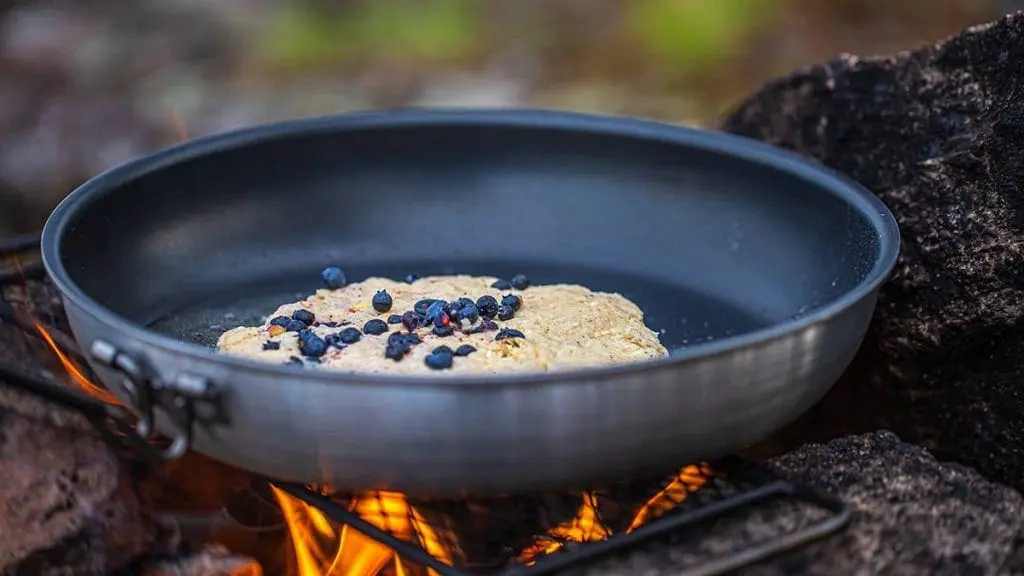
Because of that history, bannock can be seen as a symbol of perseverance and adaptability – not by choice but by survival. As years and decades passed, Indigenous people continued to make bannock and modify it in the ways they cooked it and the ingredients they used. Adding berries, sugars and even salmon roe showcased its versatility.
In today’s climate of truth and reconciliation, as Indigenous people in Canada are reclaiming their identity, families are still sharing bannock at the dinner table. Recipes have been tweaked, passed down and perfected. It’s a matter of pride to know that your mom’s or your kohkom’s bannock is the best. And it’s an honour to step in to represent the next generation to share its warmth with your family.
Bannock is a pillar of Indigenous cuisine in homes, powwows and restaurants. Indigenous chefs like Rachel Eyahpaise and Paul Natrall and others have made it the star of the menus in their restaurants, turning tradition into delicious innovation. Bannock burgers, tacos, pizza, doughnuts, eggs benedict and more are being featured in dishes across Canada.
Now a Canadian food staple
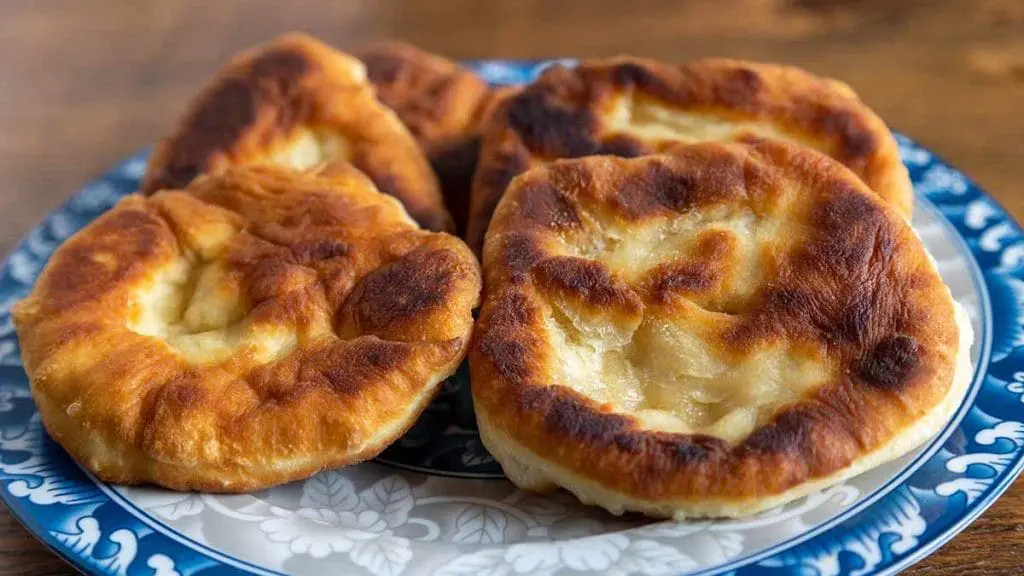
Bannock has gone mainstream. Baked, fried or cooked over campfire, its flexibility welcomes both savoury and sweet toppings. Canadians of all backgrounds have grown to love bannock in its many forms. There are even examples of new Canadians taking a class to learn about bannock and how to make it. In this way, bannock bridges more than generations; it bridges cultures because good food brings people together.
Bannock’s early days with Canada’s Indigenous Peoples were about survival and necessity, formed from hardship and struggle. But now, this once-simple bread has been redefined by Indigenous people, chefs and families, and has become a symbol of resilience and pride. It has become part of Indigenous culture and ceremony. The almighty Bannock is a symbol of Canadian food and will be for generations to come.
Hungry for more? Check out these Classic Canadian Dishes:
- In a Jam(Jam): The History of Jam Jams in Canada
- Meat Pie Magic: The History of Tourtière
- Delicious Squared: History of Date Squares
- The History of the Iconic Jiggs Dinner
- The History of Pea Soup in Canada
- The History of Baked Beans in Canada
- Classic Canadian Dishes: Pouding Chômeur
- Classic Canadian Dishes: The Lobster Roll
- Classic Canadian Dishes: Saskatoon Pie
- Classic Canadian Dishes: Cod au Gratin


 The Traditions Of A Turkey Feast