
If you have ever heard about pesticides, a group of crop protection products that includes herbicides, fungicides and insecticides, and wondered how farmers can use them effectively, the answer includes both strict Canadian rules and the equipment farmers rely on to apply products carefully.
On many Canadian grain, oilseed and pulse farms, field sprayers are used to apply crop protection products at specific rates, often with GPS and other technology to avoid overlap and off‑target application. These tools help protect crops from weeds, insects, and diseases while using only the amount of product needed, in ways designed to protect people and the environment. Sprayers are a key chapter in the story of how crops stay healthy through the growing season and they are an example of how regulations and on‑farm technology work together in real fields.
In this article, we look at what field sprayers are, how they work on Canadian farms in spring, and how they connect to food safety, efficiency, sustainability and farmer well‑being.
What are field sprayers on Canadian farms?
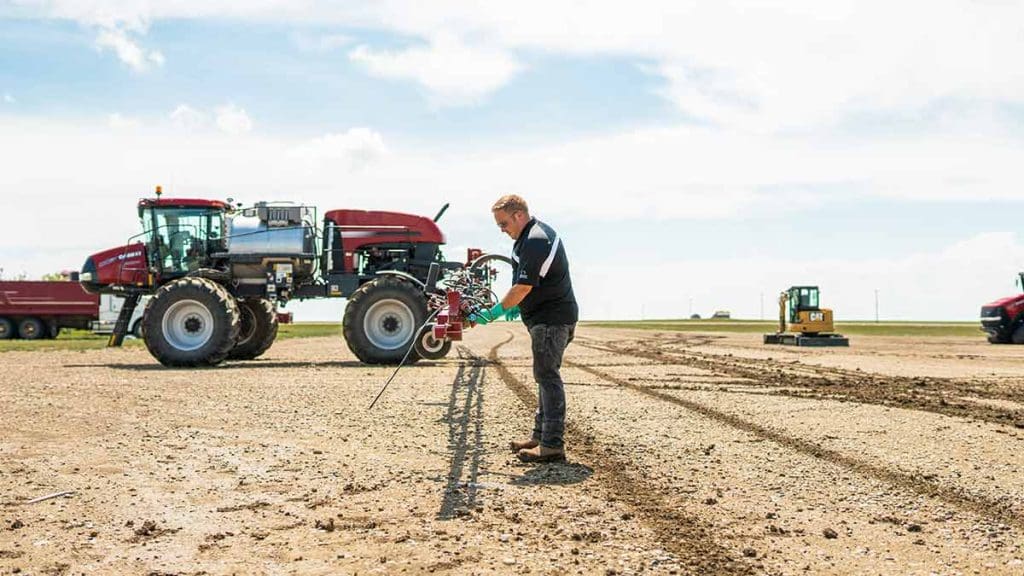
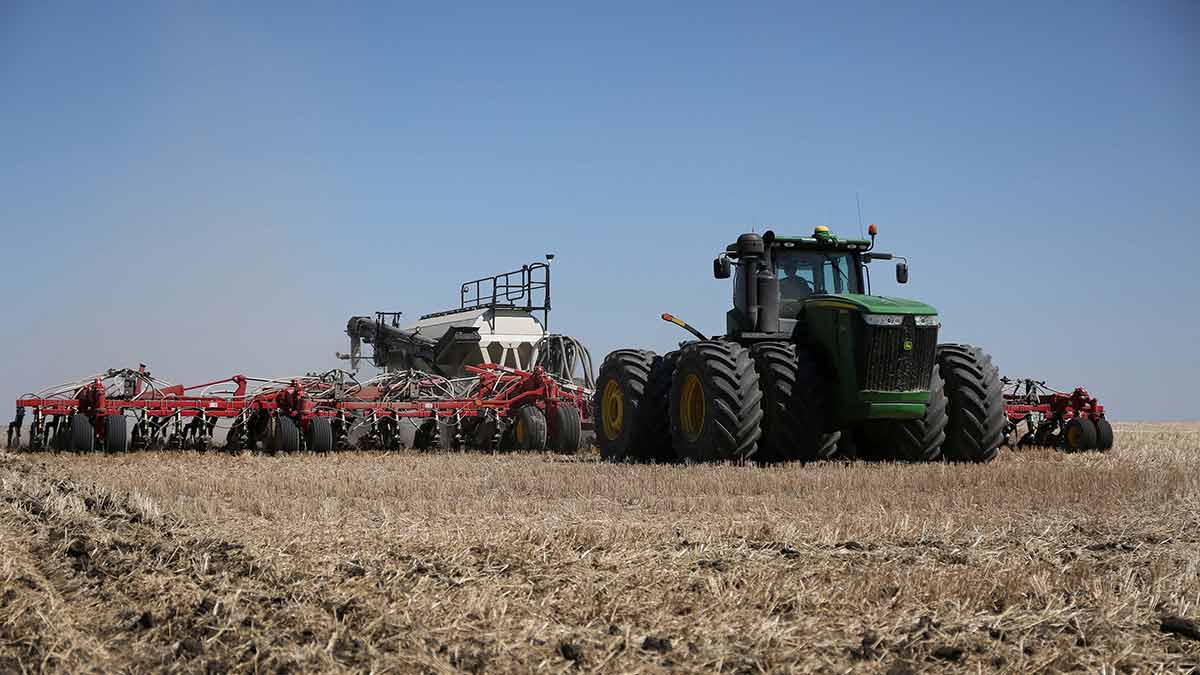
Field sprayers are machines that apply liquid products such as herbicides, fungicides or insecticides across crop fields through a boom fitted with many spray nozzles. They can be self‑propelled or pulled behind a tractor, and are designed to deliver a specific spray rate per acre, with controls for pressure, speed and nozzle type.
You will see this equipment on farms growing corn, soybeans, canola, wheat, barley, oats, pulses and other crops across Canada, particularly in late spring and summer when weeds and diseases are most active. Many sprayers now use GPS guidance and sectional or individual nozzle control to reduce overlap, as well as options like low‑drift nozzles and boom height control to keep spray where it is intended.
Sprayers give farmers a tool to protect crop health and yield when needed, while following label directions and environmental protection measures set by regulators.
How does a sprayer affect food safety?
Do sprayers make my food more or less safe?
Sprayers are a key tool that farmers use for applying registered products at the right rate and in the right place, according to Canadian label directions. Health Canada’s Pest Management Regulatory Agency (PMRA), recently renamed Pesticides Regulatory Directorate, only registers pesticides when scientific evidence shows they can be used without harming health or the environment when the label is followed. Using a properly calibrated sprayer helps farmers follow those labels which support consistent, safe use in the field.
Does the sprayer replace inspections or safety rules?
No. Sprayers are tools that help farmers apply products in line with regulations, but farmers must still use only registered products, follow label instructions, maintain records, and meet any buffer zones or drift reduction requirements in their area. Food that reaches the marketplace must still meet federal and provincial safety standards, including maximum residue limits where applicable.
How do farmers avoid spraying the wrong areas?
Farmers use a mix of training, mapping and technology to avoid off‑target application, including carefully planned spray paths, GPS guidance and automatic nozzle or section shut‑off to prevent spraying where they have already passed or where they should not be. Many sprayers can record coverage maps that show exactly which parts of the field have been treated, which supports careful, documented use.
More information about pesticides




How do sprayers support efficiency and affordability?
How does a sprayer make farm work more efficient?
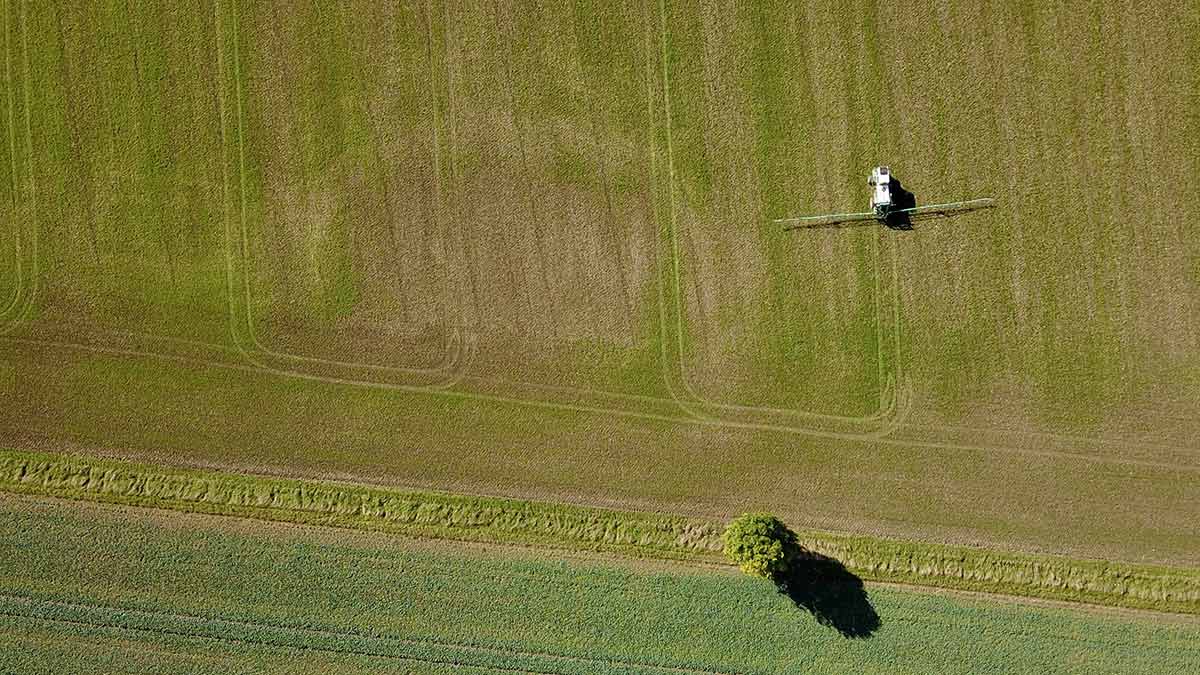
A modern sprayer can cover large fields quickly, applying crop protection products in a tight window when weeds or diseases are most vulnerable. GPS‑guided and sectional or nozzle control technologies help avoid overlapping sprayed areas, which reduces wasted product and unnecessary passes. This means farmers can do the same job with less chemical, less fuel and less time than less precise methods would require.
What does that have to do with food prices?
Pesticides and fuel are significant costs on many crop farms. When sprayers and precision technology help farmers use less product and make fewer trips, they can manage part of these costs more effectively. While many other steps beyond the farm influence grocery prices, these efficiency gains are one way farmers work to keep their side of the system productive and cost‑aware.
Is it always more efficient to spray?
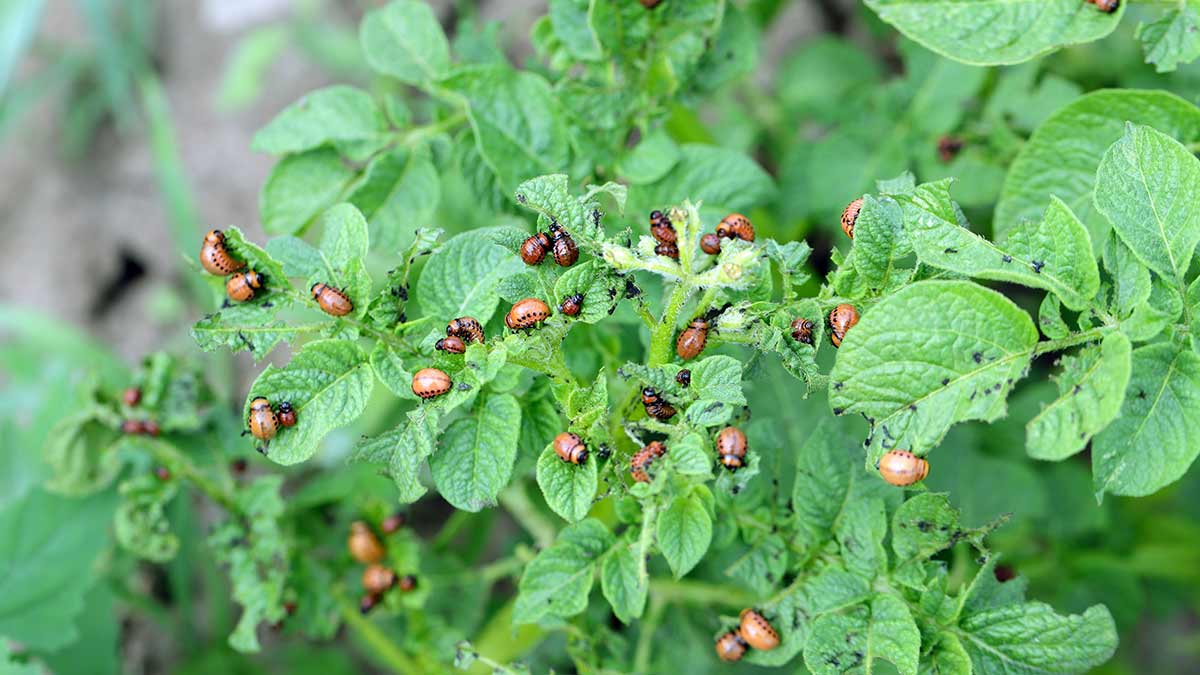
Farmers consider whether a spray is needed based on scouting, thresholds, crop development stage and weather. Sometimes they choose not to spray if pest pressure is low or if other approaches are more appropriate. Efficiency includes deciding when not to apply a product as well as how to apply it when needed.
Types of Farm Equipment



How do sprayers support sustainability and the environment?
Can sprayers actually help reduce pesticide use?
Yes, especially when paired with technologies like GPS guidance, sectional control and spot‑spraying. These tools allow farmers to treat only the areas that need it, for example, turning nozzles off where passes would overlap, or using camera‑based systems that spray only where green weeds are detected, which can significantly reduce herbicide use in some situations. Field trials with optical spot‑spraying have shown reductions in herbicide use while maintaining weed control and yields.
How do farmers reduce spray drift and protect nearby areas?
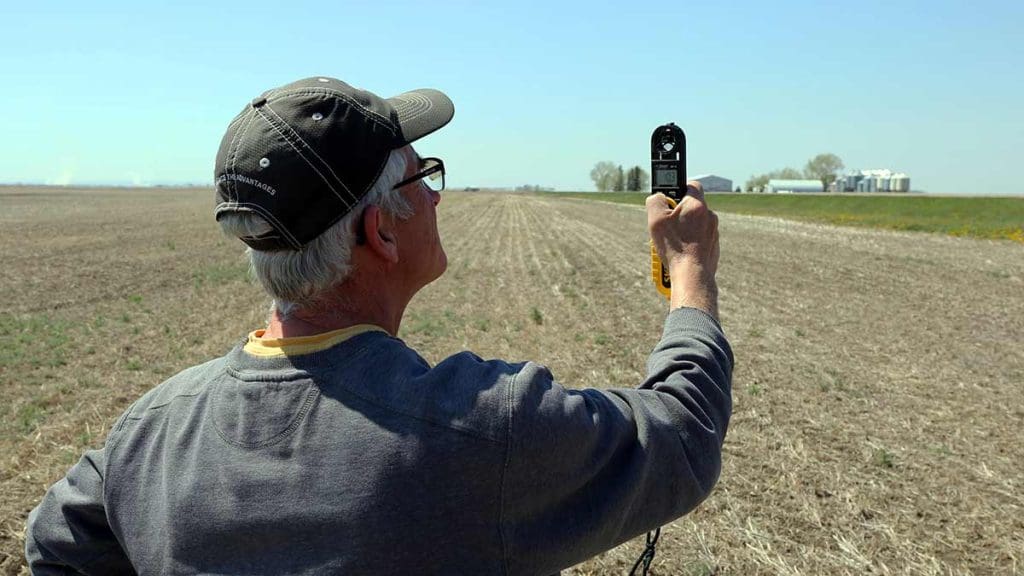
Farmers can use low‑drift nozzles, lower boom heights, appropriate pressure and speed, and shields or shrouds to keep droplets from moving off target. Health Canada and provincial guidance emphasize practices that reduce drift, and research shows that low‑drift nozzles, proper boom height and shielding can cut drift substantially. Farmers also monitor the weather conditions prior to and during spraying, if the wind is too strong, or blowing in an unfavourable direction, they will choose to post-pone the application. Together, these measures help keep sprays focused on the crop and away from neighbouring land.
Are pesticides in Canada regulated for environmental effects?
Yes. Before a pesticide is approved, Health Canada scientists review how it behaves in the environment and how it might affect non‑target organisms. Products are only registered if they can be used in ways that meet environmental protection standards, and labels include directions to reduce environmental risk, such as buffer zones, timing restrictions, and drift‑reduction measures.
What do sprayers mean for farmer health and well‑being?
How does this equipment change the day‑to‑day work for farmers?
Sprayers allow farmers to stay in an enclosed cab while applying products, which can reduce direct exposure compared with older, more manual methods, as long as equipment is maintained and used correctly. Clear cab displays, GPS guidance and boom height controls can also reduce mental and physical strain during long spraying days, helping farmers focus on monitoring conditions and safety.
Why does that matter to me as a shopper?
When farmers can work in safer, more controlled conditions and are less fatigued, they are better able to follow label directions, respond to changing weather and make careful decisions about if, when and how to spray. That supports both on‑farm safety and the careful use of products that helps protect crops and the wider environment.
Common questions Canadians ask about sprayers
Does using a sprayer mean farmers are “spraying chemicals everywhere”?
No. Sprayers are designed to apply measured amounts of registered products to specific crops and areas, and farmers use technologies and practices to avoid overlap and drift. The goal is to protect crops while using the minimum effective amount of product, in line with Canadian regulations.

It’s All About Chemicals
Explore how chemical literacy helps make informed choices, debunk myths, and understand the role of chemicals in food, agriculture, and everyday life.
Are farmers required to get training to use sprayers?
Commercial users of pesticides in Canada, including many farmers, must follow federal and provincial requirements that can include licensing, certification and training. Grower guides and safety organizations also provide education on safe handling, equipment calibration and drift‑reduction practices.
What happens if the weather changes while spraying?
Farmers monitor wind, temperature and other conditions before and during spraying, because factors like wind speed and direction can affect drift and product performance. Label instructions and guidance recommend avoiding spraying in unsuitable conditions, and many farmers will stop or adjust operations if conditions become unfavourable.
What Canadian farmers and experts say about sprayers

Emiley Saunders
Canadian Grain Farmer
Try the Pesticide Residue Calculator Tool
Use this tool to see how many servings a man, woman, teen or child could consume and still not have any adverse effects from pesticide residues.
What should I take away as a Canadian grocery shopper?
- You can feel confident that field sprayers on Canadian farms are tools for applying registered products carefully and at the right rate, not for “spraying everywhere.”
- Technologies like GPS guidance, overlap control, and spot‑spraying help farmers use only what is needed where it is needed, which reduces waste and supports efficiency on the farm side of the food system.
- Drift‑reduction practices and nozzle choices are part of how farmers focus sprays on their crops and reduce unintended impacts on neighbouring land, water and wildlife.
- By allowing farmers to work from enclosed cabs with clear controls, modern sprayers also support farmer safety and well‑being during long, time‑sensitive spray days.
If you have questions about how other farm equipment and tools work, you are not alone. Understanding what happens on Canadian farms is one of the best ways to feel confident about the food you buy.

 Jalapeño Cheese Cornbread
