

Fermented foods are ordinary foods — like vegetables, milk, soybeans or grains — that have been transformed through a process called fermentation. During fermentation, microorganisms such as bacteria, yeasts, or fungi break down sugars and other compounds in the food into acids, alcohol, or gases. This results in foods that have a deeper or tangier taste, different texture, longer shelf life, and in some cases, improved nutritional value.
All fermented foods are made using microbes, but they’re not all the same when you eat them. Some still contain live microbes (often labeled “live”, “raw”, or “active cultures”), while others are heated or filtered after fermentation, so the microbes are no longer alive (e.g., vinegar). Even so, these foods can still provide benefits from the helpful compounds created during fermentation.

Why the Growing Interest in Fermented Foods?
Fermentation is one of the oldest food-preservation methods in human history, used for thousands of years, long before refrigeration existed. Today, especially in a time of rising food costs, consumers are looking for ways to save money and prevent waste through extending the life of their food purchases. Eating fermented foods is another way to enjoy more fruits and vegetables, support local food producers, and promote gut health.
Recognizing this growing interest and the incredible potential, the Canadian Fermented Foods Initiative (CFFI) was established as a national effort to explore and advance the role of fermented foods in health, science, and food systems across Canada. The CFFI has brought together a multidisciplinary team of researchers, healthcare professionals, policy, regulatory and industry stakeholders to assess current research and outline a strategic direction for future research, innovation and public health benefits of fermented foods.
Common Types of Fermented Foods
Here are some everyday fermented foods:
- Yogurt, Cheese and Kefir: fermented dairy products, usually containing live cultures and easier to digest than plain milk.
- Sauerkraut and Kimchi: fermented cabbage (and other vegetables) with tangy, sometimes spicy flavour. Great as sides, condiments, or additions to dishes.
- Tempeh, Miso, Soy Sauce: fermented soy-based foods commonly used in Asian cuisines. Tempeh is a protein-rich meat alternative; miso and soy sauce are flavourful seasonings.
- Kombucha and other fermented drinks: tea or milk-based drinks, lightly acidic or fizzy, containing live bacteria and yeast.
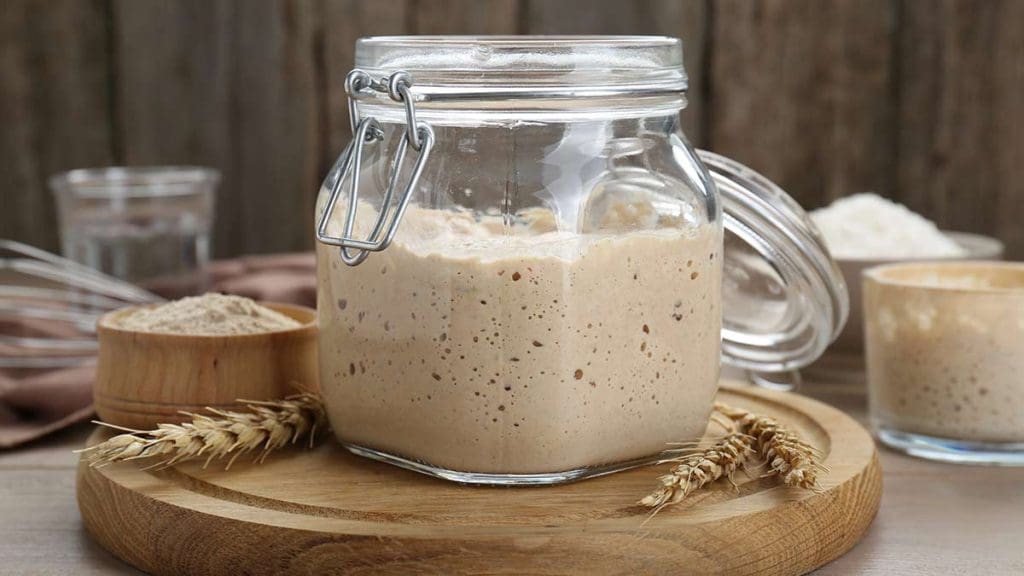
- Fermented bread, vinegar, sausages and more: Fermented, but typically consumed without live microbes due to heating or filtration.
There are thousands of fermented foods and beverages worldwide and there’s lots of room for experimentation and cultural variety.
Potential Health Benefits
- Better digestion and gut health.
Many fermented foods deliver beneficial microbes that can help balance the community of bacteria in our intestines (“gut microbiota”). A balanced microbiota is linked to better digestion, improved nutrient absorption, and good gut health.
Fermented foods like yogurt, kefir and sourdough bread can be easier to digest, as fermentation breaks down components — such as lactose, fructans, FODMAPs, and gluten — that can cause intolerances.
- Enhanced nutrition and better nutrient absorption.
Fermentation can help “unlock” nutrients in food. During fermentation, microbes break food down in ways that make vitamins (like B vitamins), minerals, and amino acids easier for your body to absorb and use compared to the unfermented counterparts.
Fermentation also helps reduce or remove certain compounds found in plants that block or reduce nutrient absorption (such as phytates, tannins, enzyme inhibitors). By lowering these nutrient blockers, fermentation increases the bioavailability of nutrients, allowing the body to absorb them more effectively.
- Possible benefits for immunity and risks of chronic diseases.
Emerging research suggests that regular consumption of fermented foods may support immune function, reduce inflammation, and promote bone, gastrointestinal, and mental health. Some studies also link fermented-food intake to a lower risk of cardiovascular disease, diabetes, metabolic syndrome, dermatitis, and certain cancers, potentially by improving blood sugar control, supporting a healthier metabolism, and helping regulate blood pressure — benefits attributed to microbes and the bioactive compounds produced during fermentation.
How to Incorporate Fermented Foods into Your Diet
Start with small servings if you’re new to fermented foods — this helps your digestive system adjust. Try one to two daily tablespoons of sauerkraut or a few sips of kombucha if you’re starting out.
If you’re new to fermented foods, here are a few easy ways to try them:
- Swap regular milk for kefir on your smoothie at breakfast. Enjoy your granola with yogurt.
- Add a spoonful of sauerkraut or kimchi on sandwiches, salads, or tacos for tangy flavour and a dose of microbes.
- Use tempeh, miso, or fermented soy products as protein-rich additions or meat alternatives.
- Add kimchi to eggs or fried rice.
- Try a small glass of kombucha or another fermented beverage (if appropriate) instead of sugary drinks.
- Explore different fermented condiments like soy sauce, fermented pickles, or vinegars to add depth to your cooking. For example, add miso into soups or dressings.
Where to Find Fermented Foods in the Grocery Store
| Refrigerated Natural Foods | Dairy Aisle |
| kombucha raw sauerkraut & kimchi fermented dill pickles | yogurt plant-based yogurt kefir plant-based kefir cheese |
| International Foods or Asian Foods Section | Bakery |
| miso paste kimchi soy sauce and fermented soybean products (e.g., tempeh) | artisan sourdough sprouted-grain products (not fermented, but often shelved nearby) |

What to Know (and Watch Out For)
Not all fermented foods contain live microbes.
If a product has been pasteurized or heavily processed after fermentation, live microbes may be killed. Still, the food may retain beneficial byproducts from fermentation (like vitamins, peptides, improved digestibility).
It is important to note that containing microbes does not automatically make a food probiotic. While fermented foods contain many beneficial microbes, only those that have been scientifically shown to provide health benefits at a specific dose can be classified as probiotic microbes or probiotic-containing foods.
Benefits vary based on the food and the individual.
Scientific evidence is growing, but not all claimed health benefits have been proven conclusively.
Not all pickled vegetables are fermented.
Many are just preserved in vinegar and have not undergone fermentation, so they don’t contain the live beneficial microbes found in fermented vegetables.
Some people might need to be cautious.
While fermented foods are generally safe, they may not be appropriate for everyone. For instance, fermented foods high in salt (like some fermented vegetables) may not suit people with salt-sensitive conditions. Additionally, people with weakened immune systems or certain health concerns should consult a healthcare professional before including these foods regularly in their diet.
References
Canadian Fermented Foods Initiative, https://fermentedfoods.ca/wp-content/uploads/2025/09/Fermented-foods-Infographic-ENGLISH.pdf
Journal of Nutrition, https://jn.nutrition.org/article/S0022-3166(22)02221-0/fulltext
National Collaborating Centre for Environmental Health, Fermented foods safety guidance: A new resource for public health practitioners: https://ncceh.ca/resources/blog/fermented-foods-safety-guidance-new-resource-public-health-practitioners
National Institutes of Health, Are Fermented Foods Effective against Inflammatory Diseases? https://pmc.ncbi.nlm.nih.gov/articles/PMC9915096/
Nature, The International Scientific Association for Probiotics and Prebiotics consensus statement on fermented foods: https://www.nature.com/articles/s41575-020-00390-5
National Library of Medicine, Fermented Foods, Health and the Gut Microbiome: https://pmc.ncbi.nlm.nih.gov/articles/PMC9003261/
Related Recipes



 Teas, Spices And Wild Foods From The Boreal Forest