Many of the tomatoes, cucumbers, peppers, and lettuce in Canadian stores come from greenhouses, but the steps between harvest and your grocery cart are not always obvious. Greenhouse vegetables move through a coordinated cold chain designed to protect freshness, quality, and safety from the farm to wholesale markets and retail shelves. This article walks through what typically happens after greenhouse vegetables are picked on Canadian farms and how they reach your store.
Step 1: Harvesting and first cooling at the greenhouse
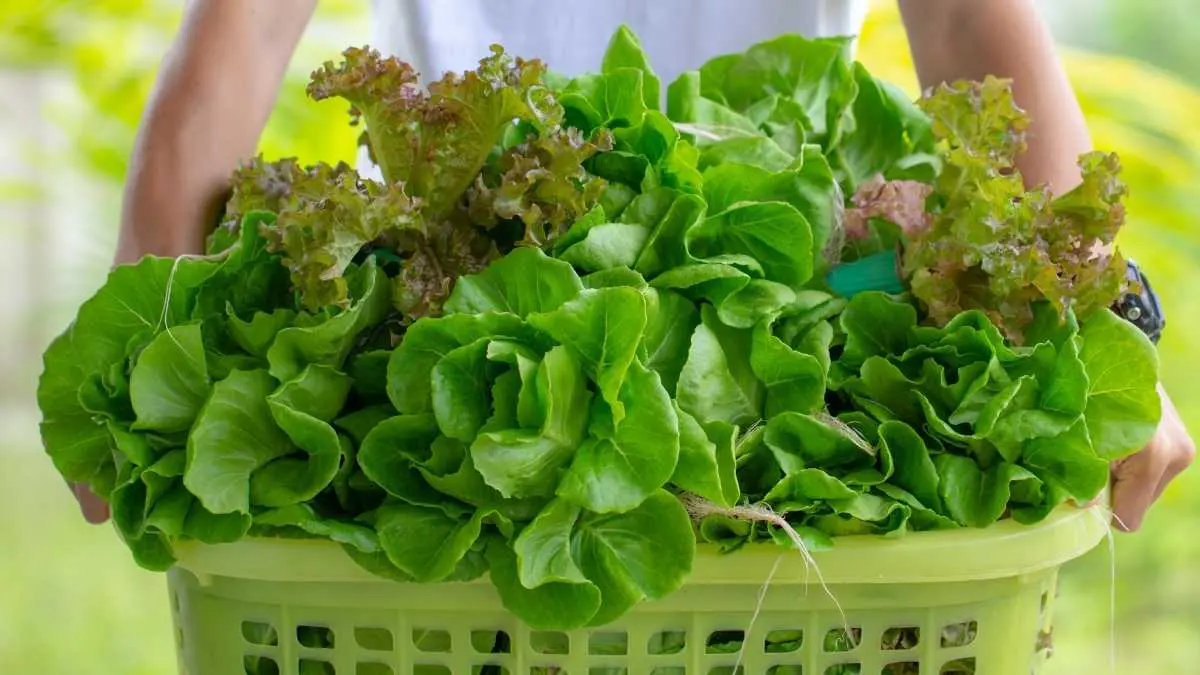
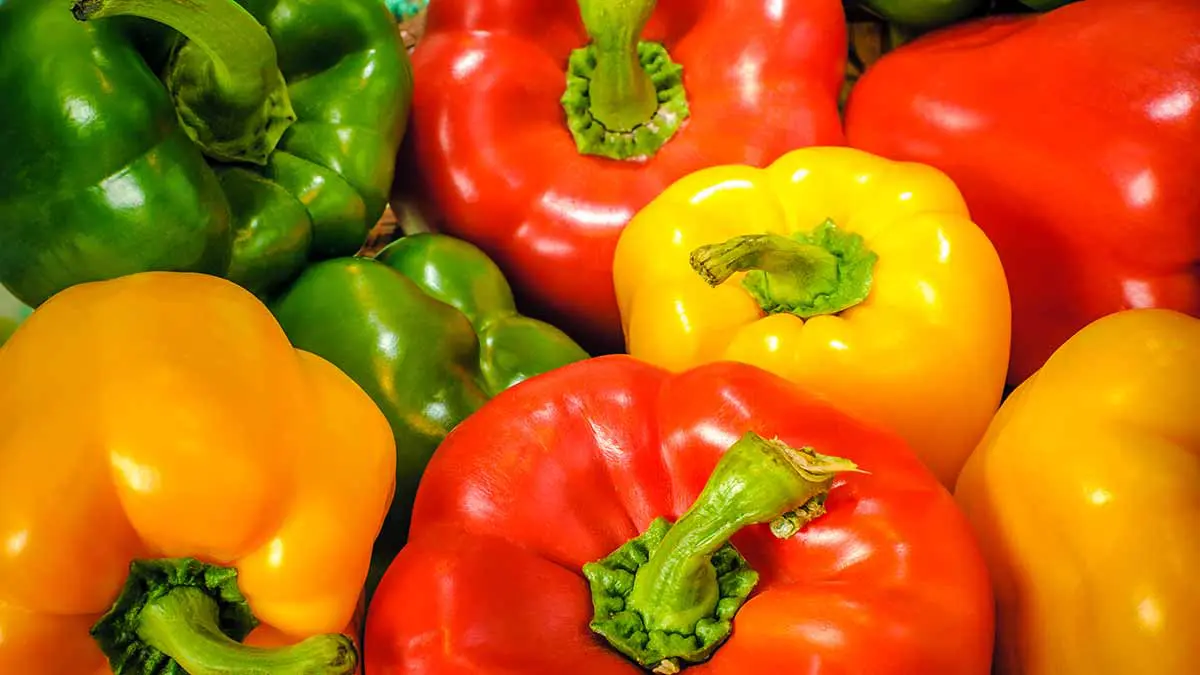
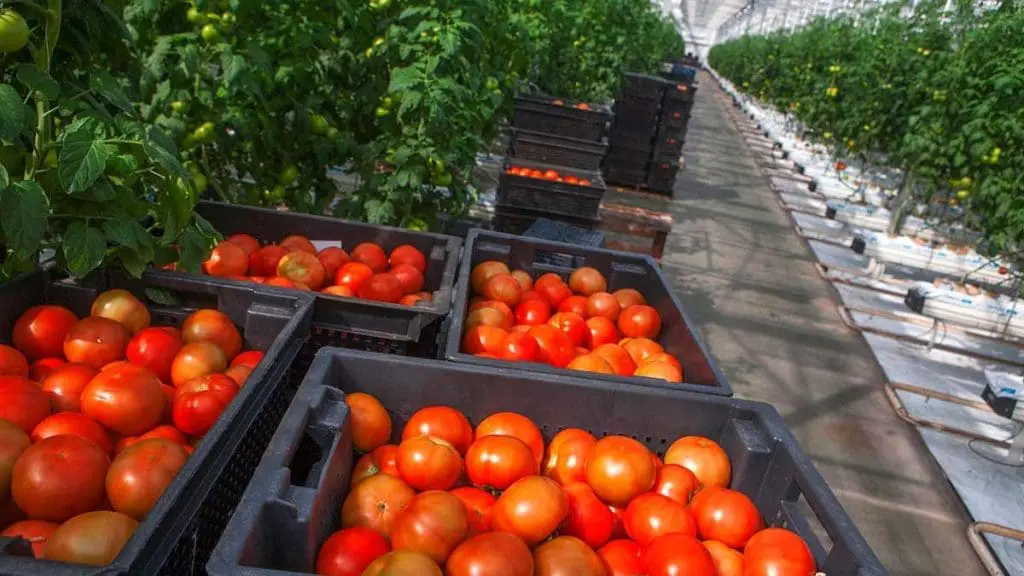
On commercial greenhouse vegetable farms, workers harvest crops such as tomatoes, cucumbers, and peppers into clean bins, totes, or carts. Harvesting is often done by hand, with staff trained to pick produce at the right stage for the intended market.
After harvest, produce is moved quickly to a packing and cooling area on the farm. Here, vegetables are graded (sorted by size, colour, and quality), packed into boxes, bags, or clamshells, and precooled to remove field or greenhouse heat. Pre‑cooling and holding product at the recommended temperature range slows respiration and helps maintain shelf life and firmness.
What this means for you
The quality and shelf life of greenhouse vegetables are influenced by how quickly they are cooled and handled after harvest. Canadian growers use on‑farm grading, packing, and cooling to get products ready for transport while maintaining freshness.
What’s in season


Step 2: Transport from greenhouse to distribution hubs
Once packed and precooled, greenhouse vegetables are loaded onto refrigerated trucks and transported to wholesale markets, distributor warehouses, or retailer distribution centres. Transport distances vary: some greenhouses supply nearby urban markets within a day, while others ship across provinces or into export markets.
Refrigerated transport is part of the cold chain, which is a sequence of refrigerated storage and transport steps that keep products within defined temperature ranges from the farm to retail. Temperature monitoring systems and recorded logs help carriers and shippers verify that conditions stayed within target ranges during transit.
What this means for you
When you buy Canadian greenhouse vegetables, they have typically moved in refrigerated trucks from the farm to a distribution hub, with temperature controlled and monitored to support quality and safety.
Step 3: Distribution centres and wholesalers
Many greenhouse vegetables pass through distribution centres operated by retailers, wholesalers, or specialized logistics companies. At these facilities, shipments from multiple greenhouse farms and sometimes imports from other countries are received, checked, and stored in refrigerated rooms until they are redistributed to stores.
Distribution centres often:
- Verify product condition and temperature on arrival.
- Rotate stock based on “first in, first out” principles.
- Consolidate loads for specific stores or regions.
What this means for you
A large part of the journey for Canadian greenhouse vegetables happens out of sight in distribution centres, where maintaining proper temperatures and stock rotation helps ensure that products have usable shelf life when they reach your local store.
Step 4: Retail store handling and display
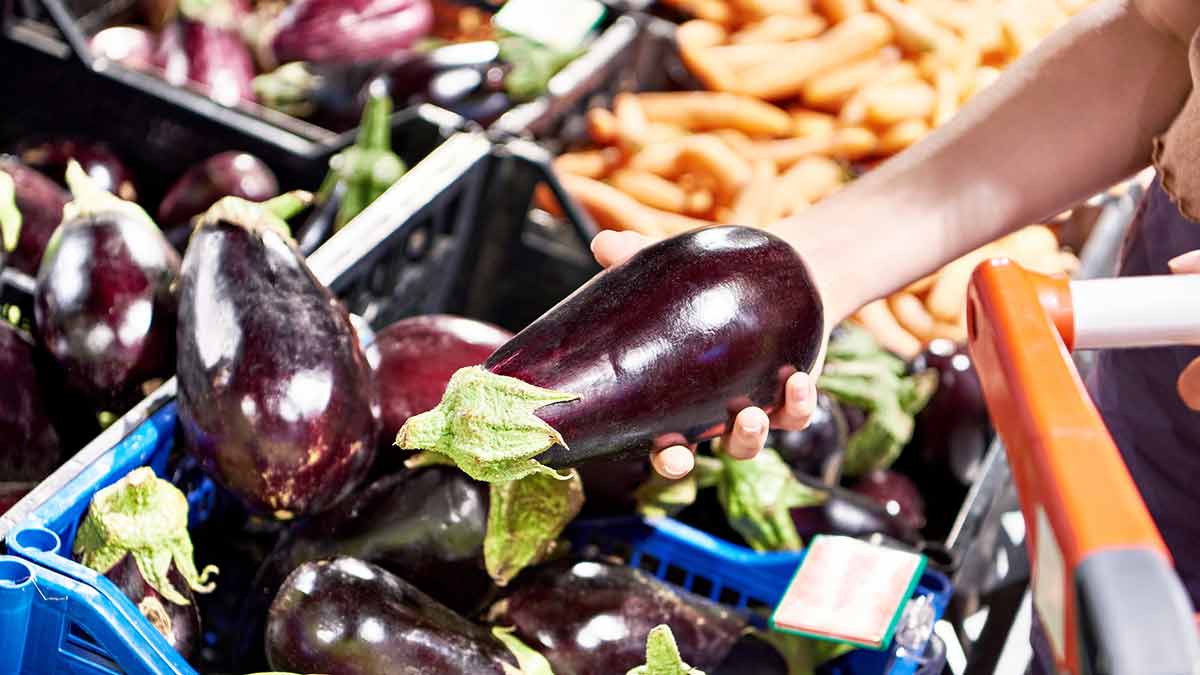
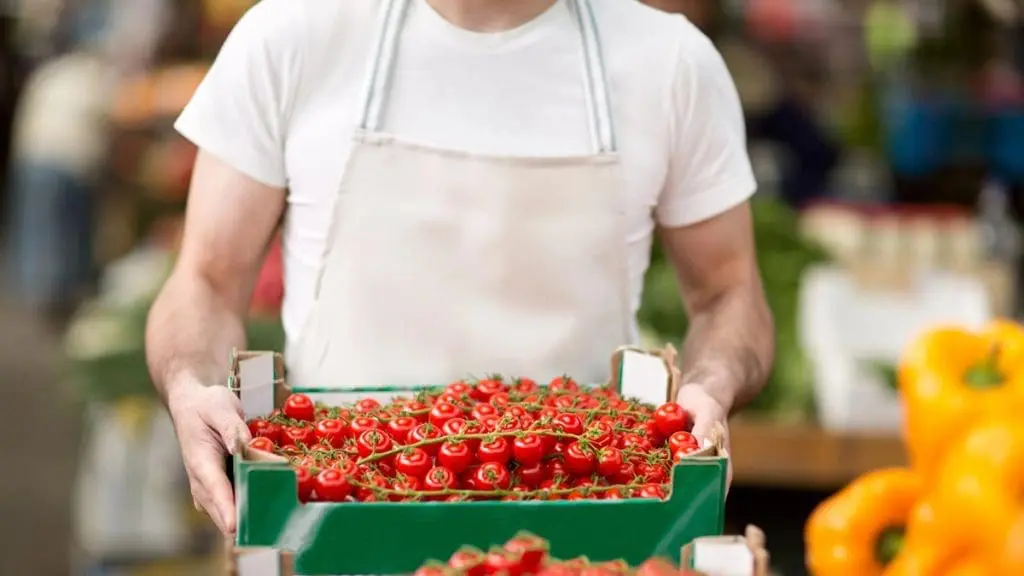
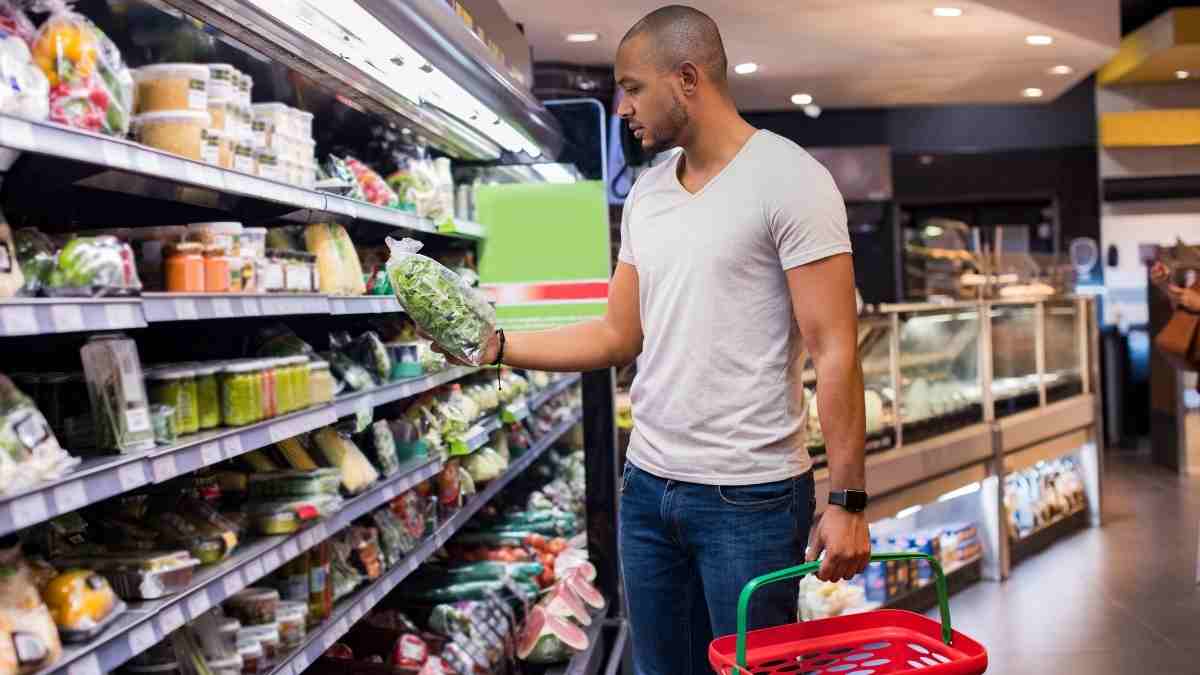
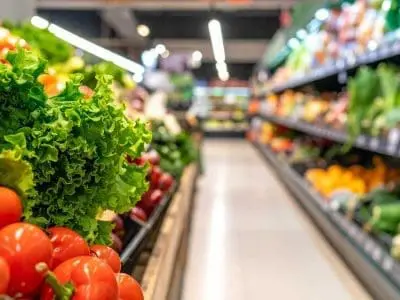
From the distribution centre, vegetables are transported in refrigerated trucks to retail stores, where staff receive and store them in back‑of‑house coolers or directly stock them on display shelves. The retail stage is often where shoppers first see the product, but it is the final link in a longer chain.
At the store, staff:
- Check for damage or spoilage and remove unsuitable items.
- Place products on display in areas with appropriate temperature and humidity
- Maintain product rotation so older stock is sold first and newer stock is placed behind.
What this means for you
How your local store handles and rotates greenhouse vegetables affects how long they will last once you take them home. Proper refrigeration and stock rotation at retail help maintain quality and reduce food waste.
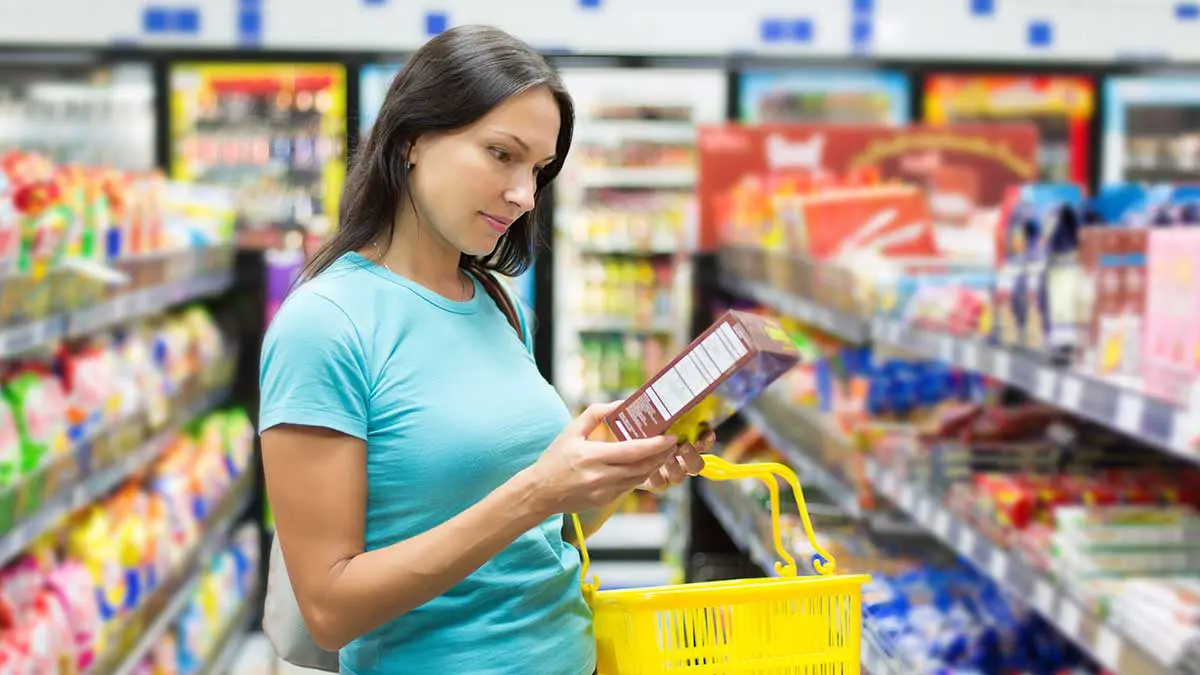
Step 5: Labelling and information at the shelf
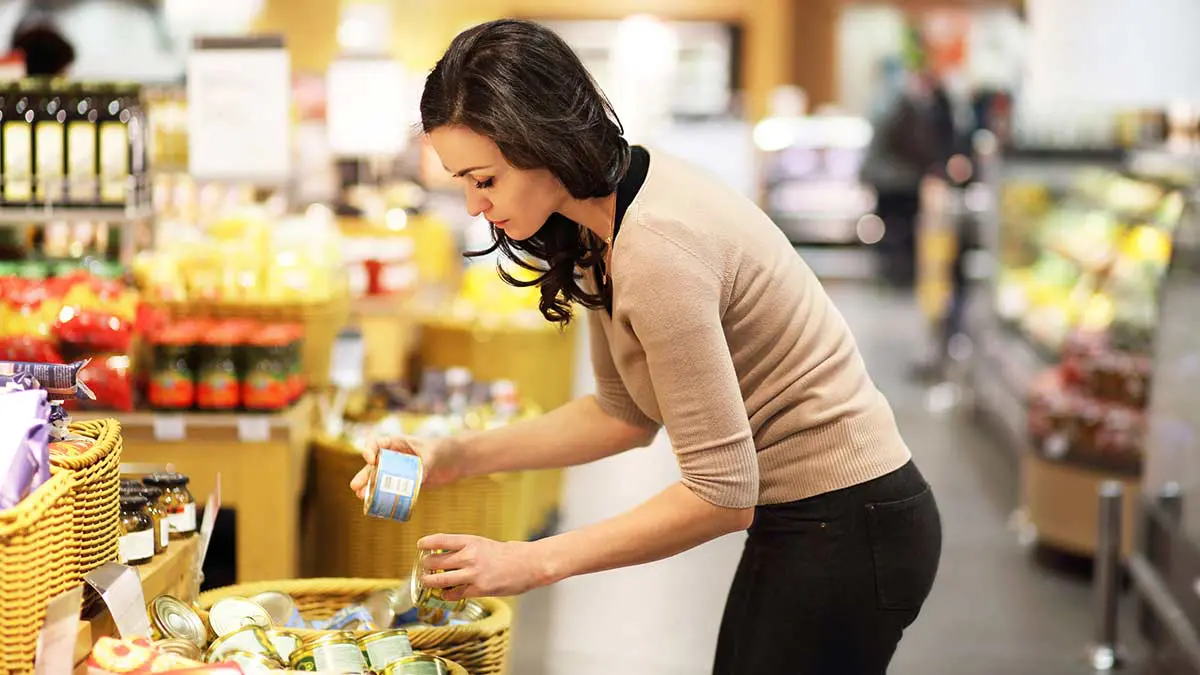
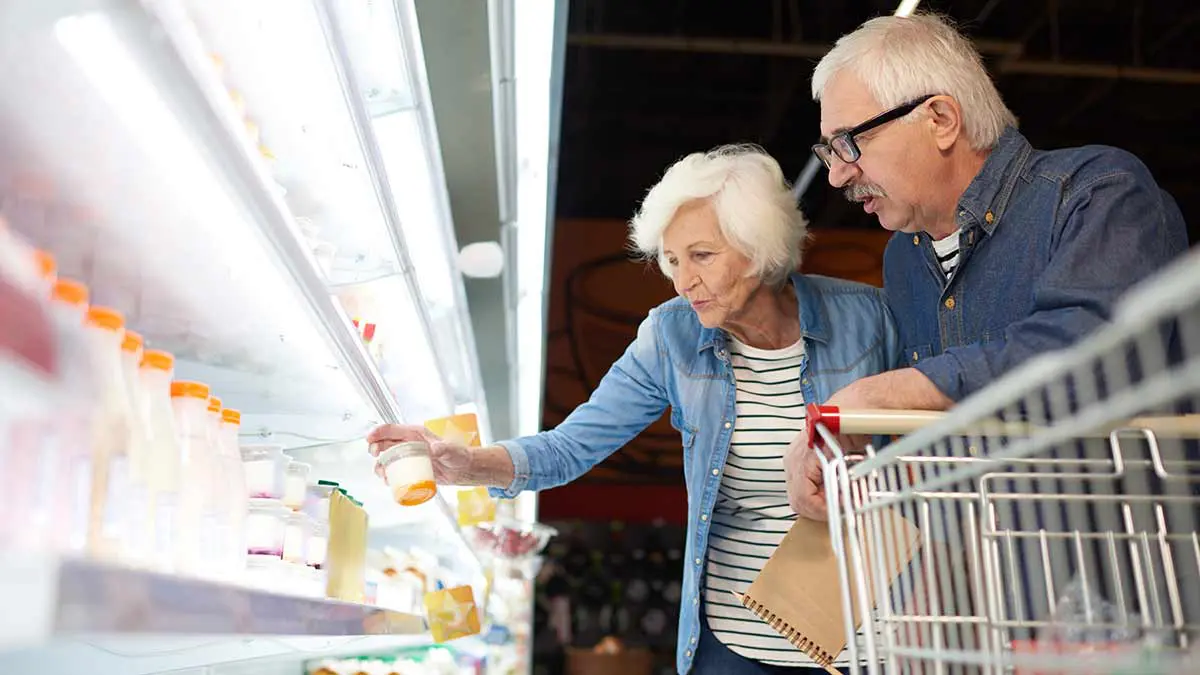
At some point in the supply chain, usually at packing or repacking, products are labelled with key information, including product name, net quantity, and for imported items, country of origin. Canadian products may also carry “Product of Canada,” “Grown in [province],” or brand‑specific origin claims where applicable.
For greenhouse vegetables, there may also be:
- Greenhouse‑specific logos or wording for certain brands or co‑ops.
- Certification marks such as CanadaGAP or other food‑safety or sustainability certifications.
- Retailer “local” branding that highlights nearby or provincial suppliers.
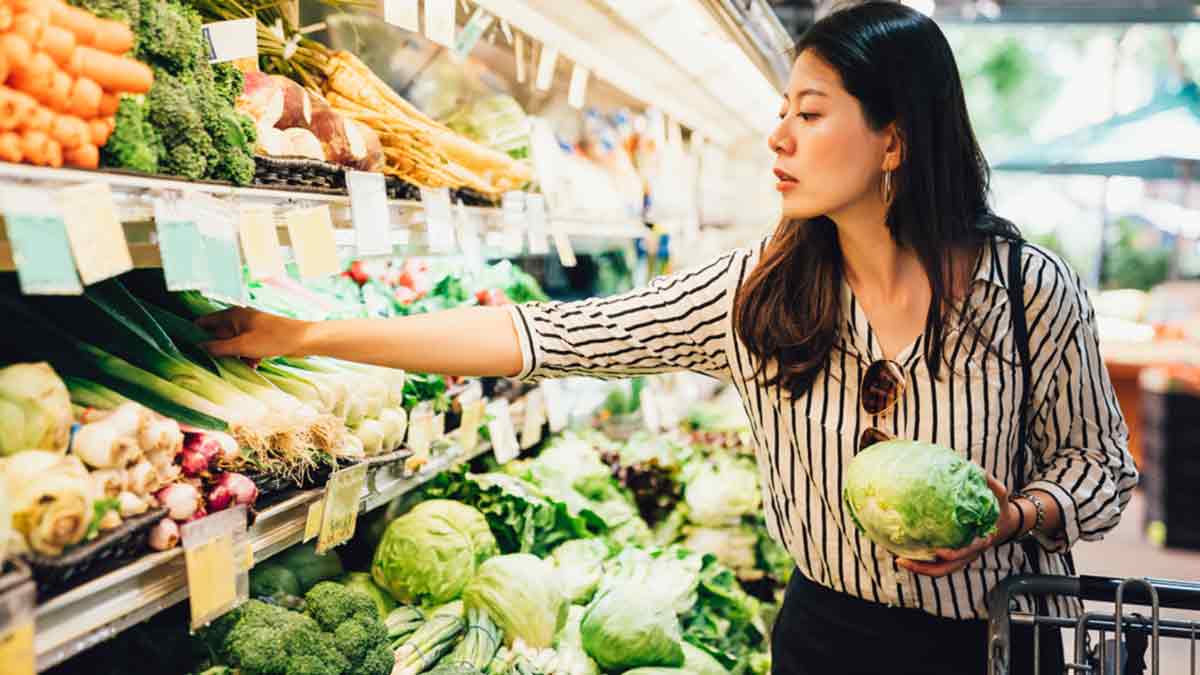
- Shelf tags and in‑store signage at retail provide additional information, especially for bulk produce where packaging is limited, including origin and sometimes whether the product is greenhouse‑grown.
What this means for you
By the time greenhouse vegetables reach the store shelf, most of the supply‑chain work is complete; origin, certification, and sometimes greenhouse branding on labels and shelf tags are your main tools for understanding where and how the product was produced and moved.
Labels





Step 6: How exports and imports fit into the same system
Canadian greenhouse growers supply both domestic and export markets; Ontario alone accounts for a significant share of production, and a considerable portion of greenhouse vegetables is exported. Canada imports greenhouse vegetables from other countries, particularly during periods when domestic supply is limited or when specific varieties are in demand.
Domestic and imported greenhouse products often use the same distribution infrastructure like wholesalers, distribution centres, and retail networks. The key differences are origin, distance travelled, and the mix of logistics partners involved. All products sold in Canada must meet Canadian food‑safety regulations, regardless of origin, but origin labelling allows you to distinguish domestic from imported items.
What this means for you
The greenhouse vegetables you see in store may be from Canadian greenhouses, imported greenhouses, or a mix over the year. Greenhouse vegetables often move through similar refrigerated distribution chains, with origin labels providing the main way to distinguish them.
Step 7: Where quality and safety are checked along the way
At each stage of the supply chain, quality and safety checks are performed.
On farm: growers follow on‑farm food‑safety programs and quality protocols, inspect crops before harvest, and monitor sanitation, water quality, and worker hygiene.
At packing: grading, sorting, and removal of visibly damaged or diseased produce, along with monitoring of temperature and handling practices.
During transport and storage: temperature logs and cold‑chain management by carriers and warehouses.
At retail: visual inspections and rotation to remove spoiled or damaged items.
Food‑safety regulations and voluntary certification programs (such as CanadaGAP) define requirements for handling, record‑keeping, and verification in the greenhouse vegetable supply chain.
What this means for you
Multiple checks along the farm‑to‑store supply chain are designed to manage quality and safety. Your role is to handle and store vegetables properly at home by refrigerating them as recommended, avoid cross‑contamination, and use them within a reasonable time.
Putting it together: From harvest to grocery cart
A typical journey for Canadian greenhouse vegetables looks like this:
- Harvest and grading at the greenhouse.
- Pre‑cooling and packing into boxes or consumer packs.
- Refrigerated transport to a distribution centre or wholesaler.
- Cold‑storage and redistribution to retail stores.
- Store‑level receiving, storage, display, and labelling.
- Purchase and home storage by the consumer.
Understanding these steps can help explain why cold chain management and labelling rules matter for quality, safety, and trust in Canadian greenhouse vegetables.
What this means for you
When you choose Canadian greenhouse vegetables, you are relying on a coordinated system that moves produce from controlled‑environment farms, through refrigerated transport and distribution centres, to your local store, with multiple points of quality and safety checks and required origin labelling.
Check Out These Related Articles



 Greenhouse Farming: How Vegetables Are Grown Indoors