
A sure smell of summer in Canada? Fried dough. Visit any festival, clap along at any concert, or peruse the food stalls at any fair, and that comforting aroma of dough turning golden in hot oil will surely be wafting through the air – with cinnamon lingering in the wind. Granted, if you’re skating along the Rideau Canal in the winter or visiting your local rink or ski hill, you’ll most definitely also smell those Beaver Tails.
Beaver Tails, the elongated donut treats named after Canada’s beloved semi-aquatic rodent, consist of a hand-stretched piece of fried yeast dough shaped like a beaver’s tail. While the originals popularized by the Hooker family in the 1970s are classically doused with cinnamon sugar, there are also a variety of topping options like chocolate-hazelnut spread, fruit, maple butter, or even cheesecake fillings.
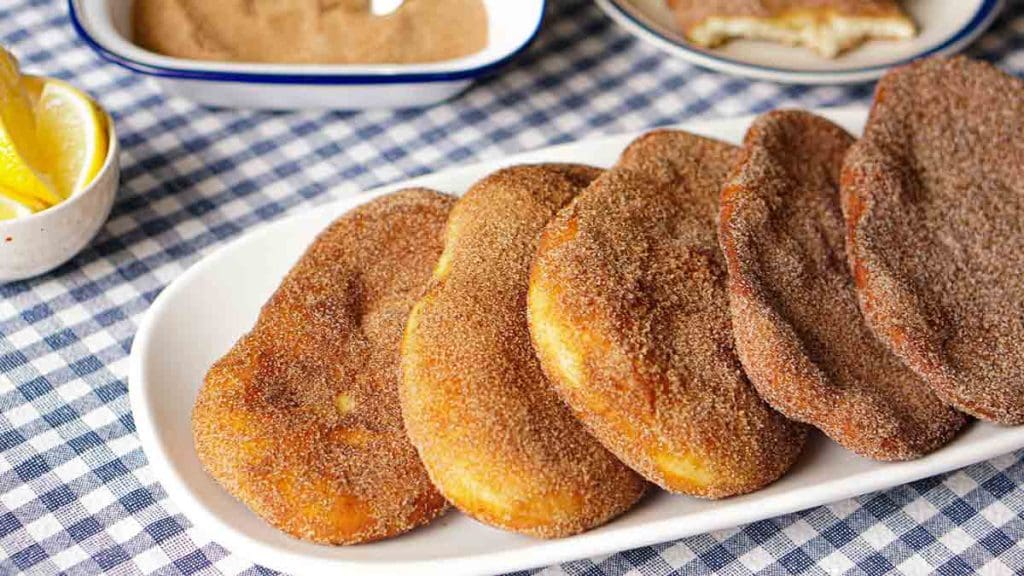
Across the country, Canadians recognize Beaver Tails as a sweet treat, and its culinary history is much more ingrained in the collective psyche than we think. These days, Beaver Tails could be called Ottawa’s signature food, but long before Byward Market stalls and ice rink concessions were pumping out Beaver Tails, Indigenous people and fur traders were eating real beaver.
Indigenous people have been eating beaver for centuries, making use of all parts of the animals they hunted, including the flesh of the beaver tails, which they cooked over an open fire to loosen the scales. With the arrival of English and French settlers in the 17th century, Indigenous people started trading furs with the Europeans, who also started dining on beaver tails. The bishop of Quebec City actually decreed that the beaver was a fish, so that the primarily Roman Catholic residents of New France could eat it on Fridays and during Lent.
Some three hundred years later, it was Grant and Pam Hooker who created the Beaver Tail pastry, changing (and sweetening) the Canadian culinary landscape forever. It all started at the Killaloe Craft and Community Fair, two hours west of Ottawa, in the late 1970s, when the Hookers started selling their breakfast pastries for a dollar. Their whole-wheat pulled donuts were from a recipe by Grant’s German grandmother, a spin on her breakfast küchle, German for “little cake.”
It wasn’t until the Hookers’ daughter remarked how much the breakfast pastry looked like a beaver tail that they realized they had the perfect marketing tool. The very first Beaver Tails store opened as “Hooker’s Great Canadian Beaver Tail Pastry “ in Byward Market in 1980 to some success, but once they opened the riverside stand on the Rideau Canal, the Beaver Tail became a Canadian icon.
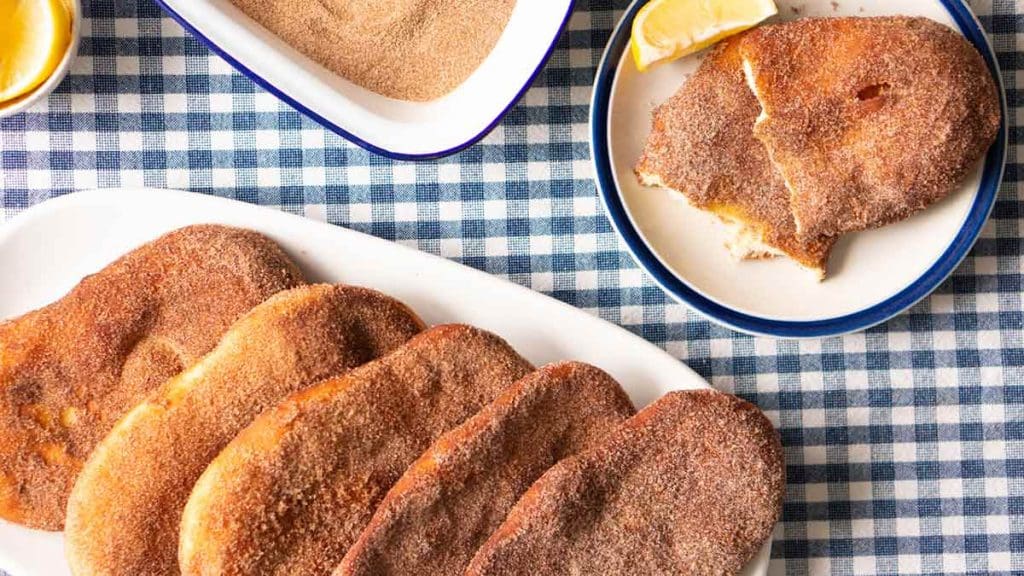
Classic Canadian Dish: Beaver Tails
This homemade recipe keeps the heart of the original, simple pantry ingredients, an easy dough, and that unmistakable beaver‑tail shape, while giving you the freedom to top it any way you like, from classic cinnamon‑sugar to maple butter, or fresh fruit.
Now, Beaver Tails are one of the most recognizable Canadian treats. Obama even dropped by the Byward Market location for a snack during his first presidential visit to Ottawa in 2009, and there’s even a question about them in the Trivial Pursuit board game. The Beaver Tails chain now has more than 140 locations around the world, including Dubai, France, Japan and Mexico.
Beaver Tails, the now-iconic Canadian pastry, didn’t have to flap very hard to become a classic treat, available in chains, farmers’ markets and home kitchens across the country.
Interested in other Canadian food stories? Check out these Classic Canadian Dishes:





 Classic Canadian Dish: Beaver Tails
