
By Gabby Peyton
For as long as there have been desserts there have been dessert shortcuts (or as they’re known these days, hacks), for the mother of invention hails from the drive to make things more convenient and Figgy Duff certainly does that. Newfoundlanders and Labradorians are big on Sunday supper called Jiggs Dinner, where vegetables and meat are boiled together in a pot. And bubbling right alongside it in the pot? The Figgy Duff, a boiled cake, which has been a family favourite (and a very easy dessert) for generations in Canada’s most easterly province.
But funnily enough, there are no figs inside this boiled pudding. So where does this name come from for this centuries-old dessert hack? Let’s take the lid off the pot to find out.
Here’s the history of Figgy Duff.
No figs in Figgy Duff?
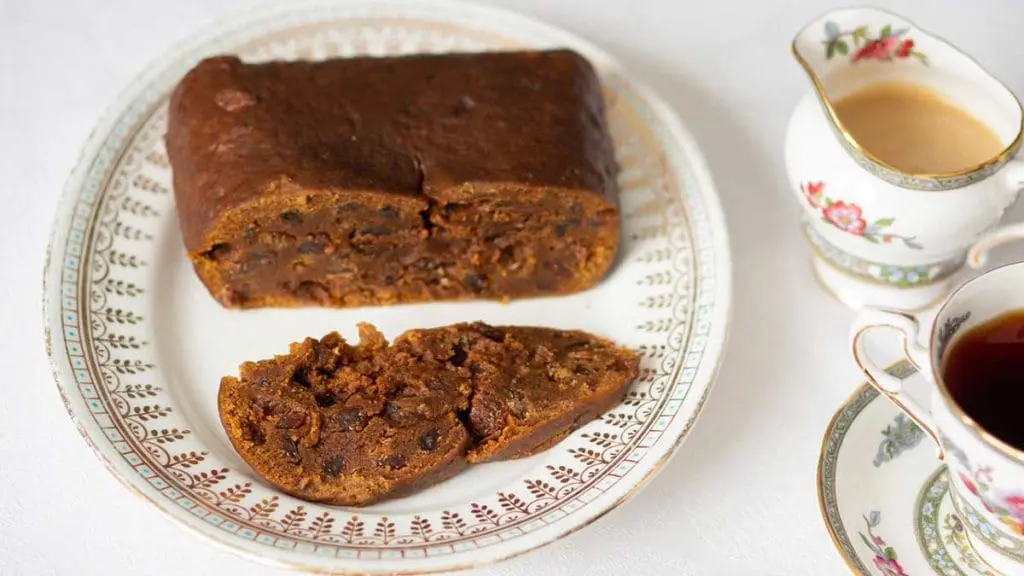
So, what is Figgy Duff? Well straight off the bat, let’s not confuse it with the 1970s folk rock band from Newfoundland who got its name from the dessert. It is in fact a boiled cake with raisins, not figs, and often spiced with cinnamon, allspice and ginger.
Figgy Duff is a traditional pudding from Newfoundland and Labrador, but it got its start centuries before it was being boiled on the Rock. Hailing from the English West country as far back as the 16th century, its ancestor Figgy Pudding (you’ll probably recognize it from the famous Christmas carol) also does not contain any figs, but raisins — the Cornish term for raisin is fig and it is thought this is where the name comes from. From the 16th century onwards, thousands of English residents arrived in Newfoundland to fish cod in the thriving fishery and by the 18th century, when the British migration was at its peak, families were cooking up a Duff for dessert.
These days, the pudding is cooked along with Jiggs Dinner in a pease pudding bag but while the methodology hasn’t changed much over the generations, the ingredients have. While many modern recipes call for flour as the main ingredient, archival recipes call for breadcrumbs as the base, which are soaked to soften, while others use flour, and there are even some records from Labrador in the 1960s listing broken crackers as the base.
Figging around
The ingredients aren’t the only thing that varies in this classic dessert, the etymology of Figgy Duff does as well. Recipes for Figged Rice, Figged Pudding, Figgy Duff, Figgy Pudding, Figgy Loaf, Figgity Pudding and even Lad-in-a-bag appear in cookbooks and community recipe records from the 1950s, 1960s and 1970s and I’m sure you could find more. There are also variations of the dessert which swap out the raisins for blueberries, which are ubiquitous in late summer in Newfoundland and Labrador, called a Blueberry Duff.
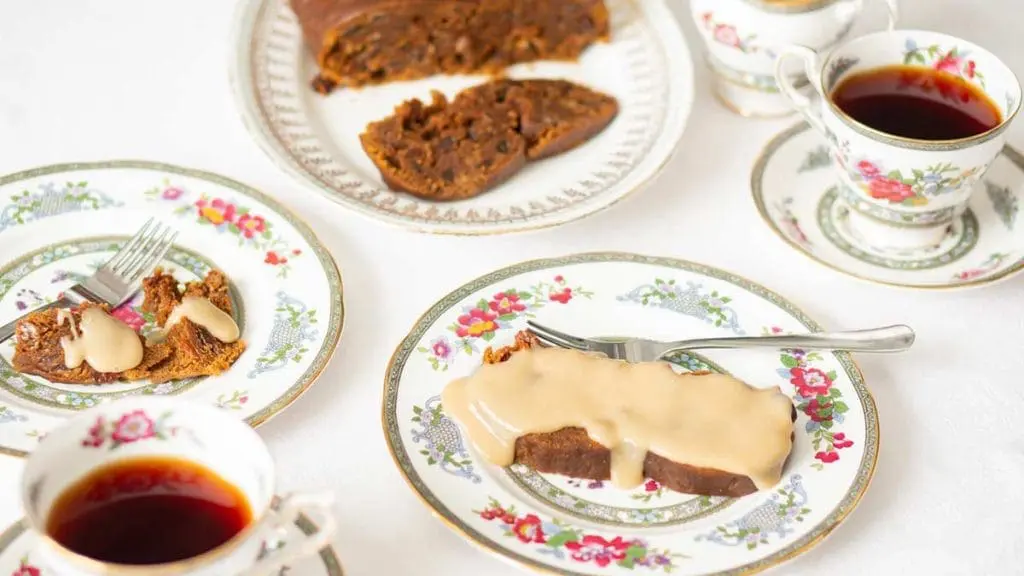
But regardless of the name or the exact recipe, Figgy Duff remains a classic dessert across the province, enjoyed on Sundays along with the weekly Jiggs Dinner. It’s served smothered in with a warm sauce, sometimes a simple rum butter sauce, other times a Molasses Coaty (or Coati) made with butter molasses and water — but you can be sure it’s always with a good cup of tea.
Classic Canadian Dish: Figgy Duff
Move over dump cake recipes, it’s all about the bag cakes!
Hungry for more? Check out these Classic Canadian Dishes:
- In a Jam(Jam): The History of Jam Jams in Canada
- Triple Threat: A History of the Nanaimo Bar
- Delicious Squared: History of Date Squares
- The History of the Iconic Jiggs Dinner
- The History of Pea Soup in Canada
- The History of Baked Beans in Canada
- Meat Pie Magic: The History of Tourtière
- Classic Canadian Dishes: Pouding Chômeur
- Classic Canadian Dishes: The Lobster Roll
- Classic Canadian Dishes: Saskatoon Pie
- Classic Canadian Dishes: Cod au Gratin

 Classic Canadian Dish: Figgy Duff