Bans on some packaging material can increase food waste
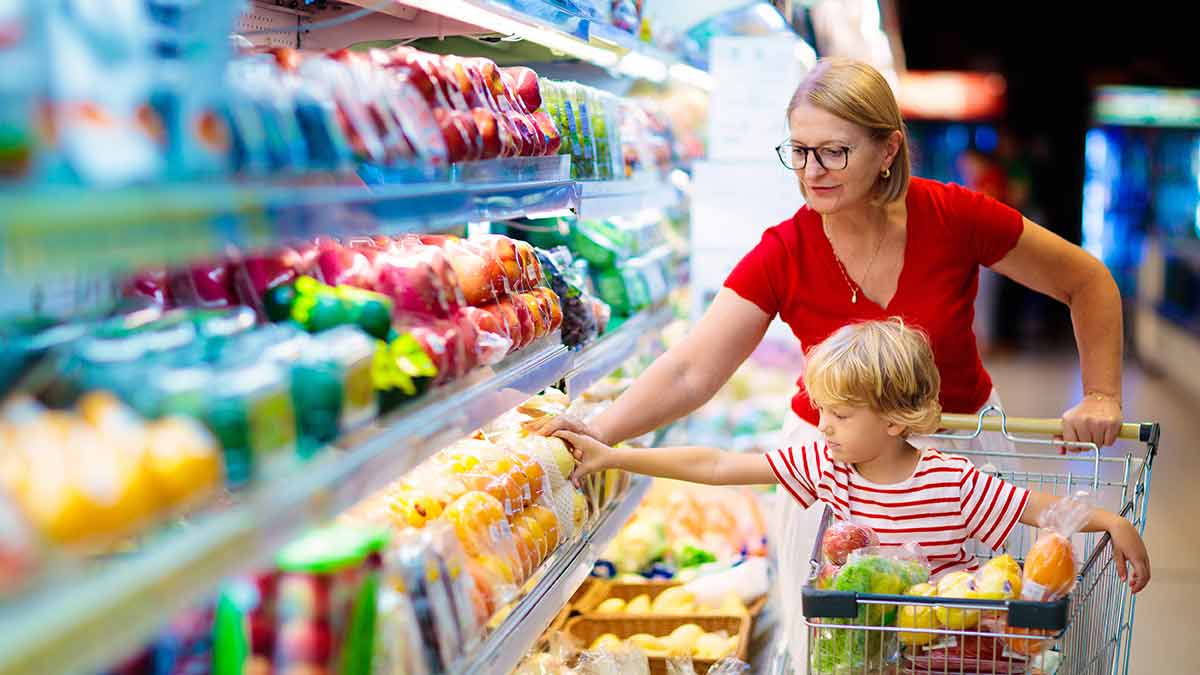
The significant volumes of waste generated by all the trays, bags, containers, wraps and absorbent pads used in food packaging has spurred many to call for more sustainable packaging options.
Sometimes, however, what sounds like a good waste-reducing packaging solution might unintentionally increase the volume of food waste headed to the landfill.
According to Dan Duguay, senior director of sustainability with the Canadian Produce Marketing Association, there are opportunities to reduce food packaging waste. The key is to look at what’s required to keep food fresh and appealing throughout the supply chain, rather than just targeting specific packaging types.
More Food Waste?
Canada produces a lot of plastic – over 1.4 million tons of food wrap per year alone, for example, according to Statistics Canada data from 2019. Accounting for all plastic packaging produced, federal resources say a significant amount of it ends up in the rubbish bin rather than at the recycling plant.
The federal government introduced reforms to address the problem, including a ban on single-use plastics, in 2020. From a food producer, marketer, and retailer perspective, Duguay says such reforms failed to take into account the fact that food packaging relates to food safety, food waste, shipping requirements, and other sustainability and environment-related factors.
“Packaging impacts shelf life, shipping efficiencies, cost – this is what the government had not accounted for in its policies that are primarily focused on mitigating plastic waste,” says Duguay.
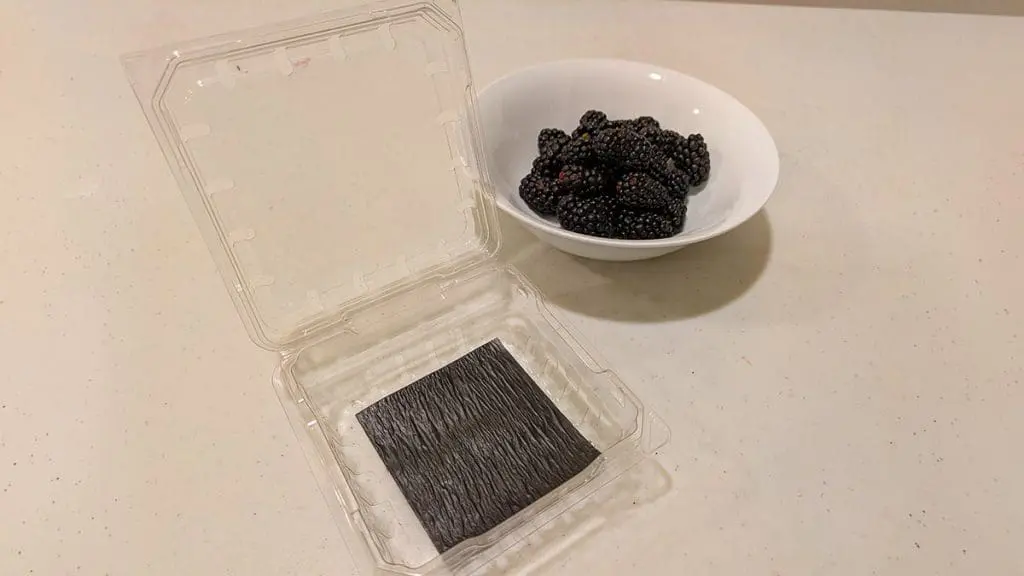
“For example, if someone is currently using plastic but recyclable clamshell containers, then transitions to heavily plasticized fibre packaging which risks making it not recyclable, is that a better outcome? If you look at the totality of the environmental footprint of the supply chain, if some packaging significantly reduces shelf life and increases food waste considerably, that’s a problem.”
The use of edible spray-on coatings for cucumbers is an example where an environmentally friendly product appeared to work well as a plastic replacement, but inadvertently led to higher rates of damage during transport. Significantly more cucumbers were wasted as a result. Marketing throws another complication into the equation, too, in that packaging which reduces the visual appeal of a product also reduces the likelihood it will sell or be otherwise consumed by the customer, leading to increased rates of food loss and waste at the retail level, or in the home.
Packaging, says Duguay, has to go through an “optimization function” – where it has to maximize some things (like shelf life) while minimizing others (such as damage during shipping).
“If you want to worry about one aspect of the chain, that’s easy. It’s really complicated when you’re trying to balance multiple outcomes and make the right tradeoffs at the same time,” he says.
“You can have a discussion with your sustainability specialist, and they will say you have to do one thing. Then you do the same with your marketing person and they say something else. If you really want to make the right packaging decision, you have to have all those people around the table at the same time.”
New Solutions
Just because packaging has to satisfy many requirements does not mean innovative solutions have not been found and experimented with.
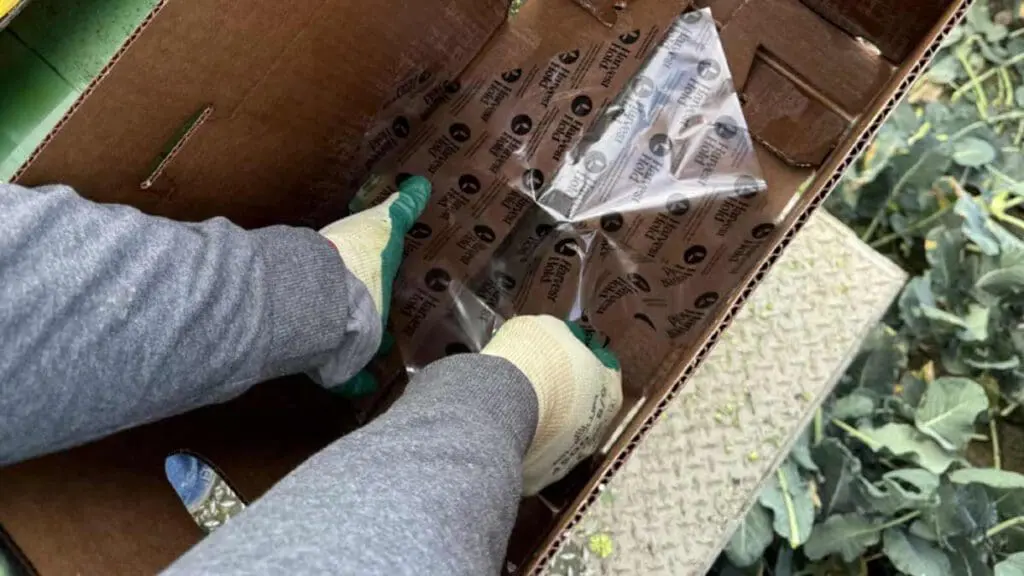
The large grocer chain Sobeys, for example, partnered with tech company Verdant Technologies to extend broccoli shelf life via packaging that blocks ethylene, the odourless gas that causes fruits and vegetables to ripen. This achievement brings the added benefit of removing the need for ice – previously the only practical way the longevity of produce like broccoli could be extended.
Duguay’s take away point – waste-reduction solutions are possible. But companies and those making public policy must consider how a new or alternative type of packaging will impact the critical balance of supply chains within the broader food system.
Food waste generated during shipping or at the retail level, after all, means every resource that has been used to produce and move that food has also been wasted. Truly sustainable packaging is packaging which reflects and addresses these realities.
Innovations in Food and Farming





 Canadian Rhubarb Types and Best Uses