
There are a few grocery wins that feel genuinely straightforward, and buying sweet corn in season in Canada is one of them. The short window matters: when fields are producing at full capacity in August and September, corn is widely available, local supply is at its peak, and farm-direct options often offer competitive pricing compared to imports during the off-season. Buying a couple dozen cobs at a farm stand and freezing the surplus is one of the most practical summer food-budget moves in the Canadian kitchen.
This guide walks through when and where to find the best value on Canadian sweet corn, how to plan your buying to minimize waste, and why the frozen corn in your grocery store’s freezer aisle is a smarter budget choice than it might get credit for.
When Is Sweet Corn Most Available in Canada?
Field-grown Canadian sweet corn is available from late July through October. The height of the season in most of Canada’s main growing regions runs through August and September.
Supply from Ontario and Quebec fields tends to build through August as successively planted crops come in. Growers stagger their plantings deliberately to keep the harvest rolling rather than hitting all at once. Peak supply typically coincides with peak August and September availability, which is when you’re most likely to find corn at roadside stands, farmers markets, and farm-direct retailers at competitive prices.
Outside of the Canadian field season, fresh corn in grocery stores typically comes from growing regions further south. Frozen and canned Canadian-grown corn is available year-round and is worth treating as a distinct category rather than a compromise.
Are Seasonal Sweet Corn Cobs Really Cheaper?
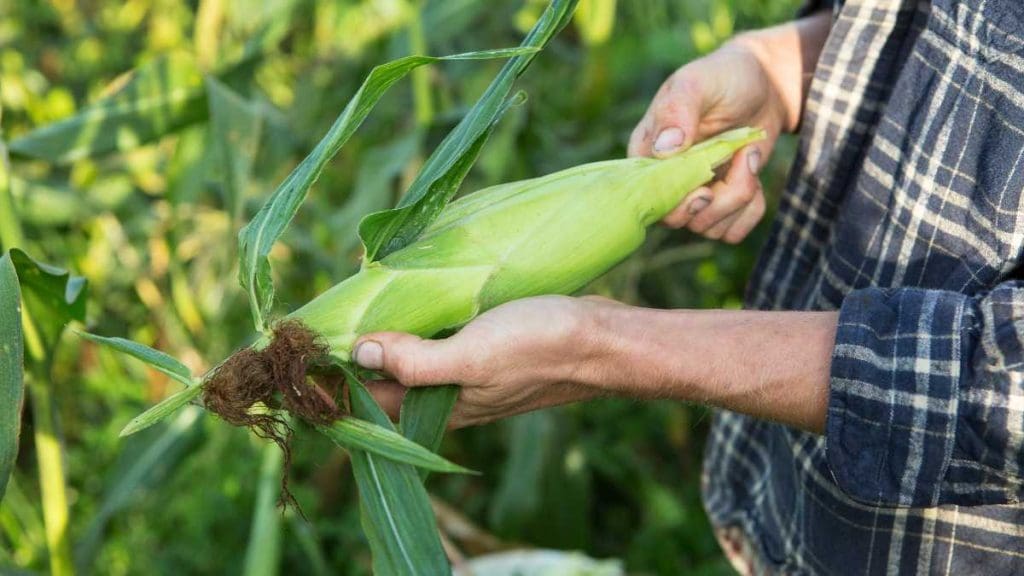
The honest answer is directional rather than absolute: during peak season, local sweet corn can often be found at competitive per-cob prices, particularly through farm-direct channels. Farm stands and U-pick operations typically offer pricing that reflects the efficiency of selling direct from the source rather than through a multi-step distribution chain.
What you should expect:
- Roadside stands and farm-direct retailers during the August and September peak may offer individual cobs or per-dozen pricing that compares well with grocery stores, particularly for fresh local corn.
- Farmers markets vary by vendor and region; expect to pay a small premium in some cases for corn that was harvested that morning.
- Grocery store pricing on corn during peak season can also be competitive when Canadian supply is abundant, particularly for promotions in late summer.
- U-pick corn (available at some Canadian farms) typically offers good value because you do the harvesting labour yourself.
It is worth noting that price alone does not capture the value of buying in season. Local corn bought at its freshest from a farm stand is a different product from corn that has been in transit for several days. The flavour difference is real.
How to Plan with Seasonal Corn to Save Money
Plan Around Peak Season
Mark your calendar for the local corn window in your region. In most regions, that’s typically August through mid-September. Plan at least one farm stand visit specifically to buy in quantity.
Keep your dinner plan simple on corn-buying day: corn on the cob with anything else in your fridge is a complete summer meal. There’s no planning required.
Buy in Bulk to Freeze
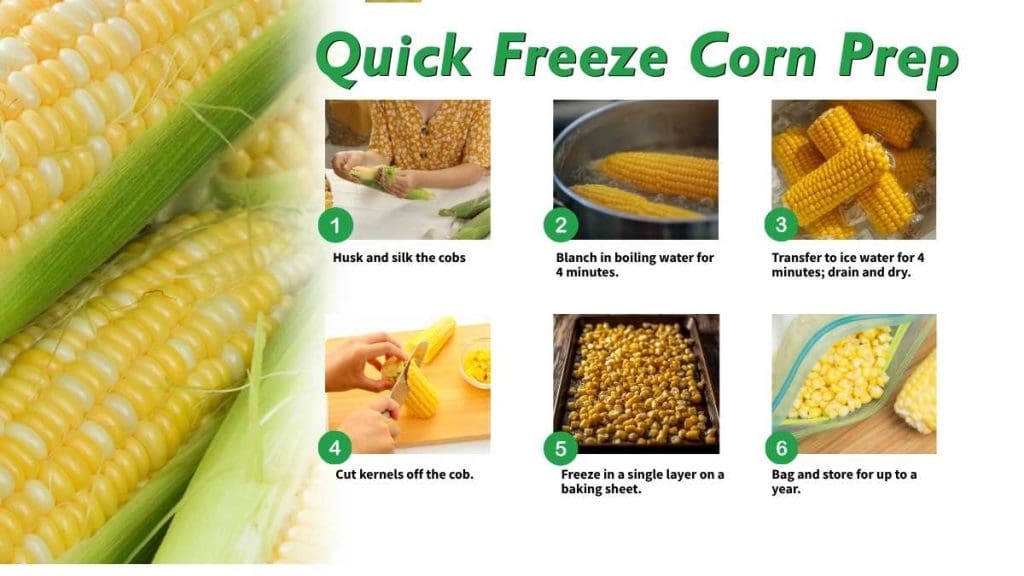
Fresh sweet corn freezes extremely well when handled correctly. Buying two or three dozen cobs at peak season and blanching and freezing the surplus gives you Canadian corn at a fraction of the cost of imported frozen corn in January.
See How to Store Sweet Corn to Cut Food Waste for step-by-step freezing instructions.
The math is simple: the cost of a bag of locally sourced, home-frozen corn is typically just the cost of the cobs plus a few minutes of work. Commercial frozen corn works out to a reasonable price, but home-frozen peak-season corn tends to have better flavour.
Right-Size How Much You Buy Fresh
A flat of corn that becomes compost costs more per usable cob than a half-flat that gets eaten. Buy only as many fresh cobs as you’ll use in one to two days; freeze everything beyond that immediately.
Use Frozen Corn as a Year-Round Kitchen Staple
Frozen corn, whether home-frozen or commercially produced, is one of the most versatile and affordable freezer staples in the Canadian kitchen. It works in chowders, soups, succotash, quesadillas, burritos, corn fritters, and anywhere else you’d use a cooked grain or starchy vegetable. Keeping a bag in the freezer through the winter is an easy way to eat Canadian-grown produce year-round at a modest price per serving.
Fresh vs. Canned vs. Frozen: What the Budget Decision Looks Like
All three forms of Canadian sweet corn are valid depending on season, use, and budget:
Fresh corn in season: the best flavour experience, and often the best value when bought in quantity during peak season from farm-direct sources. Requires same-day or next-day use.
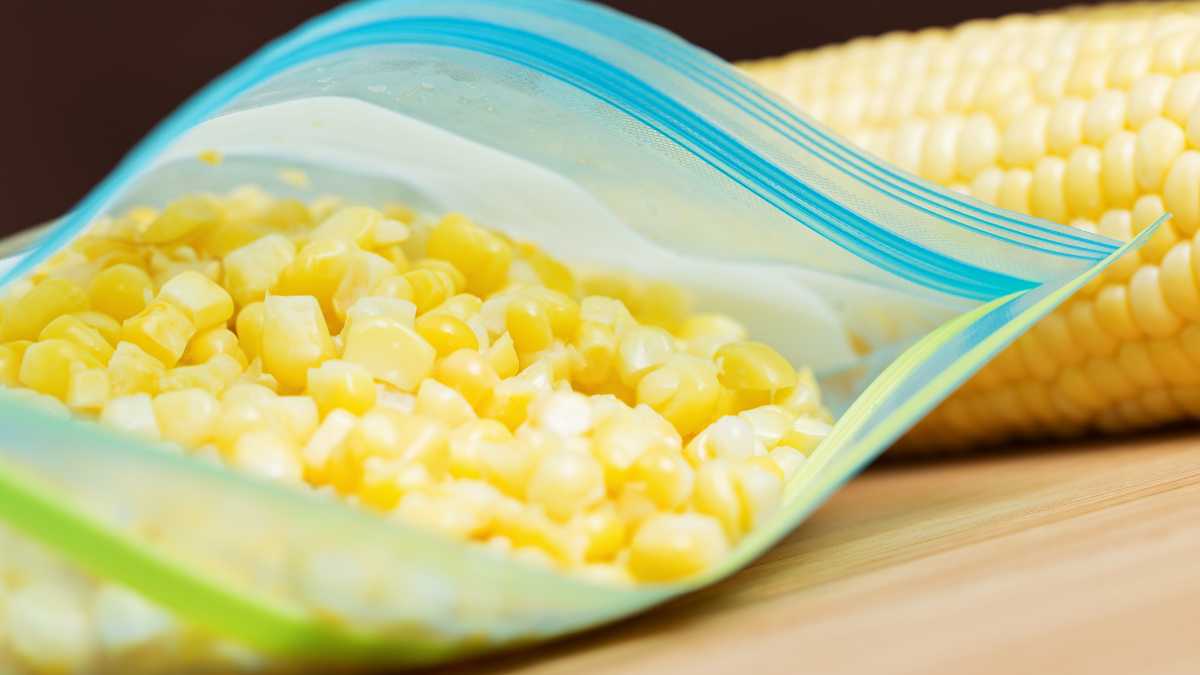
Home-frozen corn: captures peak-season flavour at roughly the cost of the fresh corn plus your time. Works best in cooked applications.
Commercially frozen corn: reliable, affordable, and available year-round. Canadian-grown options are widely available. Nutritional value is well-preserved. The everyday practical choice for soups, stews, and quick weeknight meals.
Canned corn: longest shelf life and most affordable per-serving cost in many grocery stores. Some canned options may include added salt; check labels if that matters to your household. Works well in applications where texture is less critical (soups, casseroles, dips, salsas).
From a nutritional standpoint, frozen and canned corn retain most of the nutritional value of fresh corn; in fact, in some cases, flash-frozen corn will preserve more nutrients than fresh corn that has been transported to stores and farm stands. The practical choice between them is largely about how you plan to use it and how much storage space you have.
How Seasonal Corn Helps Reduce Food Waste
The biggest food waste risk with sweet corn is buying more fresh cobs than you can eat quickly and letting them go starchy in the fridge. A few habits prevent this:
- Buy fresh only what you’ll use in two days. For anything beyond that, freeze immediately.
- Freeze on corn-buying day, not the day before you need it. The best frozen corn starts with the freshest corn.
- Turn imperfect corn into soup or chowder. A cob that’s a day past its fresh-eating best is still excellent in a corn chowder.
- Use the cobs for stock. After cutting off the kernels, simmer the stripped cobs in water with an onion, celery, and peppercorns for 30 minutes. The resulting stock is deeply corn-flavoured and wonderful in chowder.
- Batch cook at peak season. Cook a large pot of corn chowder or a pan of corn salsa when corn is at its freshest and most abundant; freeze in portions for later.
For more waste-reduction strategies that work across seasonal produce, see 6 Tips to Reduce Food Waste.
Quick Budget Checklist for Buying Sweet Corn
Buy only what you’ll eat fresh in one to two days; freeze the rest immediately
Ask the vendor when the corn was harvested, especially at grocery stores and markets
Keep commercially frozen Canadian corn in the freezer as a year-round backup
Choose canned corn for pantry shelf-stability and longest storage life
Use less-than-perfect fresh corn in soups and chowder rather than composting it
Blanch and freeze a batch during peak season for the best cold-weather value
Additional Articles to Explore






 Easy Ways to Use Sweet Corn