
Canadian shoppers are seeing labels indicating “product of Canada”, “local”, and “greenhouse‑grown” on produce, but the differences between these claims are not always clear. Greenhouse vegetables such as tomatoes, cucumbers, peppers, and lettuce now account for a large and growing share of Canada’s fresh vegetable sales. This article explains where to look on the label, how to tell when something is likely greenhouse-grown versus field-grown, and what local, greenhouse-grown, and Product of Canada mean in practice.
Where to find origin and greenhouse information on labels
On prepackaged produce like bags, clamshells, and wrapped trays, origin and some production information is usually on a main or side label. You may see statements such as “Product of Canada,” “Grown in Ontario,” or “Grown in Canada,” along with the packer or distributor name and location. Imported fresh fruits and vegetables must indicate their country of origin and Canadian‑grown items may carry Canadian origin claims or province‑specific branding where used.
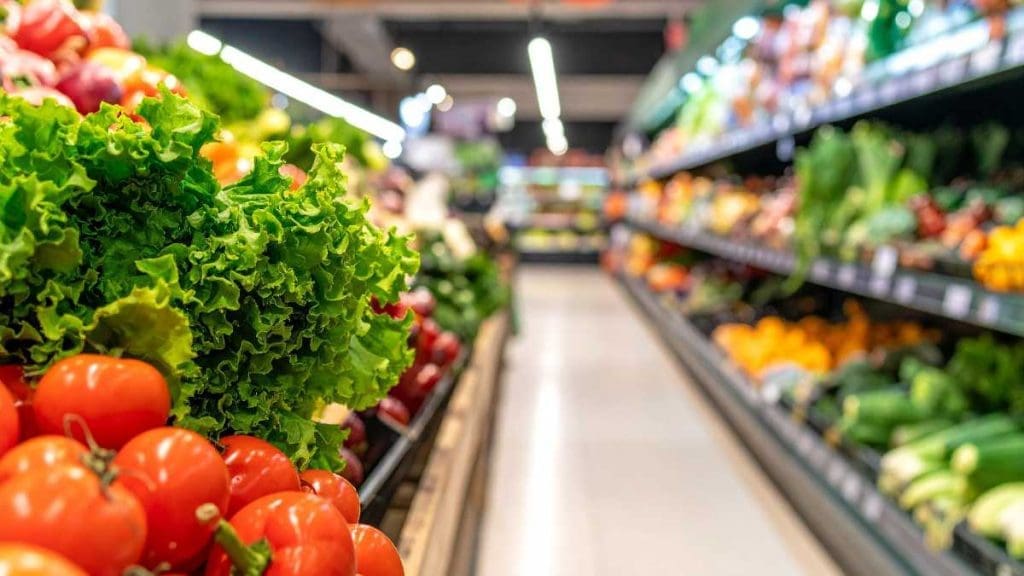
For bulk produce, origin information is typically shown on shelf tags or store‑level signage, especially for imported products that must declare country of origin. Some retailers and brands also use greenhouse‑grown logos or wording, but this is not mandatory; many greenhouse products are simply labelled by origin and product name.
What this means for you
If you are trying to identify Canadian greenhouse vegetables, first look for origin statements such as “Product of Canada” or “Grown in [province],” and then see if any packaging or signage highlights greenhouse grown or similar wording. Many tomatoes, cucumbers, peppers, lettuce, herbs, and some specialty vegetables are grown in Canadian greenhouses.
What’s in season


When is it likely greenhouse vs field?
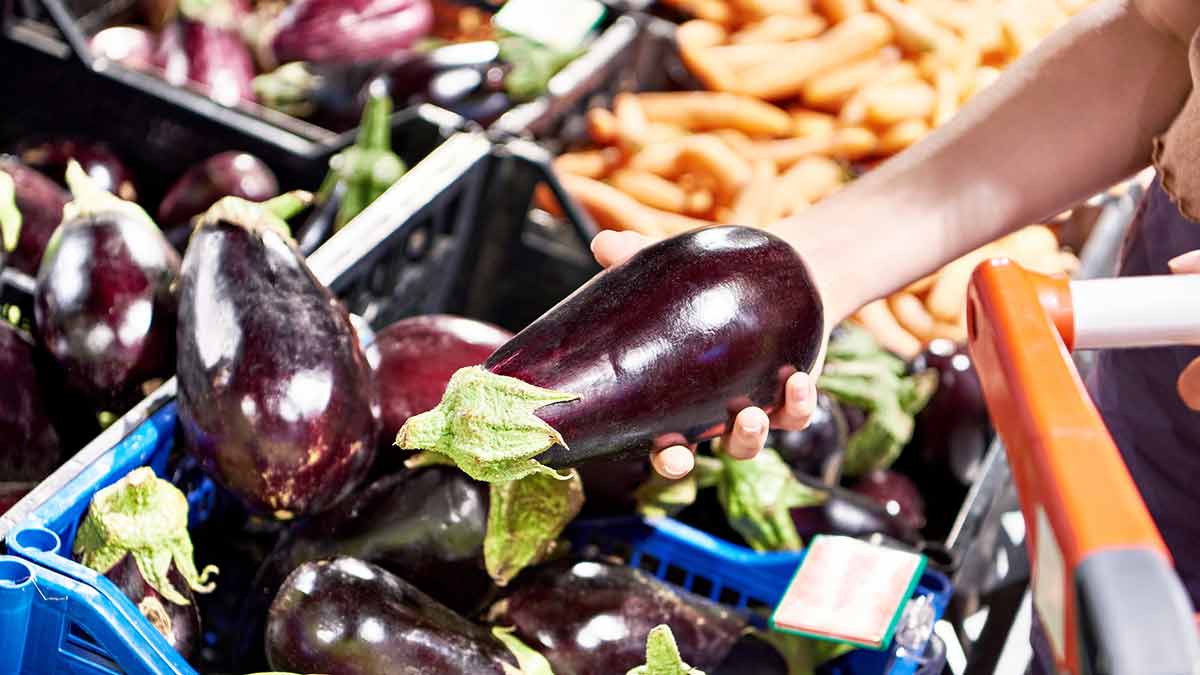
In Canada, tomatoes, cucumbers, and peppers are the main greenhouse vegetable crops grown, with lettuce, herbs, strawberries and some specialty crops increasingly grown in controlled environments as well. Field production remains important in warmer months, so the production system changes over the year.
As a general guideline for Canadian grown produce:
Winter season from December to March: most domestic tomatoes, English cucumbers, peppers, and many leafy greens are from greenhouses; strawberries and some berries may also come from greenhouse or controlled‑environment systems.
Spring and fall seasons: supply is often a mix of greenhouse and early/late field production, depending on region and weather.
Summer season from July to September: more field‑grown tomatoes, cucumbers, peppers, and berries appear alongside greenhouse products, especially from local and regional farms.
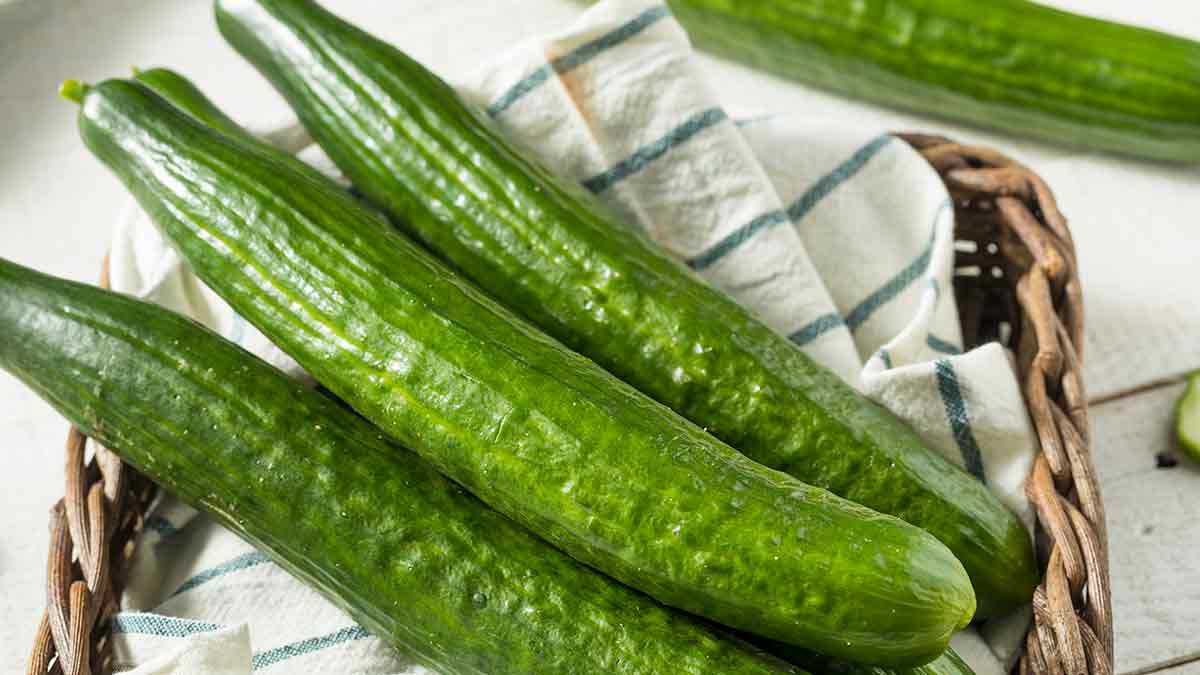
Packaging may also offer clues: long English cucumbers wrapped in plastic and multi‑pack tomatoes on the vine are often greenhouse grown, whereas certain loose field tomato varieties and unwrapped slicing cucumbers during summer may be more likely from fields.
What this means for you
If you are buying Canadian tomatoes, cucumbers, peppers, or lettuce in January, they are very likely greenhouse‑grown. In August, you are more likely to choose between greenhouse and field products, and labels or signage can help you distinguish them.
Quick checks for freshness and quality
Regardless of whether vegetables are greenhouse or field-grown, simple checks can help you assess freshness. For tomatoes, look for firm but not rock‑hard fruit, with smooth skin and no large soft spots or mould where the stem was attached. Cucumbers should be firm along their length, without wrinkling or water‑soaked areas; wrapped English cucumbers should not show excess condensation or shriveling inside the wrap. Peppers should have smooth, tight skin and feel heavy for their size, and lettuce should look crisp, with minimal browning on the leaves.
What this means for you
Checking colour, firmness, and the condition of packaging or leaves gives you a quick, practical way to choose vegetables that will keep well at home, regardless of whether they were grown in a greenhouse or a field. For more information about vegetables and fruits in season in Canada, visit our What’s in Season chart.
Recipe




Understanding local, greenhouse-grown, and Product of Canada
Several terms appear on fresh‑produce labels and in‐store signage, and they do not all mean the same thing.
Product of Canada
Under federal guidance, “Product of Canada” generally means that all or at least 98% of ingredients, labour, and processing occurred in Canada.
For fresh produce, this usually means the crop was grown and packed in Canada, with only minor non‑Canadian inputs allowed. For example, small amounts of imported seasoning in a prepared item.
Made in Canada
More common on processed foods than on raw produce, the Made in Canada label can be used when the last substantial transformation occurred in Canada, even if ingredients are imported, and must include a qualifying statement such as “Made in Canada with domestic and imported ingredients.”
Local
The Canadian Food Inspection Agency’s interim interpretation of the local label allows the term to be used when food is produced in the same province or territory where it is sold, or within a short distance, such as within 50 km across a provincial border.
Retailers and markets may use local to refer to province‑wide, regional, or closer supply; the specific definition is often not printed on the label.
Some provinces and territories also have programs to support local products:
- BC buy local
- Made in Alberta
- SaskMade
- Manitoba Made
- Foodland Ontario
- Aliments du Québec
- Buy local New Brunswick
- Made in Nova Scotia/Nova Scotia Loyal
- Canada’s Food Island
- Buy From NL
- Yukon Grown
Greenhouse grown
There is no single, mandatory national logo for greenhouse-grown produce, but some brands and retailers use their own logos or wording.
Many Canadian greenhouse tomatoes, cucumbers, peppers, and lettuce are simply labelled by origin and type without a specific greenhouse symbol.
Store‑specific “local” programs and private labels
Many retailers have their own “buy local” or region‑branded programs that highlight provincial or regional suppliers.
Private‑label brands may source from multiple farms or even countries over the year; origin information for each lot should still be provided on packaging or shelf tags.
What labels do and do not tell you about farming practices
Origin labels such as Product of Canada, country‑of‑origin, grown in [province], tell you where the product was grown or processed.
Organic, fair‑trade, or specific certification marks carry additional standards beyond origin, but not all products have these labels. These labels indicate production or trade practices, not nutritional standards.
Local should not be assumed to mean safer or more sustainable by default; all fresh produce sold in Canada must meet Canadian food‑safety requirements regardless of origin.
Labels





What this means for you
Labels like Product of Canada and grown in [province], can help you identify domestic greenhouse or field produce. Local and retailer programs may add regional information but rarely explain production details. “Greenhouse grown is sometimes highlighted but not standardized across all products. Reading origin statements and, where relevant, certification labels gives you a clearer picture of where your vegetables came from, even though not every farming practice appears on the label.
Check Out These Related Articles



 Low‑Cost Ways to Protect Plants from Canada’s Weather
