
Commercial greenhouses are an important part of how vegetables are grown and supplied in Canada, especially outside the main outdoor growing season. These controlled‑environment farms use structures, technology, and careful management to grow crops like tomatoes, cucumbers, peppers, lettuce, eggplants, herbs, and specialty vegetables on a relatively small land base. This article answers common questions about where vegetable greenhouses are in Canada, how they work, which crops they grow, and how vegetables are produced in a greenhouse setting.
Where are most vegetable greenhouses in Canada?
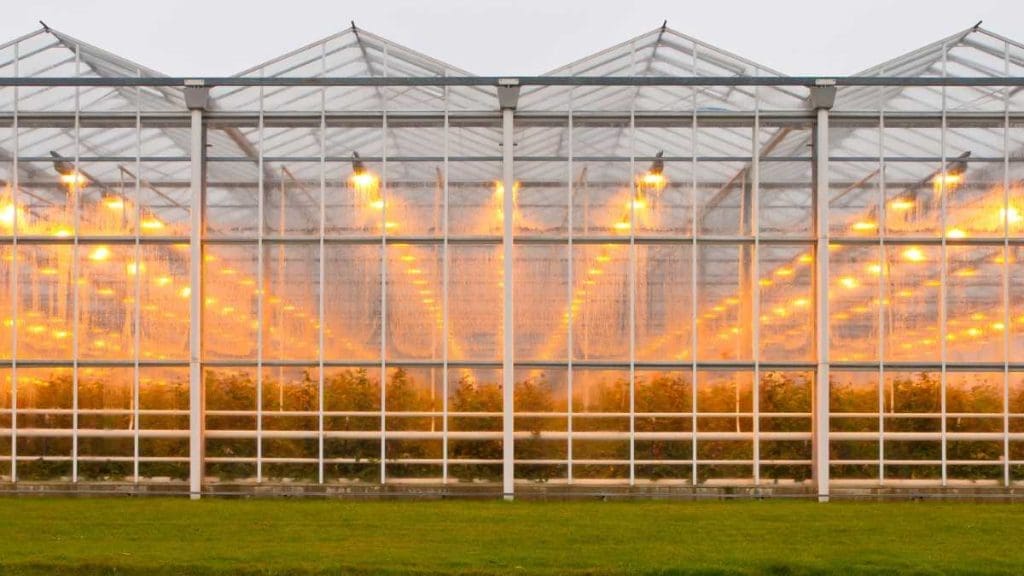
Most commercial greenhouse vegetable operations are located close to major Canadian cities and transportation routes. Ontario (including areas like Leamington and Niagara) accounts for 39% of greenhouse vegetable operations, Quebec accounts for 27% of greenhouse vegetable operations, followed by British Columbia at 16%. Over the past decade, greenhouse vegetable production has increased, accounting for a growing share of national fresh vegetable volume.
A commercial greenhouse vegetable operation is a farm that grows vegetables in controlled‑environment structures to sell into wholesale or retail markets, as opposed to a small greenhouse attached to a home or garden.
What this means for you
Many tomatoes, cucumbers, peppers, lettuce, eggplant, herbs, and some specialty vegetables labelled as Canadian are grown in these greenhouse regions, often for much of the year rather than just in peak summer.
What’s in season



What exactly is a commercial greenhouse?
A greenhouse is a structure covered with glass or plastic that allows farmers to manage temperature, humidity, and sometimes light to support plant growth. In commercial vegetable operations, crops may be grown in soil in the ground or more commonly, in soilless media such as rockwool or coconut‑fibre blocks, with nutrient solution delivered directly to the roots through drip irrigation. Sensors and automated control systems help adjust ventilation, heating, shading, and supplemental lighting to maintain target conditions inside the greenhouse.
“Soilless media” refers to materials other than soil (like rockwool slabs or coco-fibre blocks) that hold plant roots and provide physical support while water and nutrients are supplied through irrigation. “Controlled‑environment agriculture” describes farming systems that use structures and technology to regulate growing conditions such as temperature, light, water, and nutrients more precisely than in open fields.
What this means for you
When you see greenhouse‑grown vegetables from Canada, they usually come from farms using controlled systems to manage growing conditions and product quality, rather than from open‑field production alone.
Which vegetables are commonly grown in Canadian greenhouses?
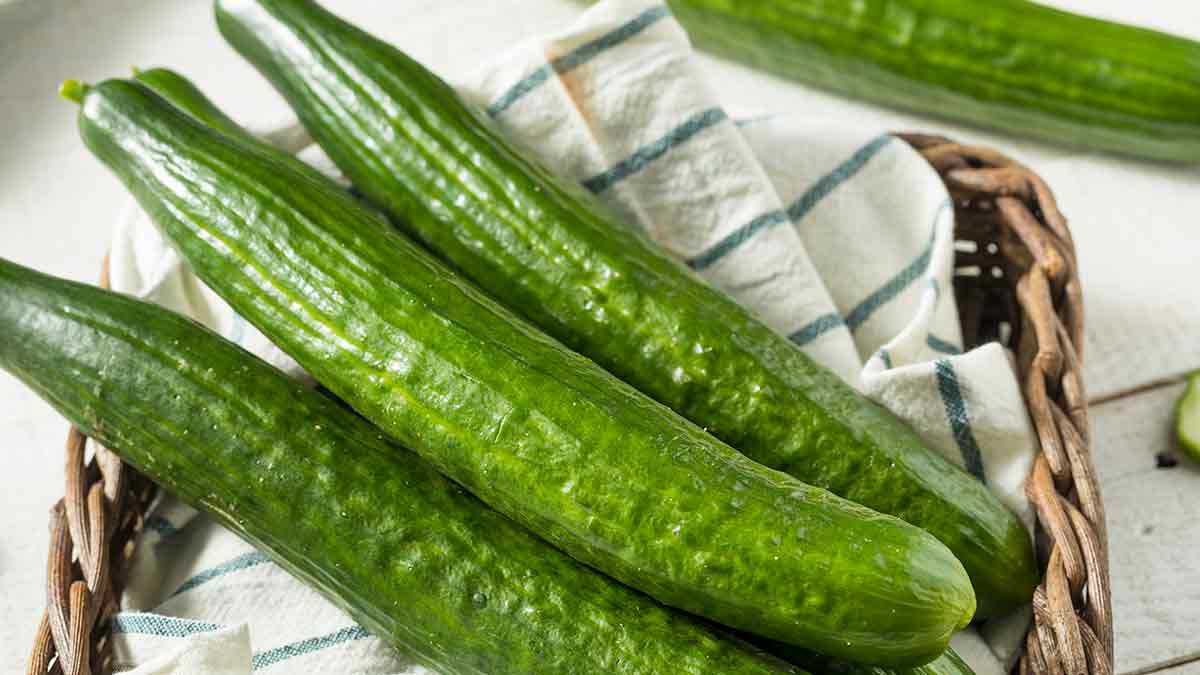
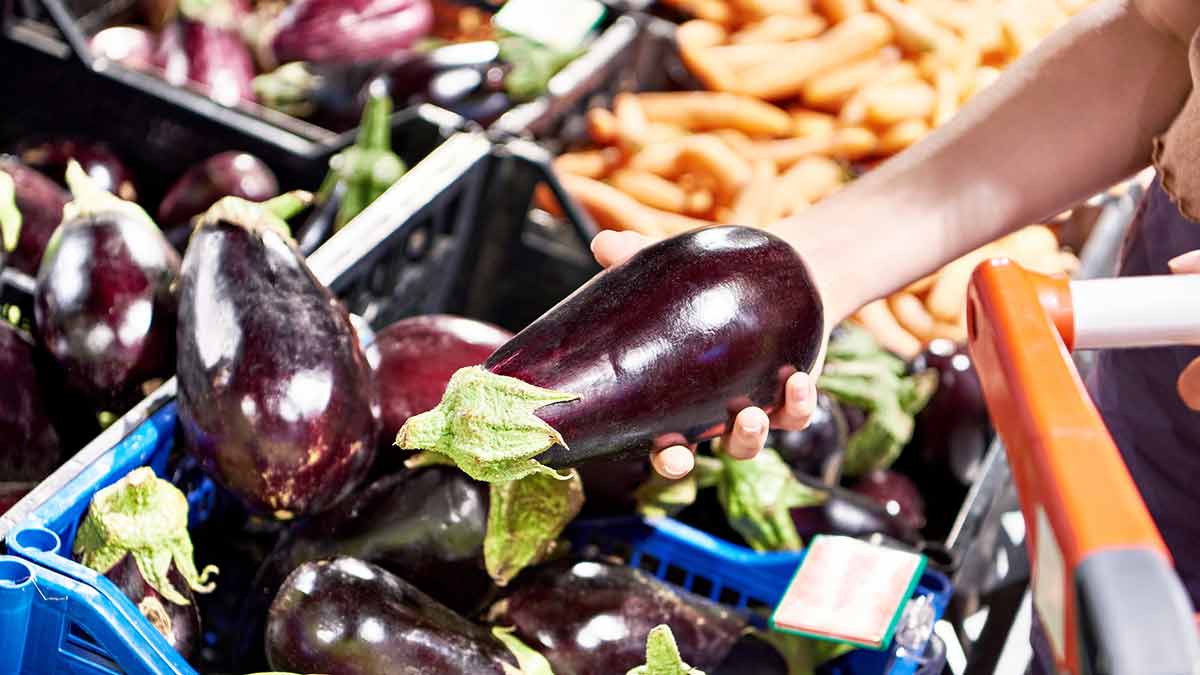
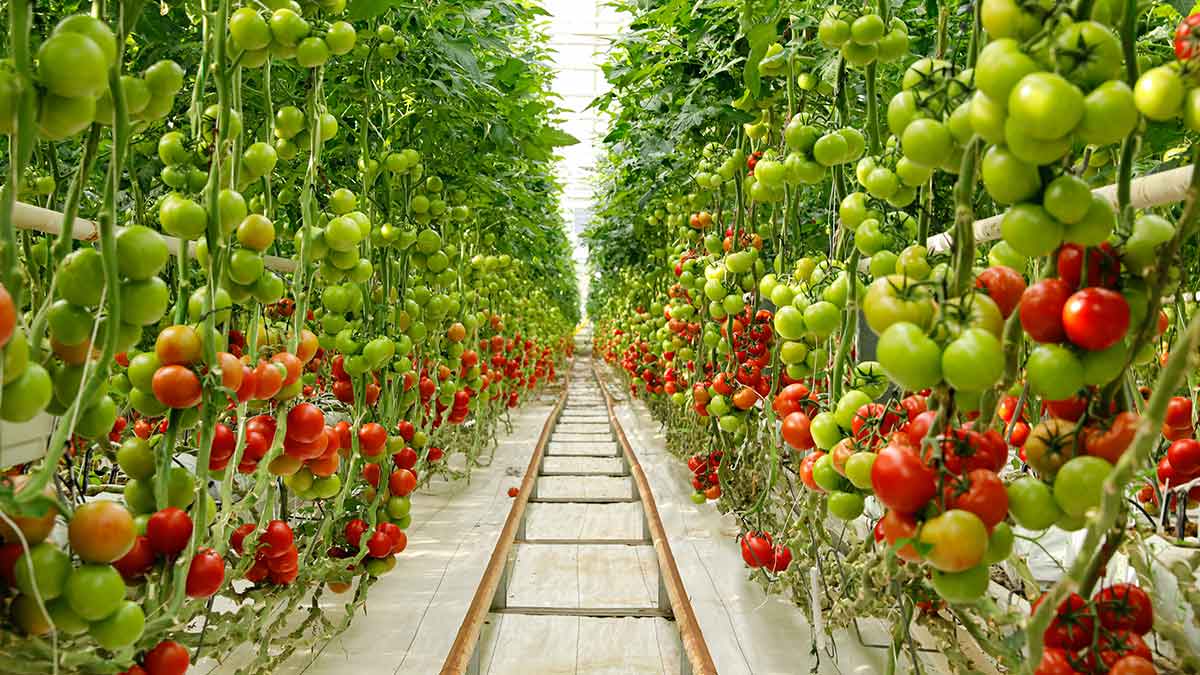
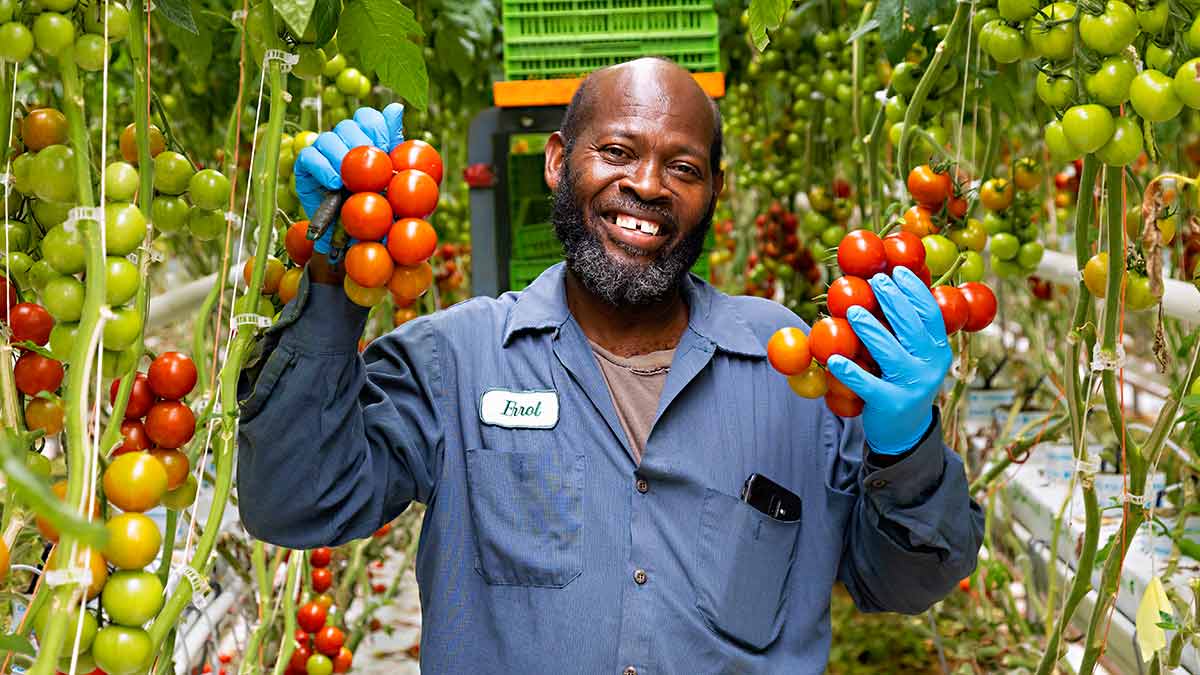
Canada’s greenhouse vegetable sector is dominated by tomatoes, cucumbers, and sweet peppers, which represent most of the greenhouse vegetable area and production. Lettuce and leafy greens, herbs, and some specialty crops such as beans, eggplants, and strawberries are also grown commercially in greenhouse systems. In addition, some producers grow microgreens, young vegetable greens harvested at an early stage, within a greenhouse or indoor systems.

Fun Fact:
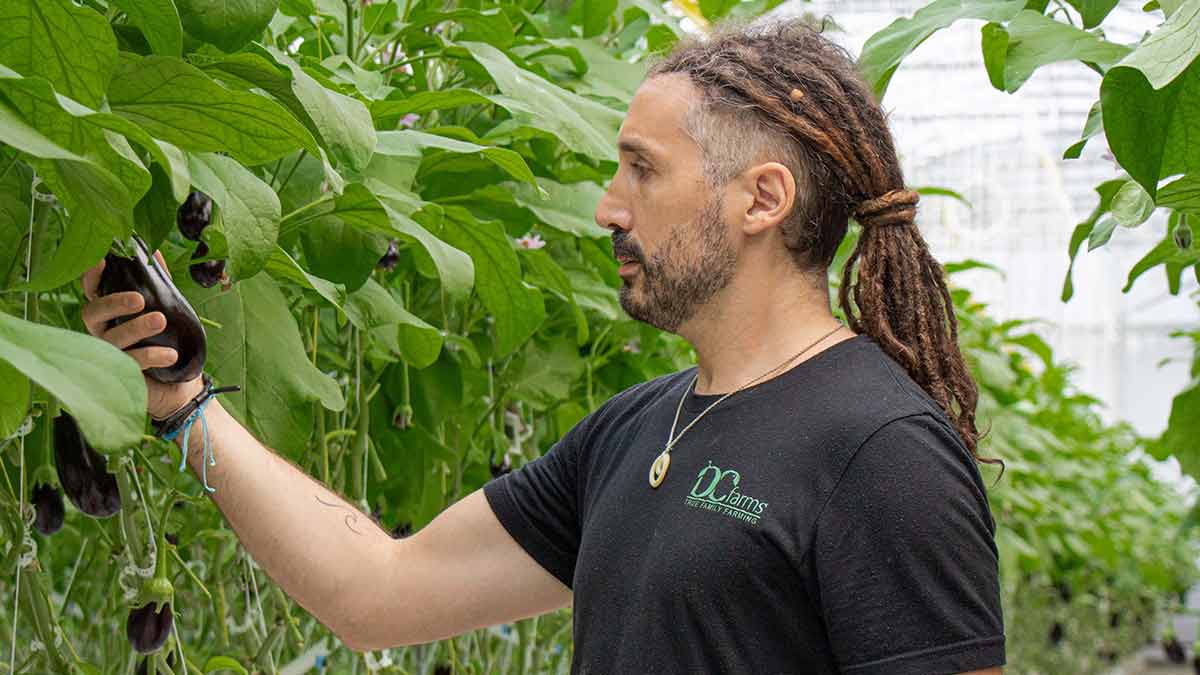
Eggplants aren’t grown as widely as other greenhouse vegetables, although this is growing, with production mainly in Ontario; they can be produced in greenhouses where the climate and infrastructure support this crop.
What this means for you
If you buy Canadian greenhouse vegetables, you may be accessing tomatoes, cucumbers, peppers, lettuce, herbs, strawberries, eggplants, and microgreens for more months of the year than outdoor field production alone can provide in Canada’s climate.
Gardening


How do greenhouses manage light, temperature, and water?
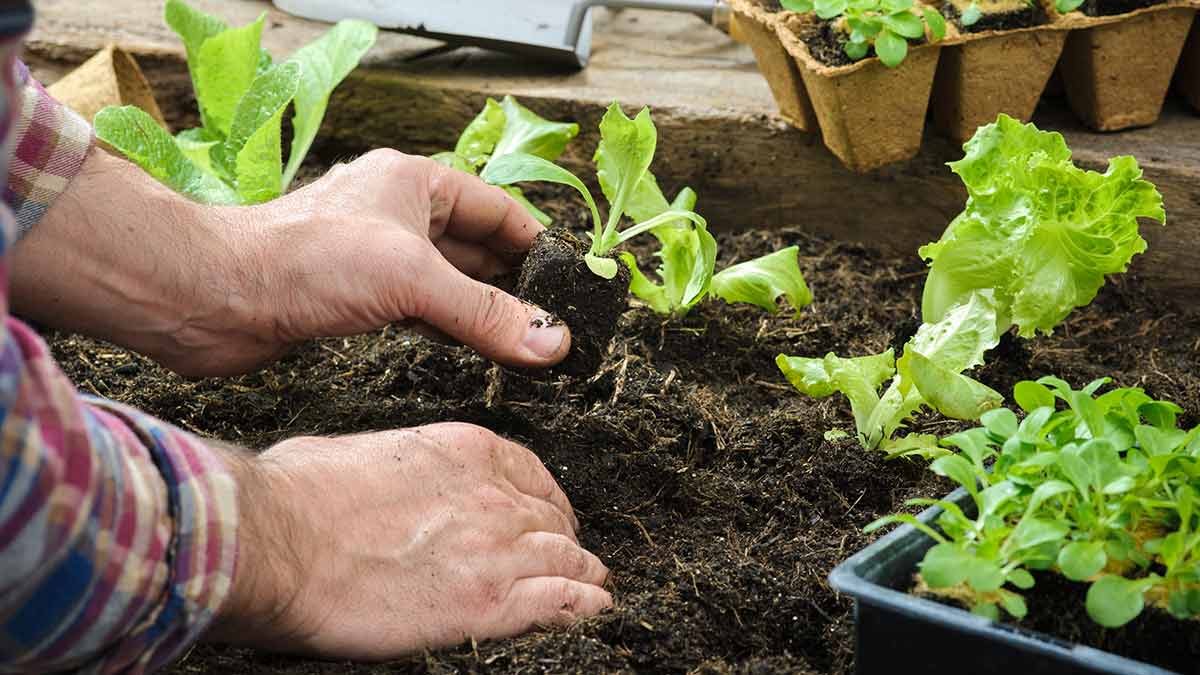
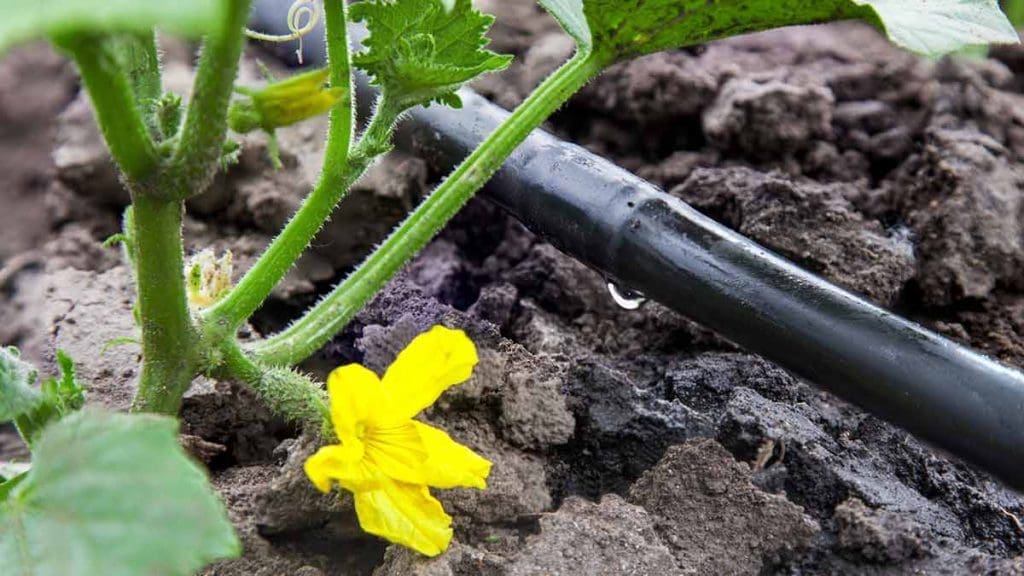
Commercial greenhouses use heating, ventilation, shading, and sometimes supplemental lighting to keep conditions within a range that supports plant growth and quality. Heating is often generated using natural gas or other energy sources and is used when outdoor temperatures are low. Producers use shade screens and ventilation openings to help prevent excessive temperatures in warmer periods. Many operations use drip irrigation systems that deliver water and nutrient solution directly to each plant’s root zone through tubes and emitters, improving efficiency and reducing runoff compared to less targeted methods.
“Drip irrigation” is a method where water is applied in small amounts directly to the base of each plant, rather than sprinkling a larger area.
“Supplemental lighting” refers to artificial light—often LEDs or high‑pressure sodium lamps—used to extend day length or increase light intensity when natural sunlight is not sufficient, particularly in winter and shoulder seasons. Many greenhouses also collect, recirculate, or treat irrigation water and nutrient solution to increase water‑use efficiency.
What this means for you
Greenhouse vegetables are produced in settings where temperature, light, water, and nutrients are actively managed, which helps support consistent quality and yield in Canadian conditions.
How do greenhouse farms manage pests and diseases?
Greenhouse growers commonly use integrated pest management (IPM) to address insect pests and plant diseases. IPM combines several tools: frequent monitoring of crops, setting action thresholds, using biological control agents (like beneficial insects or mites) where effective, and applying pesticides or other treatments only when necessary and according to label and regulatory requirements. The enclosed nature of a greenhouse can reduce some pest pressure, but it can also create conditions where pests or diseases can spread quickly if not monitored.
“Integrated pest management (IPM)” is a decision framework that manages pests in an effective and responsible way by using monitoring data, natural enemies, and targeted interventions. “Biological control” involves using living organisms such as predatory insects or parasitoids to help keep pest populations below damaging levels.
What this means for you
Greenhouse operators follow pest‑management programs that are designed to protect crops and comply with Canadian regulations on pesticide use and residues; before being sold, products must meet established residue limits.
How does greenhouse vegetable production affect the environment?
Greenhouse systems produce high yields per unit of land because growing conditions are optimized; in some cases, yields can be many times higher than comparable field production for the same crop. Environmental considerations for greenhouse production include energy use for heating (and sometimes lighting), water use and treatment, and use of materials such as plastics and substrates. The sector is working on improvements such as higher‑efficiency heating systems, heat recovery, alternative energy sources, and more advanced water‑recycling technologies, but environmental performance varies by region, energy source, and facility design.
What this means for you
Greenhouse vegetables provide a reliable supply of produce from a relatively small land base. Greenhouse growers continue to improve environmental considerations related to energy, water, and materials. Many operators actively invest in technologies to improve efficiency and reduce environmental impacts.
Innovation and Farm Stories



How are greenhouse vegetables kept safe to eat?
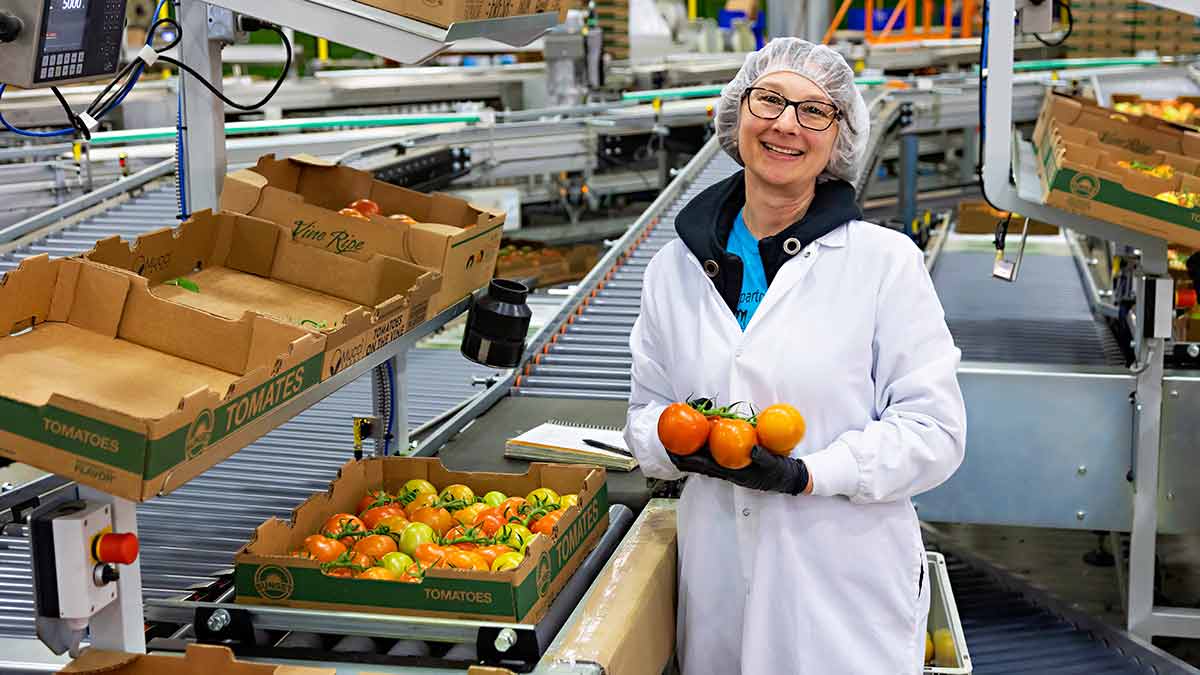
Food‑safety practices in greenhouses are similar in many respects to those used for other fresh produce. Farms use clean water sources for irrigation and washing, implement hygiene protocols for workers (such as hand‑washing, appropriate clothing, and illness policies), and clean and sanitize harvest containers, tools, and equipment. Greenhouse vegetables are subject to food‑safety regulations and oversight under frameworks such as the Safe Food for Canadians Regulations and provincial requirements, just like other produce.
Some greenhouse operations also participate in third‑party Good Agricultural Practices (GAP) or similar certification programs, which set out documented requirements and auditing procedures for managing food‑safety risks on farms. GAP guidelines cover topics such as water quality, worker hygiene, manure and compost use, and traceability.
What this means for you
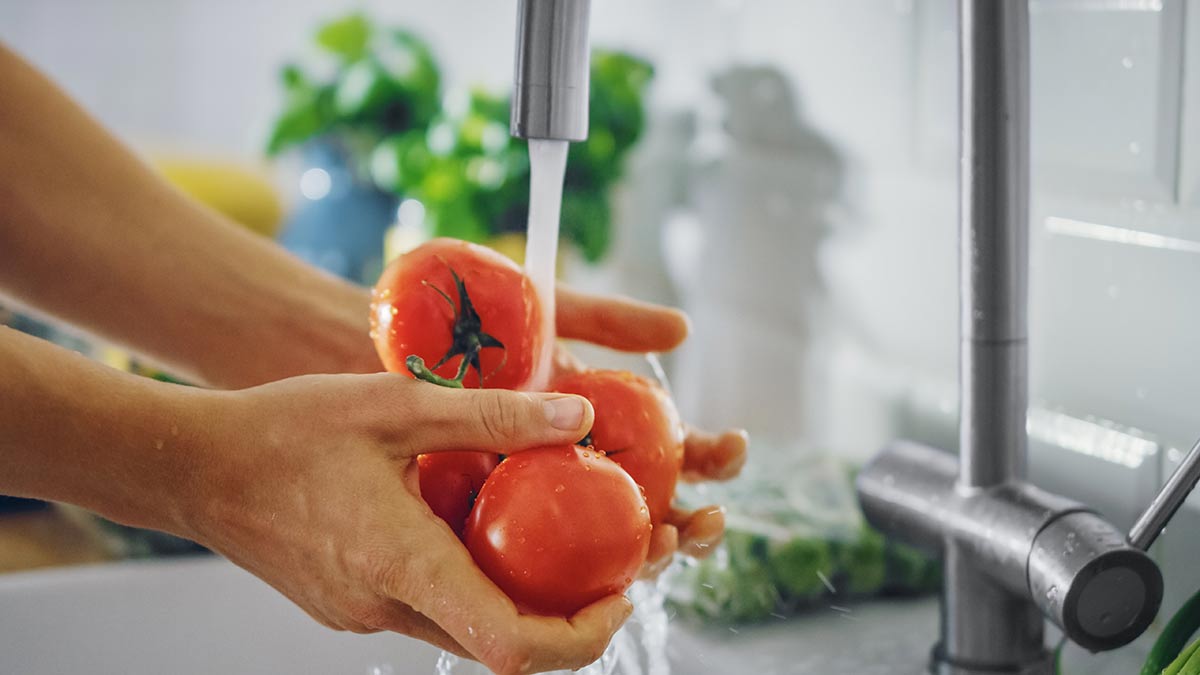
Canadian greenhouse vegetables are produced under food‑safety requirements and on‑farm practices that aim to reduce contamination risks; rinsing and handling produce safely at home are still important final steps before eating.
Why are Canadian greenhouse vegetables sometimes more expensive than imported ones?
Production costs in Canadian commercial greenhouses can be higher than in some competing regions because of factors such as energy prices, labour costs, capital investments in structures and technology, and compliance with Canadian regulations and certification programs. Heating a greenhouse through Canadian winters, investing in automation, and meeting domestic standards for labour and environment all contribute to the costs of production.
Greenhouse farms must recover these costs in a competitive market that includes imported vegetables from regions with different climates, labour markets, and regulatory frameworks. Retail prices also reflect logistics, supply contracts, and retailer strategies.
What this means for you
Price differences between Canadian greenhouse vegetables and some imported products reflect underlying differences in climate, energy and labour costs, investment in infrastructure, and regulatory requirements, as well as brand and retailer decisions.
How can I make more confident choices about greenhouse vegetables?
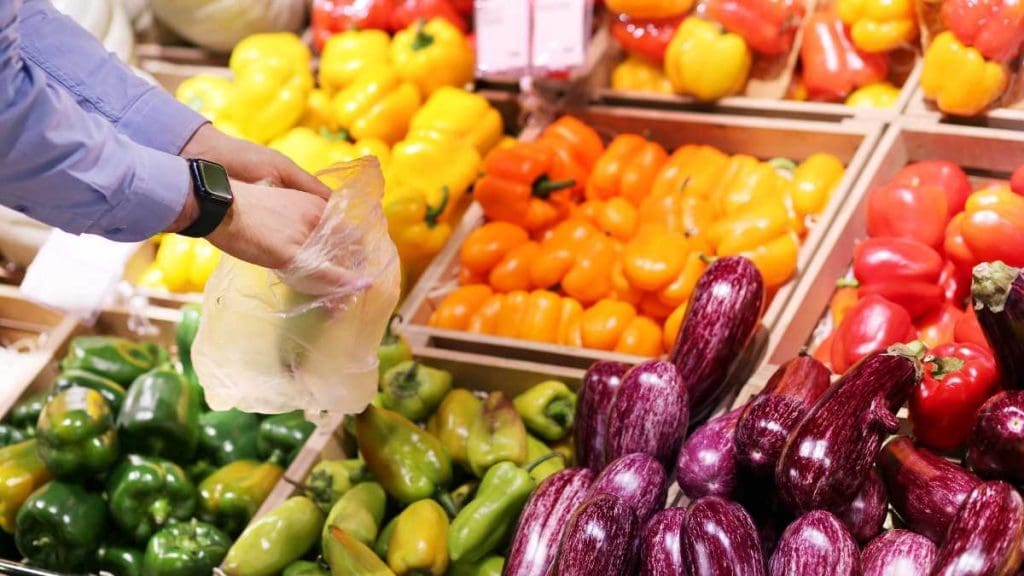
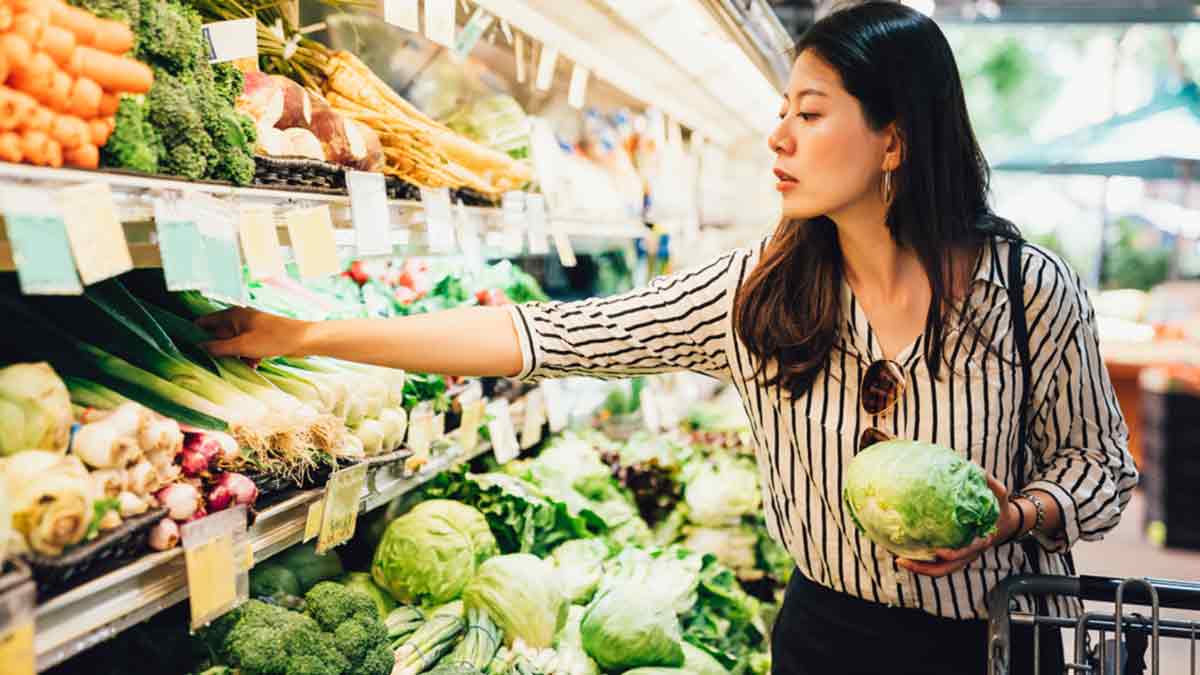
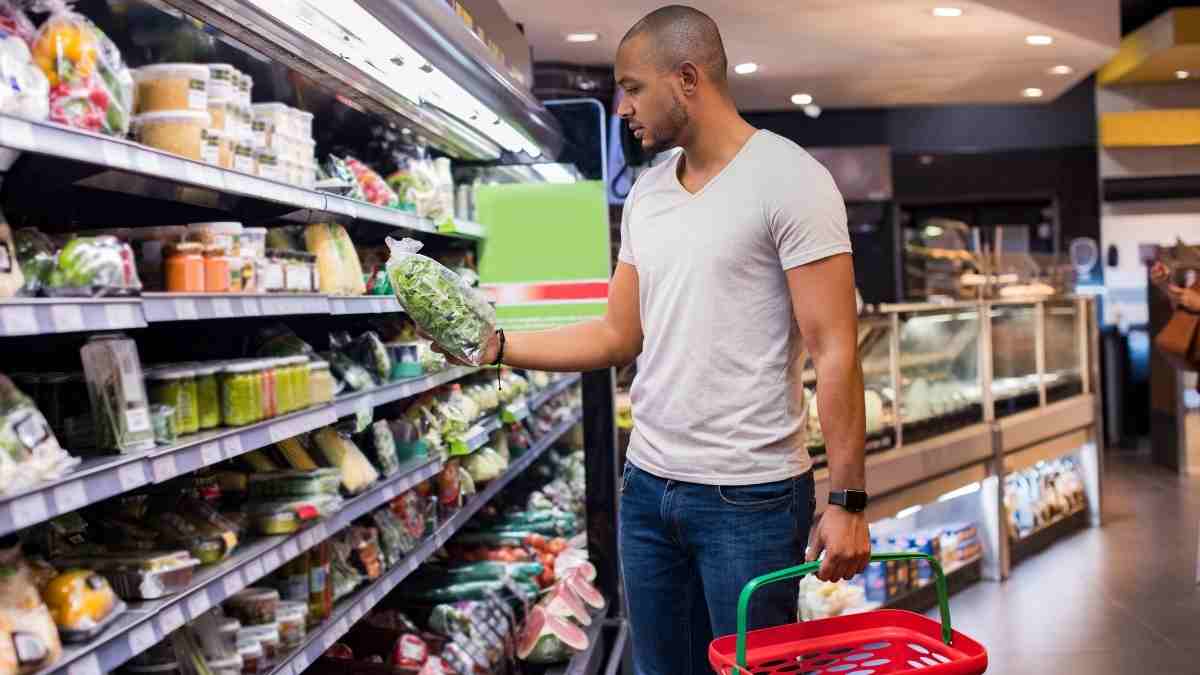
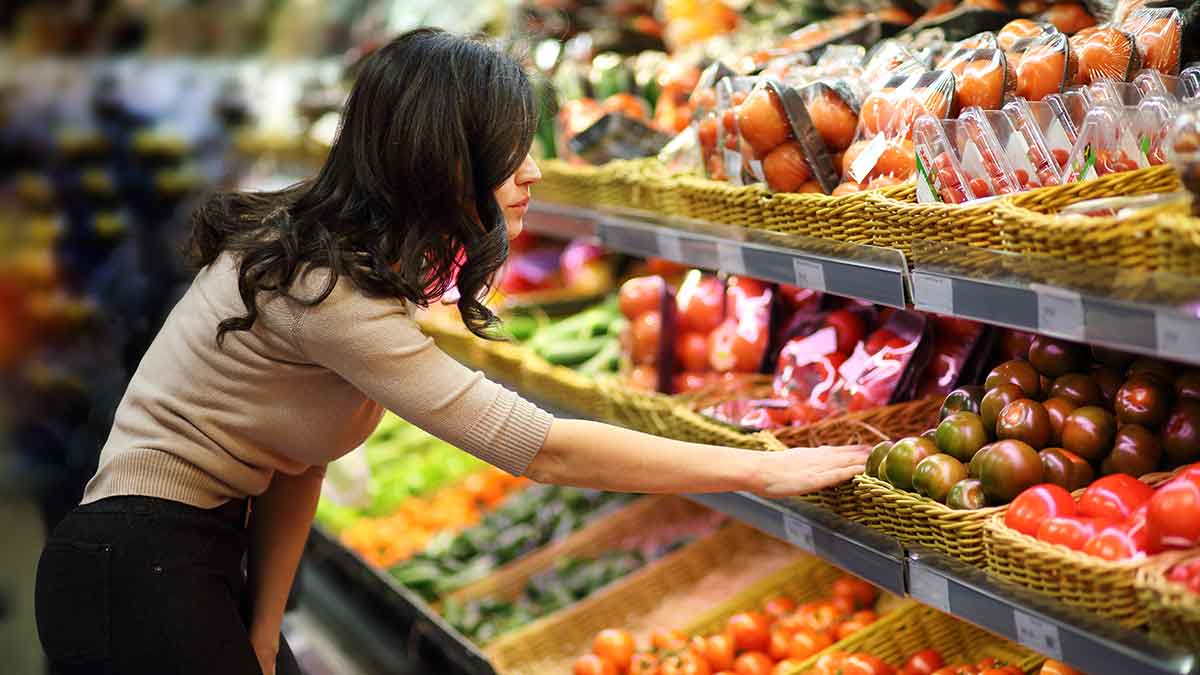
If you want to understand more about greenhouse‑grown vegetables when shopping, there are a few practical steps available on the label and in the product section. You can look for “Product of Canada” or province‑specific branding to identify domestic products where available. Some packaging or store signage also notes “greenhouse‑grown,” which can indicate the production system. You can select produce that appears fresh, firm, and free of visible damage, and store vegetables according to any provided guidance or standard home‑storage recommendations.
If you prefer to prioritize Canadian greenhouse vegetables when possible, you can consider origin information, season, and your budget, and you can look up information in our What’s in Season chart.
What this means for you
Understanding basic facts about greenhouse farming like where it occurs, how conditions are managed, and how safety is addressed, can make it easier to interpret labels on produce available at the grocery store.
Food & Health Labels






Key takeaways
Commercial greenhouses grow vegetables in controlled environments, mainly in southern Ontario, BC’s Fraser Valley, and parts of Quebec and other regions with good market access.
Technology is used to manage temperature, water, light, and pests, supporting high yields per unit of land and extended growing seasons compared with open‑field production.
Greenhouse vegetables are produced under Canadian food‑safety regulations and often under additional certification programs, and pricing reflects production costs, energy, labour, and market conditions.
Check Out These Related Articles



 Seasonal Apples and Your Grocery Budget in Canada
