
Apples are a good example of how seasonal produce and storage can affect what you see at the grocery store, how much you pay, and how much food ends up going to waste. In Canada, apples are harvested in late summer and fall, then stored in refrigerated or controlled-atmosphere rooms so they can be sold for many months afterward. That means you might see Canadian apples on the shelf for much of the year, but prices, promotions, and quality can shift with the season and with how long the apples have been in storage. This guide is not about perfection; it is about a few small, realistic habits that can help you make the most of seasonal apples, spend your grocery dollars wisely, and throw out less fruit.
When Are Apples Most Available in Canada?
In Canada, most apples are picked from late summer through fall, roughly from August to November, depending on the variety and province. After harvest, many apples go into refrigerated or controlled-atmosphere storage, where temperature and oxygen levels are carefully managed to slow ripening and help keep apples firm and flavourful. Because of this storage system, Canadian-grown apples can often be available into late spring or early summer, although availability depends on the variety, crop size, and how quickly they are sold.
A few high-level patterns you might notice over the year:
- Late summer and fall: Freshly harvested local apples show up, especially in apple-growing provinces like BC, Ontario, Quebec, and the Atlantic region.
- Fall and early winter: Many stores highlight local apples in displays, and you may see more bagged apples and multipack promotions.
- Late winter into spring: Apples in stores are more likely to be from storage, and depending on the year, you may see a shift in varieties or increased imports as Canadian supplies decline.
For an overview of when apples show up alongside other fruits and vegetables, you can check the “What’s in Season in Canada” guide on Canadian Food Focus.
Are Apples Really Cheaper in the Fall?
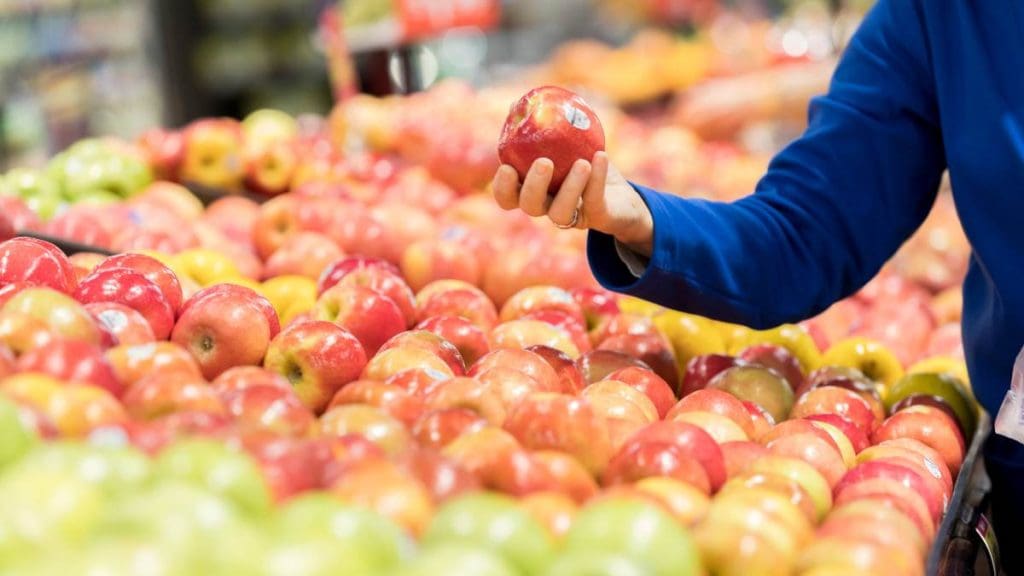
When a crop is in peak season and supply is high, prices and promotions can often be more favourable, but real-life prices still vary by store, region, and product format. For apples, this can mean that in many Canadian stores you may see attractive pricing and more frequent promotions in the main harvest months, especially in provinces where apples are grown locally. Retail analyses suggest that in-season Canadian fruit, including apples, can be less price-volatile compared with out-of-season imports, but that still doesn’t guarantee a specific price on any given week.
Some patterns you might notice (with the usual caveats):
- Fall focus: Fresh local apples are more likely to be featured and promoted during fall harvest, especially in regions close to orchards.
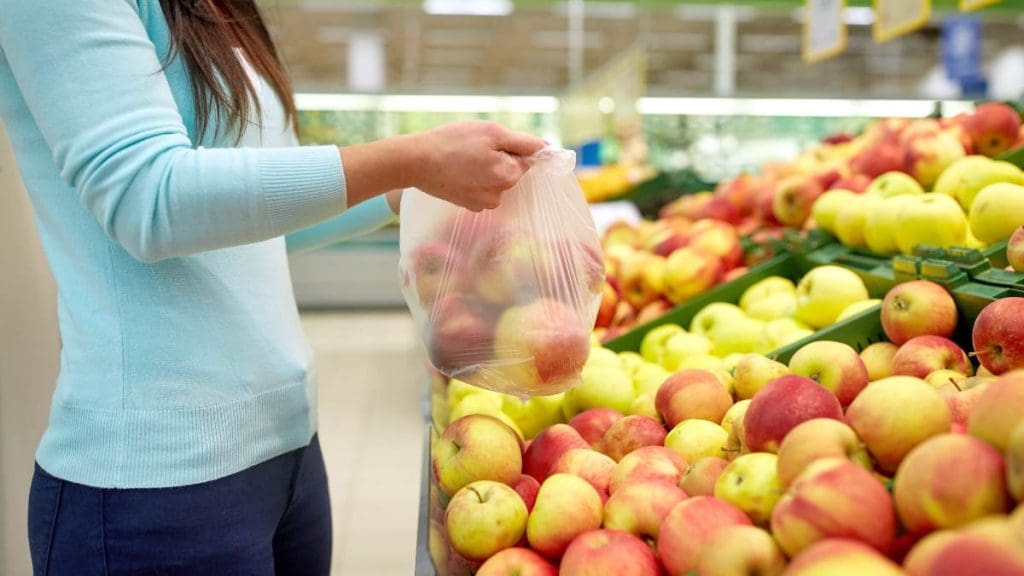
- Format differences: Bagged apples are often priced more favourably per kilogram than loose apples, and private-label or store brands can be less expensive than branded bags.
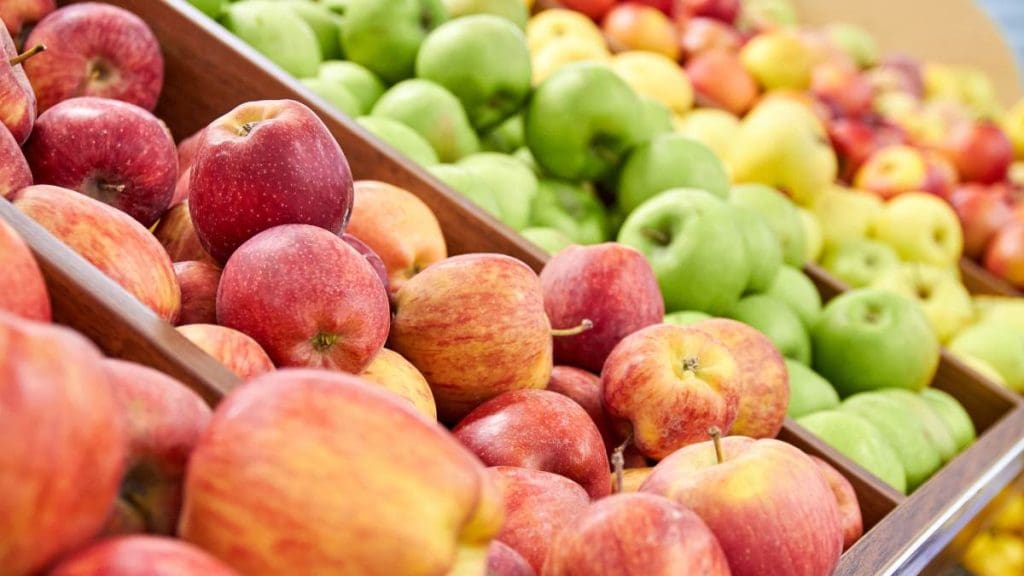
- Variety differences: Some newer or specialty varieties can carry higher prices than classic varieties, especially early in the season or when supply is limited.
Because of all these moving pieces, it is safest to say that seasonal apples can often support your budget, but you will still want to compare unit prices and watch weekly promotions rather than assuming all “local” apples are automatically cheaper.
Practical tips for grocery buyers:
- Watch weekly flyers and loyalty apps, especially in late summer and fall, to spot apple promotions at your usual stores.
- Compare unit prices (price per kg or per 100 g) between loose apples, bagged apples, and multipacks so you know which option actually stretches your budget.
- Consider store brands or “imperfect” apples if your store offers them and you plan to use the apples in baking, sauce, or smoothies.
- Remember that a lower price is only helpful if the apples actually get eaten; balance deals with how much your household will realistically finish.
How to Plan with Seasonal Apples to Save Money
Plan Meals Around What’s in Season
Instead of starting with a long list of recipes, it can help to take 30 seconds to see what produce is in season or on special and then build one or two meals around that. When apples are highlighted in flyers or “What’s in Season” produce lists, you might pick one snack idea and one meal or baking recipe that use apples, so the fruit you buy has a clear job.
A simple planning routine could look like this:
- Check your store’s flyer and the “What’s in Season” page to see whether apples are being promoted this week.
- Decide on two apple uses: for example, sliced apples and cheese for snacks, plus a one-bowl apple crumble or muffin recipe on the weekend.
- Add the apples and any missing ingredients to your list, aiming for a realistic quantity based on your household and how many ways you plan to use them.


Use Apples Across Multiple Meals
One small bag of apples can stretch across several low-effort meals and snacks, which makes the purchase feel more worthwhile. Using the same fruit in a few different ways can also reduce decision fatigue during the week.
Check out the article – Apple Recipes: Sweet and Savoury Dish ideas and a sample “Apple a Day” meal plan for your busy work week.
Right-Size How Much You Buy
Buying a large bag of apples can be a good value per kilogram, but it only pays off if your household uses them before they spoil. The goal is not to stockpile as much as possible; it is to match how much you buy to how much you realistically eat in one to two weeks.
Questions to help you right-size:
- How many people in your household actually eat apples regularly?
- How many times per week do you picture using apples (snacks, breakfast, recipes)?
- Do you have room in the fridge crisper, and are you willing to freeze or cook any extras?
A practical rule of thumb is to start smaller—maybe a 3-lb bag or a few loose apples—and increase the amount once you know they are being used up consistently.
How Seasonal Apples Help Reduce Food Waste
Apples are often bought with good intentions, but they can end up bruised at the bottom of the fruit drawer or forgotten in a fruit bowl. Wasted apples mean wasted money, especially when grocery budgets are tight and food prices are top of mind for many Canadians. Building a few simple habits around storage and “use-it-up” recipes can help you get more value from each bag.
Common ways apples get wasted:
- Buying too many at once, especially when a big bag is on sale.
- Storing apples on the counter for too long, where they soften faster.
- Forgetting about softer apples that are still usable in cooked recipes.
Simple behaviours that cut waste and protect your budget:
- Store apples in the fridge crisper, ideally in a ventilated bag or container, rather than leaving them on the counter for long periods. Learn more about how to store apples and avoid food waste.
- Put apples you need to eat first toward the front of the drawer or in a visible spot so they are easy to grab.
- Use softer apples in cooked dishes like applesauce, muffins, baked oatmeal, or stewed apples instead of throwing them out.
- Freeze surplus apples before they become too soft, especially if you know you like to bake or make smoothies.
Quick Budget Checklist for Buying Apples
This checklist is designed so you can skim it before or during a grocery trip and feel more confident that your apple choices fit your budget and will actually be eaten.
- Check if apples are being promoted this week in your flyers or loyalty app.
- Compare unit prices (per kg) between loose, bagged, and multipack apples.
- Choose varieties that match how you plan to use them (snacks vs baking vs sauce) so they do not sit unused.
- Buy only what your household is likely to eat in about 1–2 weeks, based on your past habits.
- Store apples in the fridge crisper in a ventilated bag or container, away from other produce when possible.
- Put “use first” apples at the front and plan one simple recipe that uses up any softer apples toward the end of the week.
- If you find a great deal on a larger bag, set aside time to prep and freeze some of the apples for future smoothies or baking.
Check Out These Related Articles






 How to Store Apples to Cut Food Waste
