
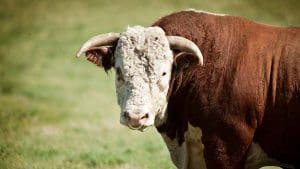
For a beef cattle farmer, taking good care of their animals is the number one priority. Vaccinating cattle is an important part of keeping cattle healthy and content.
Because of their outdoor environment, cattle can sometimes come into contact with pathogens, or agents that cause diseases. As in all species, including humans, vaccines help cattle’s immune systems learn to recognize and fight diseases before they encounter the real germs. This helps prevent illness, or if cattle do encounter disease pathogens, prepares their bodies to respond faster and makes the disease less severe.
Vaccination is one of several tools to keep beef cattle healthy. It works best alongside good management, nutrition, and preventive care. Good nutrition, clean environments, and disease prevention practices (known as ‘biosecurity’) also matter.
How Vaccines Work
Vaccines train the immune system by introducing harmless parts of a disease agent so the body can make antibodies and memory cells, which essentially give the immune system the ability to “remember” how to combat a particular disease if it comes along. When the animal later meets the real pathogen, its immune system can respond faster and more effectively. For example, antibodies can be circulating in the blood or present at surfaces like the nose and gut to stop infections early.
Withdrawal Times
Each vaccine used for cattle has a withdrawal time assigned to it, or a number of days that must elapse after the vaccine has been given to an animal before it can be harvested for beef. This withdrawal period ensures that there is no vaccine residue left in the beef from that animal.
To keep track of withdrawal times, farmers record what type of vaccine they gave to their cattle and the date so that they can make sure no cattle leave the farm before their withdrawal time is up. This is just one way farmers make sure the beef they produce is safe and healthy.
How Producers Give Vaccines
Each individual vaccine comes with instructions on how to use it safely and effectively, including how to actually deliver the vaccine to cattle. There are several routes of administration for cattle vaccines, but the most common method is called subcutaneous injection. This method involves using a needle to inject the vaccine just under the skin. Most modern vaccines are delivered this way because it prevents damage to the muscles that eventually become beef, keeping the steaks and roasts on our plates tender and tasty.
Farmers work with veterinarians to follow the instructions for each type of vaccine so that the protection cattle receive is as effective as possible.
Timing and Use Matter
Vaccines work best before animals are exposed to disease. Producers often vaccinate at strategic points before an animal experiences a physiological or environmental change, such as before calving or when bringing cattle home from pastures for the winter. This timing ensures animals have protection when it’s most needed.
It often takes a few weeks after vaccination for immunity to develop, and sometimes booster shots are required.
Proper Handling & Administration
To help vaccines work well, ranchers adhere to several guidelines:
- They follow the label instructions, which include timing, dose, safety, and withdrawal times.
- They keep vaccines at the right temperature and don’t mix different vaccines together.
- Ranchers use clean needles and proper equipment, and record which vaccines were given.
- They work with a veterinarian to design a vaccination plan that fits the herd’s specific environment and needs.
Source: https://www.beefresearch.ca/topics/vaccination-of-the-beef-herd/

 Beet Sauerkraut