
Fiddleheads are one of the most time-sensitive ingredients of the Canadian spring season. They usually show up for only a few weeks, and once that short window closes, fresh local fiddleheads are generally gone until next year.
That short season is part of what makes fiddleheads feel special, not complicated. If you know when to look for them, what to look for at the market, and how to use them quickly, they can be an easy and rewarding addition to your spring cooking. For the bigger picture on timing, regions, and safe preparation, start with our guide to fiddleheads in season in Canada.
When to Look for Fiddleheads
In Canada, fiddleheads are typically in season from May through early June, although the exact timing varies with region, weather, and spring temperatures. In milder areas, they can appear earlier, while in cooler or more northern regions, they may come a little later.
Because fiddleheads are highly seasonal and perishable, they do not have a long shelf life. If you enjoy planning meals around what is fresh and local, they are one of the clearest signs that spring has arrived. You can also browse the broader What’s in Season in Canada hub to see what else is peaking at the same time.




Where to Find Fiddleheads in Canada
Fresh fiddleheads are most likely to show up at farmers’ markets, roadside stands, and some speciality or independent grocers during the peak spring season. In some regions, especially where fiddlehead foraging is part of local food culture, they may also appear in select grocery stores for a short time.
Availability is not the same across the country. Some shoppers may see them regularly in places like New Brunswick, Prince Edward Island, southern Quebec, or southern Ontario, while others may need to seek them out more deliberately. If you want more context on their regional roots, The History of Fiddleheads in Canada gives helpful background.
Frozen fiddleheads are another option if you miss the fresh season. They are not the same experience as buying them in peak spring, but they can still be useful in cooked dishes later in the year.
What to Look for When Buying
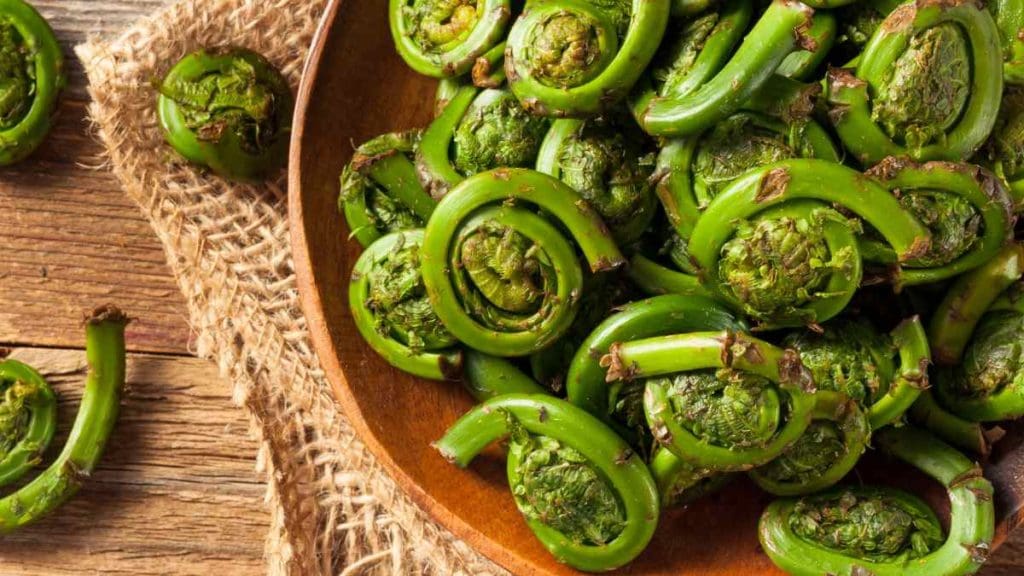
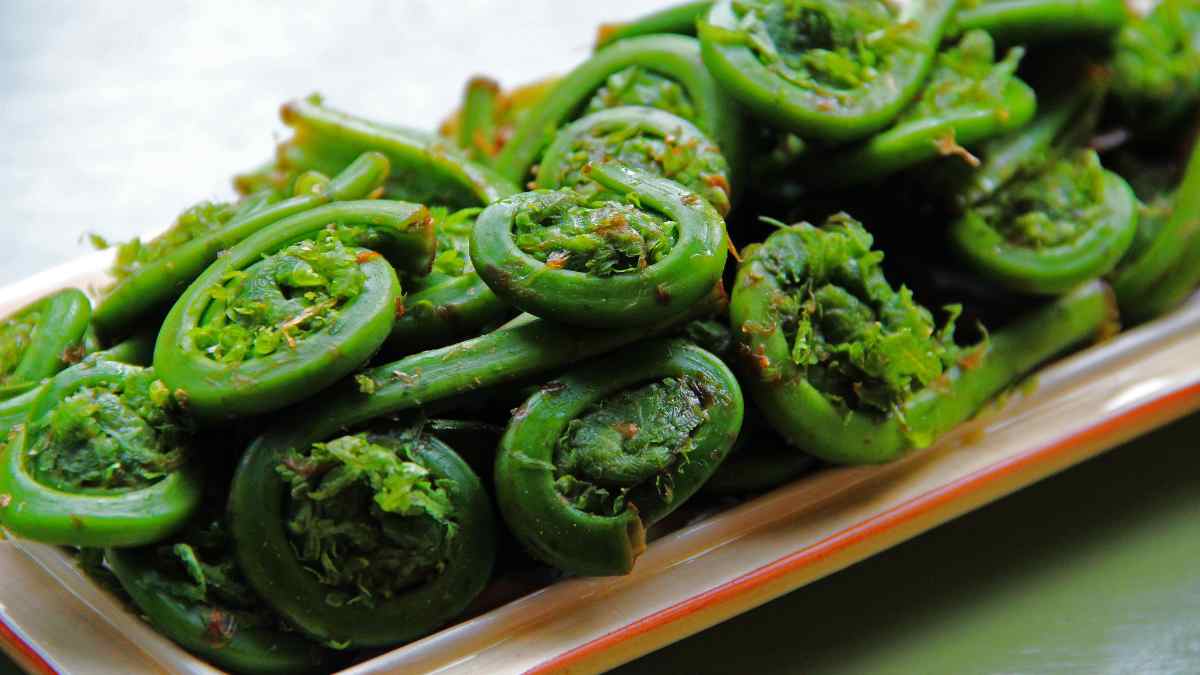
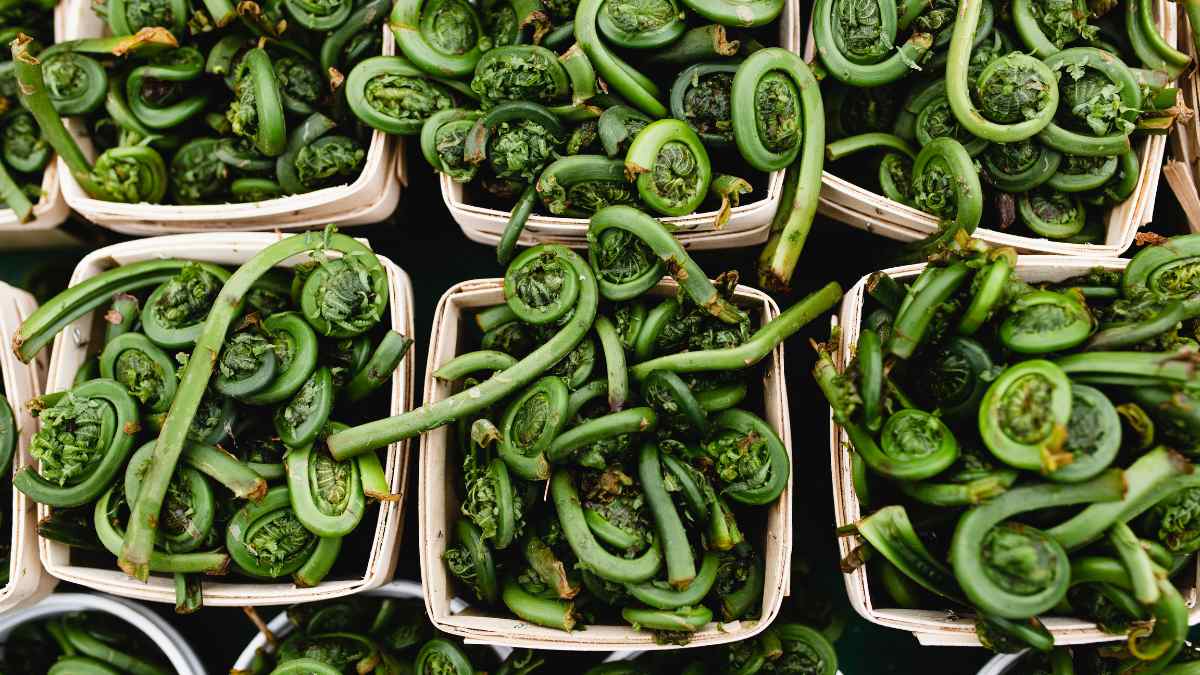
When buying fresh fiddleheads, look for coils that are small, firm, bright green, and tightly curled. A short stem is normal, but you do not want bunches that look limp, yellowed, slimy, or overly open.
At a farmers’ market, you can often ask when they were picked and how they were stored. In a grocery setting, pay closer attention to freshness cues like colour, firmness, and whether the coils still look tightly wound. If they look tired, soft, or dried out, it is better to pass and wait for a fresher batch.
How to Use Them Before They Disappear
Fiddleheads are best treated like a short-term seasonal purchase, not something to leave in the fridge and deal with later. If you buy them, it helps to have a simple plan in mind so they get used within a few days.
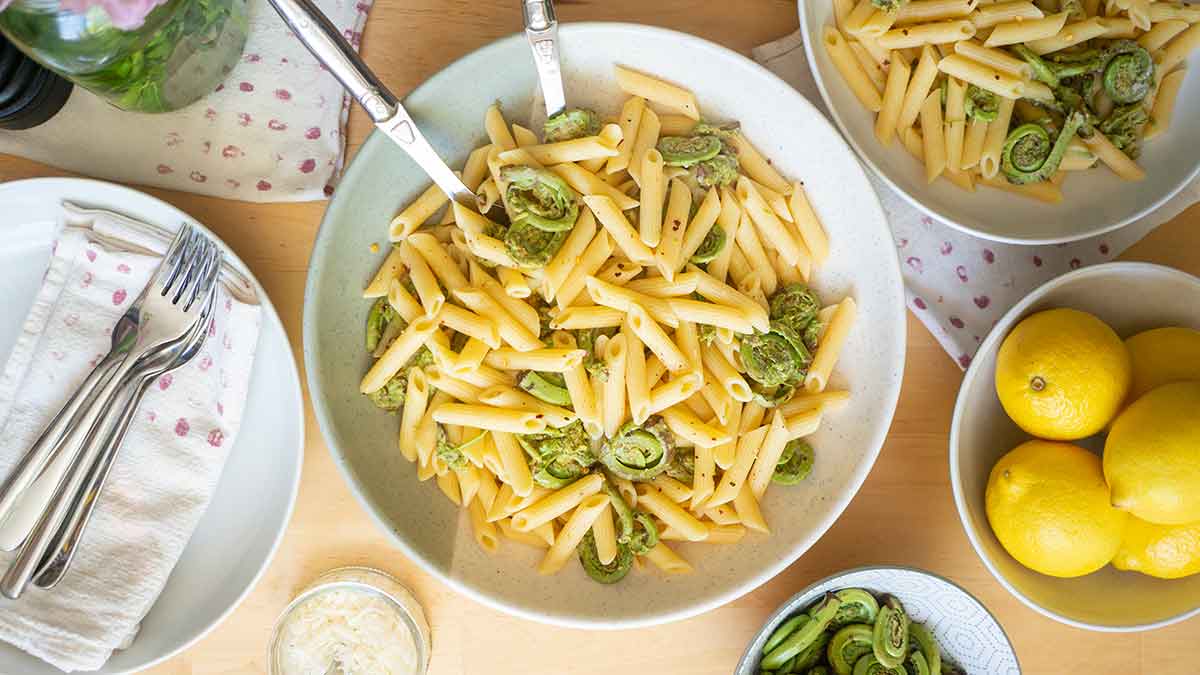
A good approach is to decide on one or two meals before you buy. You might serve them as a side dish with lemon and butter, fold them into a spring pasta, or add them to eggs for a quick weekend meal. If you need a refresher on safe prep first, read A Step-by-Step Guide to Cook Fiddleheads Safely.
Once they have been properly cleaned and fully cooked, fiddleheads are easy to add to simple dishes. Classic Canadian Dish: One-Pot Fiddlehead Pasta is a good place to start, and these 8 Fiddlehead Recipes for Spring are useful if you want a few more ideas lined up before you shop.
Freezing as a Strategy
If you find a good batch during peak season, it can make sense to buy extra and freeze some for later. That approach works especially well if fiddleheads are not always easy to find where you live, or if you want to enjoy them beyond their short spring window.
Start by cleaning them well and following safe preparation guidance before freezing. Because food safety matters with fiddleheads, freezing should not be treated as a shortcut around proper cooking. If you are unsure about the sequence, go back to the step-by-step cooking guide before prepping a larger batch.
Frozen fiddleheads are best saved for cooked dishes later on, such as pasta, soups, or warm vegetable sides. They can be a practical way to hold onto a little of spring, especially if you enjoy cooking seasonally.
A Quick Seasonal Shopping Checklist
Check farmers’ markets, roadside stands, and speciality grocers in May.
Look for tight coils, bright green colour, and firm texture.
Skip bunches that look yellowed, slimy, soft, or overly open.
Plan to use fresh fiddleheads within a few days of buying them.
Have a recipe or meal idea in mind before you bring them home.
If you find a great batch, consider buying extra to freeze for later.
Always follow the food-safety steps on our fiddleheads in season in Canada page or in the full cooking guide.
Common Questions
It depends on where and when you buy them, fiddleheads are often a bit more expensive than ‘regular’ vegetables because they are generally hand-picked and in demand because the season is so short. At peak season in May, fresh fiddleheads are generally comparable in price to other seasonal speciality vegetables and buying at the right moment from the right source makes a meaningful difference. Farmers’ markets and mainstream grocery stores during peak season tend to offer the best everyday value, while urban speciality grocers and online retailers, particularly outside of the harvest window, can charge significantly more for the same ingredient. The most reliable way to get good value is to buy directly from a local market or forager at the height of the season, use them within a few days, and consider picking up a second batch to blanch and freeze while supply is strongest.
Yes, freezing can be a smart option during peak season. The important thing is to handle them safely first and not treat freezing as a replacement for proper cleaning and cooking. Learn more in Step-by-Step Guide to Cook Fiddleheads Safely.
That is normal in many parts of Canada. Farmers’ markets, speciality grocers, and regional stands are often the best places to check, and frozen fiddleheads may be easier to find outside the spring window.
A simple side dish or pasta is often the easiest place to start. Once you are comfortable with the prep, you can branch out into grain bowls, egg dishes, or other spring meals. Check out these 8 spring fiddlehead recipes for inspiration.

A simple side dish or pasta is often the easiest place to start. Once you are comfortable with the prep, you can branch out into grain bowls, egg dishes, or other spring meals. Check out these 8 spring fiddlehead recipes for inspiration.
Check Out These Related Articles




 FAQs About Fiddleheads in Season in Canada
