
Short seasons, late frosts, and sudden temperature swings are normal in many parts of Canada, which can make growing vegetables and herbs at home feel unpredictable. Commercial greenhouses use advanced structures and technology to protect crops from the weather, but you do not need that level of investment to get some of the same benefits at home. Simple structures like cloches, low tunnels, cold frames, and windbreaks can help protect plants, extend the season slightly, and improve results on balconies or in small yards. This article explains what these structures are, when they are useful, and how they relate to what commercial greenhouse growers are doing on a larger scale.
What are cloches, and when do they help?
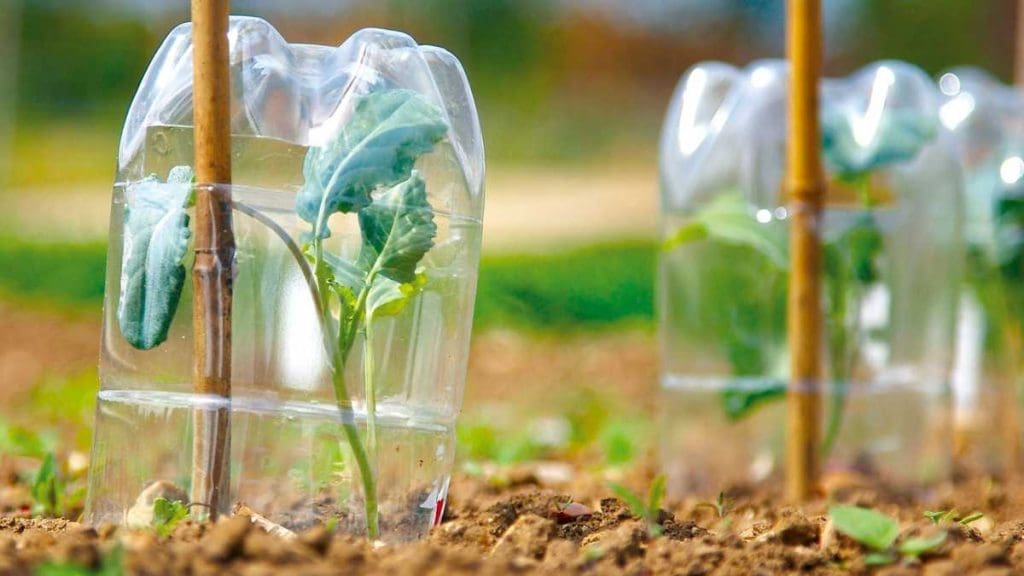
A cloche is a small, clear cover placed over an individual plant or a small group of plants to protect them from cold, wind, and sometimes insects. “Cloche’ is the French word for bell, which describes the shape for most of these covers. Cloches can be as simple as a cut‑off clear plastic bottle placed over a seedling, or purpose‑made plastic or glass domes sold at garden centers.
Cloches are most useful for:
- Protecting very young seedlings from cool nights and wind in spring.
- Helping warm the soil a little faster around individual plants such as early lettuce, herbs, or small tomato seedlings in containers.
- Shielding tender plants from wind or a light, unexpected frost.
What this means for you
Cloches are a low‑cost way to protect a small number of plants during early or late parts of the season, especially in containers or small beds, without building any permanent structure.
Gardening



What is a low tunnel, and how is it different from a full greenhouse?
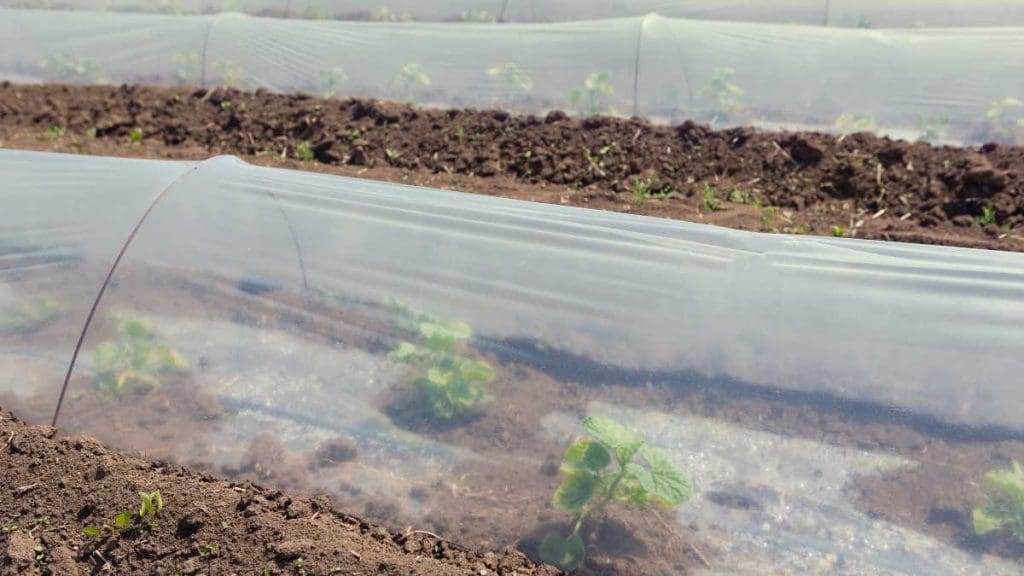
A low tunnel, sometimes called a hoop house, is a series of hoops, often made from wire, plastic, or flexible pipe, covered with plastic film or fabric, forming a short tunnel over a row or small bed. It usually stands less than one metre high and is designed to protect plants from cold, wind, and sometimes pests while allowing air and light to enter. Unlike a full greenhouse, a low tunnel is temporary, does not have rigid walls or doors, and is generally used over one bed or row at a time.
Low tunnels are useful for:
- Covering rows of leafy greens, radishes, or carrots to get a slightly earlier start in spring.
- Protecting fall crops from early cold to keep them harvestable a bit longer.
- Adding a layer of protection for warm‑season crops during cool nights.
What this means for you
If you have a raised bed or a narrow garden strip, a low tunnel can offer many of the benefits of a greenhouse like frost and wind protection, at a fraction of the cost and complexity.
What is a cold frame, and when is it worth building one?
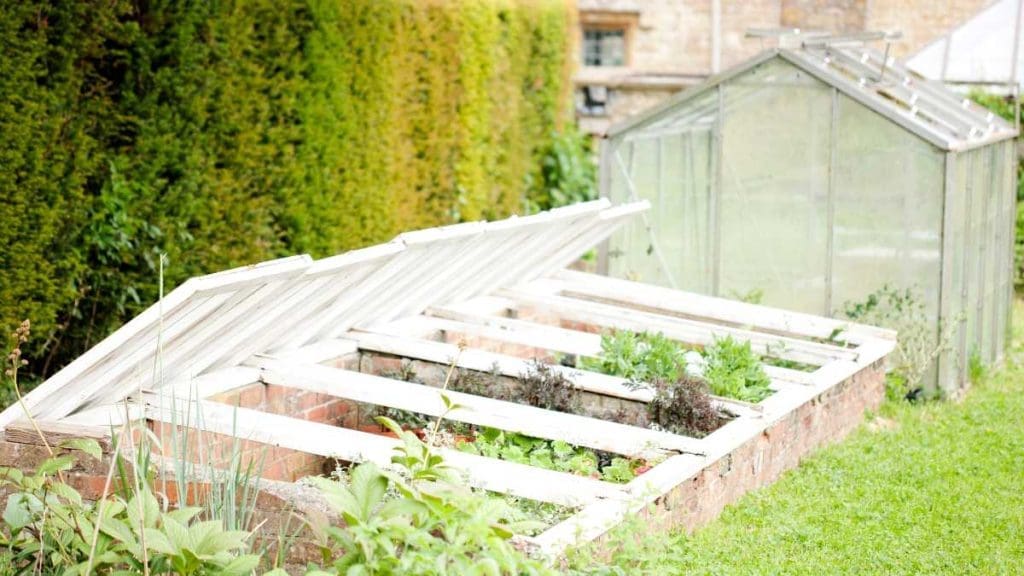
A cold frame is a low, box‑like structure with transparent or translucent lids on top, often built from wood or other sturdy materials with an old window or clear panel for the roof. It is usually placed directly on the ground or over a small bed and can be opened or closed to control temperature and airflow.
Cold frames are particularly useful for:
- Hardening off seedlings, which means transitioning them from indoors to outdoor conditions in spring.
- Growing cool‑season crops such as lettuce, spinach, and some herbs, earlier in spring and later into fall.
- Protecting small plants from wind and temperature swings in exposed locations.
What this means for you
A cold frame requires more effort to build than a cloche or low tunnel, but it is durable and can be reused each year for starting plants early, hardening them off, and extending the harvest period for cool‑season crops.
Food & Health





How can simple windbreaks help on balconies and in open yards?
Wind can cause damage, as well as drying and temperature stress for plants, especially in containers and exposed locations such as balconies or open yards. Simple windbreaks such as lattice panels, fabric screens, or even a row of larger pots, can significantly reduce wind speed around plants without blocking light.
Practical windbreak options include:
- On balconies: using balcony rail panels, trellises with climbing plants, or fabric screens to reduce direct wind on container vegetables and herbs.
- In backyards: placing raised beds near fences, or adding temporary mesh or snow‑fence style barriers upwind of beds.
- Around larger containers: grouping pots together so they shelter each other from wind.
What this means for you
Windbreaks are often overlooked but can improve plant survival and reduce water stress, especially for container plants and seedlings in Canadian conditions where winds can be strong and drying.
Which structure should I choose for my situation?
Different structures are suited to different spaces and goals.
For small balconies or patios:
- Cloches or clear covers over individual pots.
- Simple windbreaks to reduce wind on containers.
For small raised beds or narrow garden strips:
- Low tunnels for early or late‑season protection.
- A small cold frame for starting and hardening off plants.
For slightly larger yards:
- One or two cold frames for early greens and seedlings.
- A combination of low tunnels and windbreaks around key beds.
What this means for you
You do not need to build a full backyard greenhouse to benefit from weather protection. Matching a simple structure like a cloche, low tunnel, cold frame, or windbreak to your space and goals can give noticeable improvements in plant growth and season length.
Greenhouse Farming




How does this relate to commercial greenhouses?
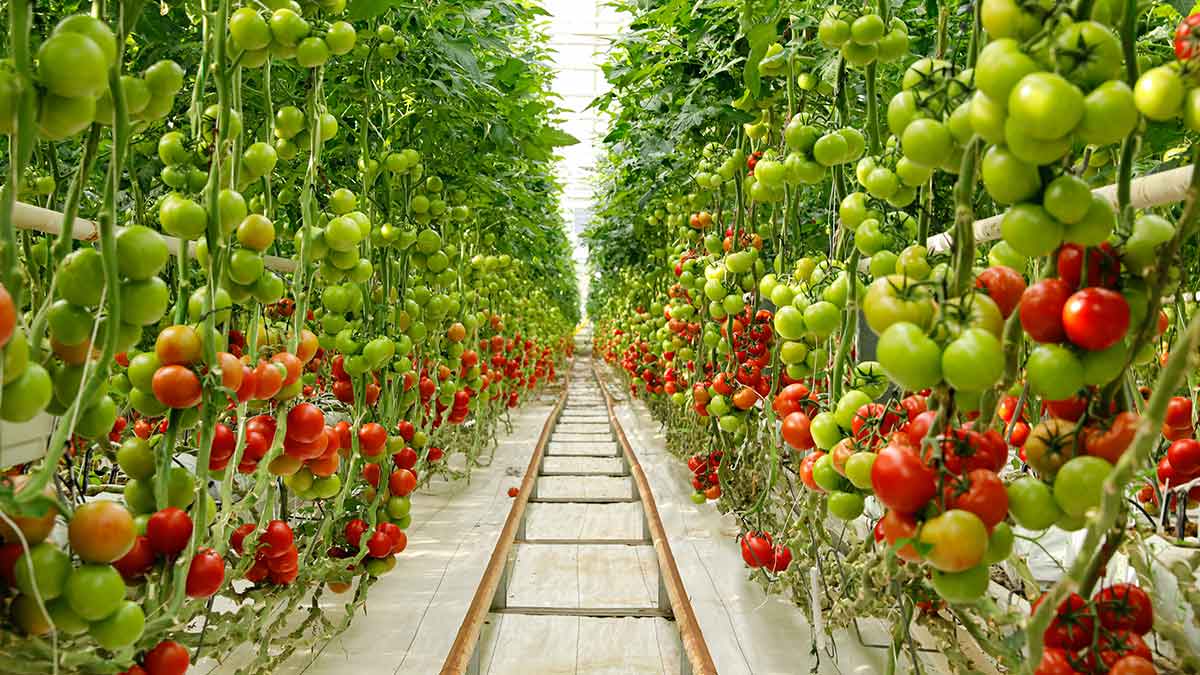
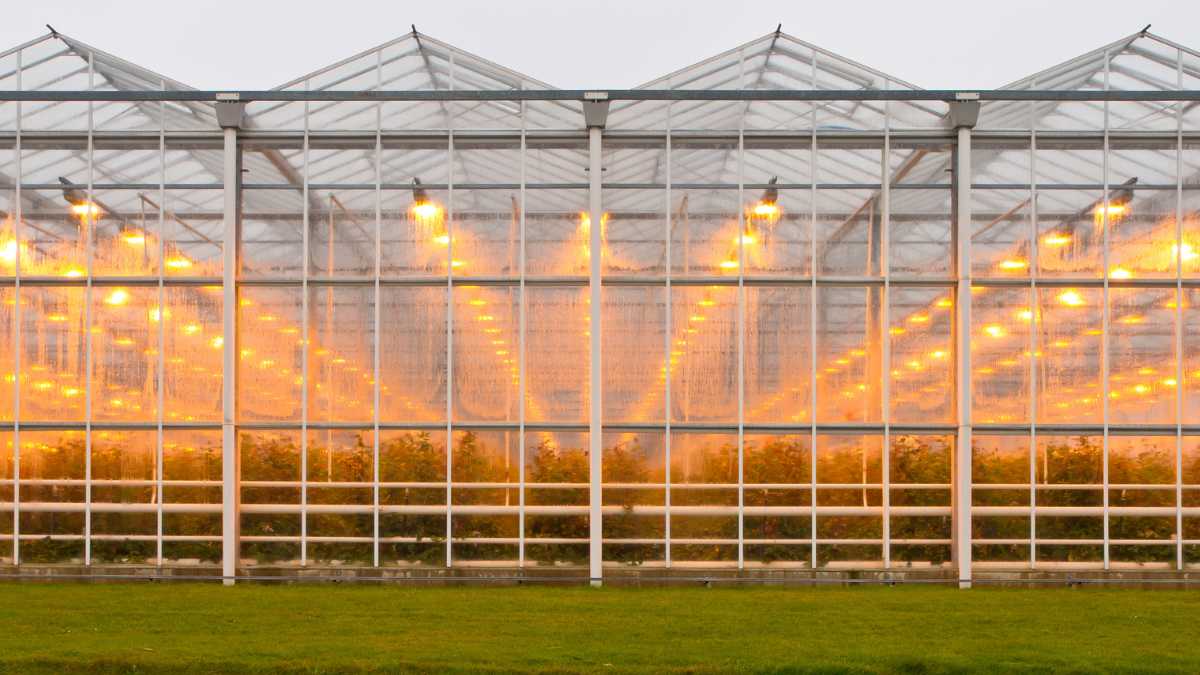
Commercial greenhouse vegetable operations use many of the same basic ideas for protecting plants from weather and managing temperature and water, but on a much larger scale with more automation and investment. Instead of cloches or cold frames, they use large glass or plastic structures with sophisticated climate controls, irrigation systems, and environmental monitoring. Their systems allow them to produce high volumes of vegetables such as tomatoes, cucumbers, and peppers on a small land base and over longer seasons than field production alone.
What this means for you
At home, simple structures can give you some of the same benefits like buffering against frost, wind, and rapid temperature changes, on a much smaller scale, while you continue to rely on Canadian greenhouse growers for most of the year‑round supply of vegetables in stores.
Key takeaways
Cloches protect individual plants or small groups from cold and wind, and are easy, low‑cost tools for early or late‑season protection.
Low tunnels and cold frames offer row‑ or bed‑scale protection and modest season extension without the cost and complexity of a full greenhouse.
Simple windbreaks can significantly reduce stress on container and garden plants in exposed Canadian locations.
Commercial greenhouses apply the same principles of protecting plants from weather and managing conditions, at a much larger, more technological scale to supply vegetables for much of the year.
Recipe collections using greenhouse vegetables, and seasonal guides for using lettuce, cucumbers, peppers, and eggplants grown in Canada.
Eating Seasonally



 How Canadian Vegetables Move Through the Supply Chain
