
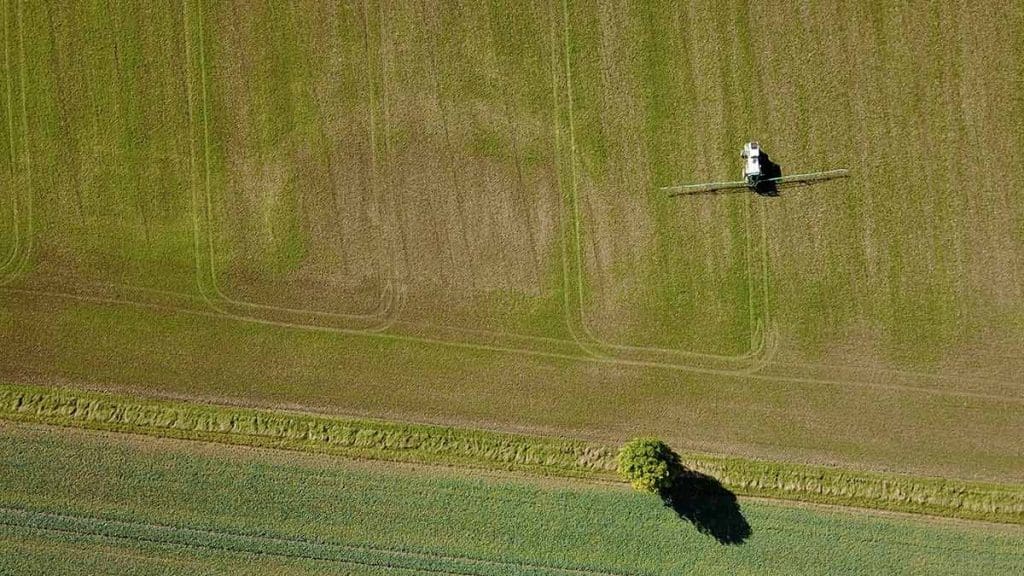
If you have ever seen a Canadian field and noticed perfectly straight crop rows, there is a good chance GPS (Global Positioning System) guidance was involved. On many Canadian farms, tractors, harvesters and other equipment use GPS‑based auto‑steer to follow precise paths across the field, even in low‑visibility conditions. Straighter, consistent passes help farmers use seed, fertilizer and crop protection products more efficiently and reduce missed or double‑treated strips, which supports both crop health and careful use of resources. GPS is a tool that helps farmers do careful, repeatable work and can cut down on fatigue while improving field accuracy, which connects directly to efficiency, sustainability and safety outcomes on the farm.
What is GPS guidance on Canadian farms?
GPS guidance is a system that uses satellite positioning to show exactly where machinery is in a field and to steer along planned paths, often with auto‑steer that can keep the machine on track with very little manual steering. Farmers set up reference lines and the guidance system calculates parallel passes so each strip of land is covered once without overlap or gaps. A screen in the cab shows the machine’s position, previous passes and treatment coverage, helping the farmer see where they have already worked.
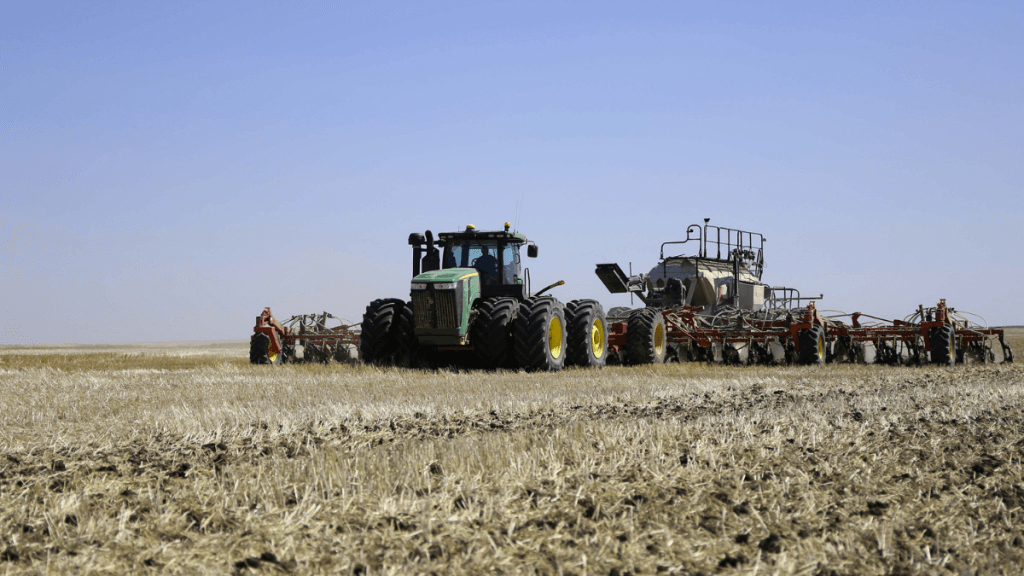
On Canadian field crop farms, GPS guidance is common for seeding, spraying and fertilizing in crops like wheat, canola, barley, oats and pulses, and on forage fields used for silage or hay. GPS guidance systems are used on farms of many sizes across Canada to improve accuracy and reduce the farmer’s fatigue.
How does GPS guidance affect food safety?
Does GPS guidance make my food “safer”?
GPS supports the safe production of food by helping farmers apply crop protection products and fertilizers very precisely, using the right amounts in the right places according to Canadian labels and regulations. More uniform application of seeds, fertilizer and crop protection products supports even plant growth, which can reduce crop stress and help manage disease and weed pressure that might otherwise affect crop quality. Precision placement also supports the broader pesticide and nutrient management framework overseen by Canadian regulators.
Does GPS guidance replace inspections or rules?
No. Farmers still must follow Canadian regulations and product labels, and finished food must still meet safety standards set and monitored by federal and provincial authorities. GPS guidance is a tool that helps farmers follow those rules more consistently by reducing human error, such as missing a strip of the field or unintentionally overlapping on part of a pass.
How do GPS systems support efficiency and affordability?
How does GPS guidance make farm work more efficient?
GPS‑based auto‑steer reduces overlap and missed strips when seeding, spraying, fertilizing or harvesting so farmers are less likely to cover the same ground twice or leave untreated gaps. Studies and industry data indicate that auto‑guidance can cut overlap significantly, which translates into measurable savings in seed, fertilizer, herbicides, fuel and time. Guidance can also support sectional control, where the farmer can program the tractor to send instructions to certain sections of the machine, like applying herbicide only from specific nozzles rather than to the entire system. and variable rate technologies that further refine where and how much product is applied.
What does using GPS systems in agriculture have to do with food prices?
When farmers can do the same work with less fuel, less fertilizer and fewer passes, they can manage some of their production costs more effectively, even though many other factors like transportation, energy, processing and retail margins influence what you pay in the store. A precision tool like GPS guidance is one way farmers try to keep their side of the system as efficient and resilient as possible.
Farming Innovations





How does GPS guidance in farming support sustainability and the environment?
Does GPS guidance in farming help reduce waste?
Yes. By reducing overlap on equipment passes, GPS‑guided systems paired with automatic sectional control technology and variable rate technology can cut fertilizer applications and lower fuel use. A Canadian Canola Council study reported improved seed and fertilizer placement efficiency associated with technologies including auto‑guidance and section control, alongside fuel savings from fewer overlapping passes. These improvements support environmental goals by lowering input use per unit of production.
What does GPS mean for soil and water?
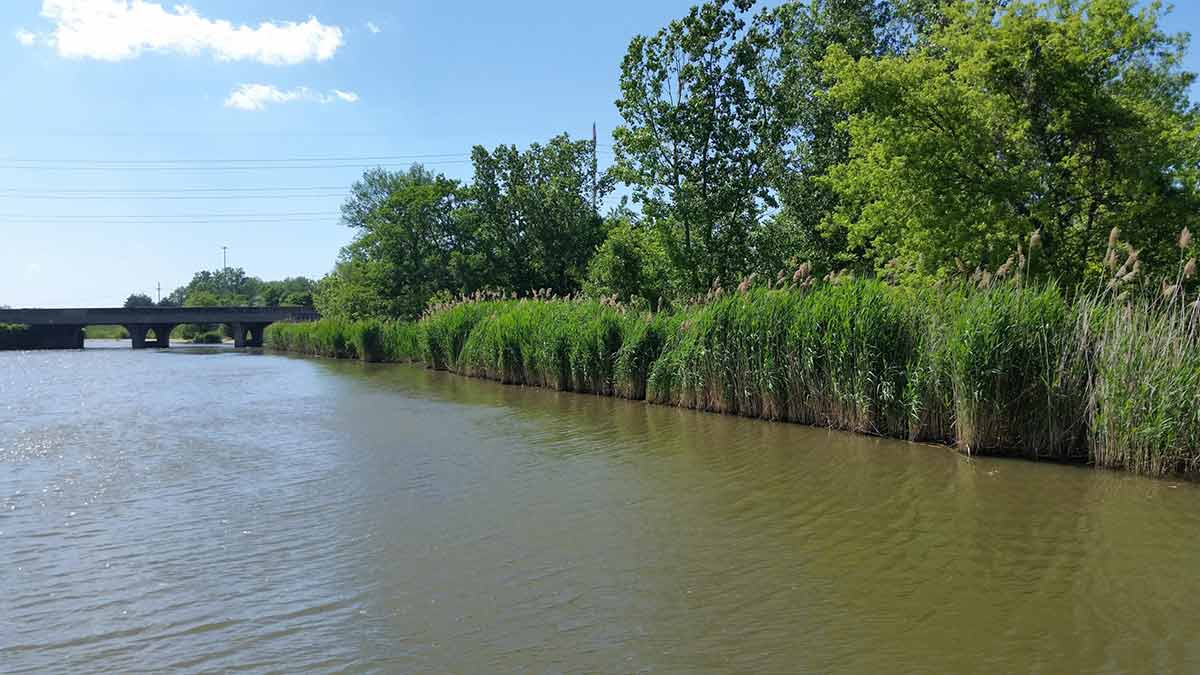
Fewer passes, less overlap and precise application of inputs can mean less equipment traveling over the field compacting the soil in some systems and more accurate placement of inputs, which helps protect soil structure and reduces the chance of fertilizers or crop protection products, like pesticides, being applied where they are not needed. No-till and minimal till farming practices and various innovations and sustainable farming practices that have been adopted in Canada (especially Western Canada), are producing some of the least carbon-intensive crops in the world. Better placement and reduced overlap support more efficient nutrient uptake and can lower the risk of runoff or leaching of unused nutrients into water, as part of broader soil and water stewardship efforts on Canadian farms.
What does it mean for farmer health and well‑being?
Does auto‑steer just let farmers “zone out”?
Auto‑steer does not replace attention, but it does take over the fine steering so farmers can focus on monitoring equipment, screens and surroundings without constantly correcting the wheel. Guidance holds a straight line and reduces the need for continuous minor adjustments, head turns and tight grip on the steering wheel, which can lessen physical and mental strain during long days. Farmers still need to watch for obstacles, manage implements and respond to changing conditions.
Why does reduced fatigue in farming matter to me as a shopper?
Fatigue is a known safety risk in many sectors, including agriculture, because it can increase the chance of mistakes and slower reactions. When guidance systems help reduce repetitive steering tasks and strain, farmers can maintain better focus on safety, equipment monitoring and field conditions, supporting safer operation and more consistent work during critical seeding and harvest windows. That contributes to the reliability of the food supply and the well‑being of the people doing the work.

Common questions Canadians ask about GPS guidance
Does GPS mean farms are turning into “factory farms”?
GPS guidance is used on a range of farm sizes in Canada; it is a tool to drive straighter and use inputs carefully, not a sign of any particular farm size or style. Many family‑run field crop and mixed farms adopt guidance systems to improve accuracy and reduce stress without changing who owns or manages the farm. 98% of farms in Canada are family owned.
Is GPS technology only for big farms?
Larger farms were among the early adopters because guidance systems were initially more expensive, but equipment options have expanded and become more accessible over time, so GPS is used on both larger and smaller farms.
What happens if the technology fails?
If a GPS signal is lost or a system error occurs, farmers can switch to manual steering and continue working, drawing on their own experience and field markings. Guidance supports their work but does not replace basic driving skills, safety checks or field knowledge.
Voices from Canadian farms and experts
A recent study from The Global institute for Food Security shows that Saskatchewan crop production has the lowest carbon footprint of competitive jurisdictions in most crops. Saskatchewan has a track record of maintaining healthy soils, sequestering carbon, and minimizing emissions by adopting innovative technology, implementing zero and minimum tillage, diversifying crop rotations, converting annual cropland to perennial cover, and investing in research.
See GPS technology in action on the farm
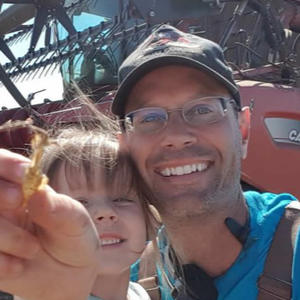
My family and I work long hours during the seeding, spraying and harvesting seasons. Having our GPS and auto-steering systems in all our equipment means we can all stay more mentally focused and reduce fatigue errors. This technology paired with our many precision sensors, means we can also locate issues before they become larger problems.
Take away for grocery shoppers
- You can feel confident that GPS guidance helps farmers use seeds, fertilizers and crop protection products more carefully and consistently on Canadian fields, supporting even crop growth and more precise seed, fertilizer and pesticide use.
- The same technology helps manage fuel and input use, which supports efficiency on the farm side of the food system, even though many other factors influence prices in the store.
- GPS guidance is part of a wider shift toward precision agriculture and “doing more with less,” aligning productivity with sustainability and environmental goals.
- By reducing repetitive steering demands and helping manage long days safely, guidance systems support farmer health and safety, which is essential for a reliable food supply.


 Baking with Canola Oil: A Simple Guide for Home Bakers
