
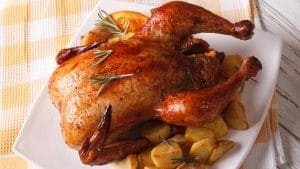
Enjoying a beautifully roasted chicken is a delicious, confidence-boosting way to try local Canadian ingredients and stretch your grocery dollars. Whether you’re roasting your first chicken or looking to try out elevated techniques like brining or spatchcocking, this guide covers each step. Plus, get inspired by creative ideas for using leftover chicken in future meals!
The Basics of Choosing and Preparing Chicken
When shopping for your chicken, look for the “Raised by a Canadian Chicken Farmer” logo on packaging or ask your grocer. This logo assures you’re buying Canadian chicken that’s raised to strict standards.

Always remember the key steps for food safety:
- Clean (wash your hands, surfaces, and utensils)
- Separate (avoid cross-contamination by using different boards for meat and produce)
- Cook (to the proper internal temperature)
- Chill (refrigerate promptly)
Proper chicken storage and thawing helps to keep your meals safe and your food flavourful. Store fresh chicken in your fridge for 2–3 days, or freeze for longer—up to 12 months for a whole chicken. Always thaw chicken in the refrigerator, microwave, or in cold water (never at room temperature), and use thawed chicken within 48 hours. Change cold water every 30 minutes if using that cold water method and always cook thoroughly after thawing.
The Basics: How to Roast a Whole Chicken
Roasting is one of the easiest and most flavourful ways to prepare a chicken. Here’s how you can do it:
- Preheat your oven to 350°F (175°C).
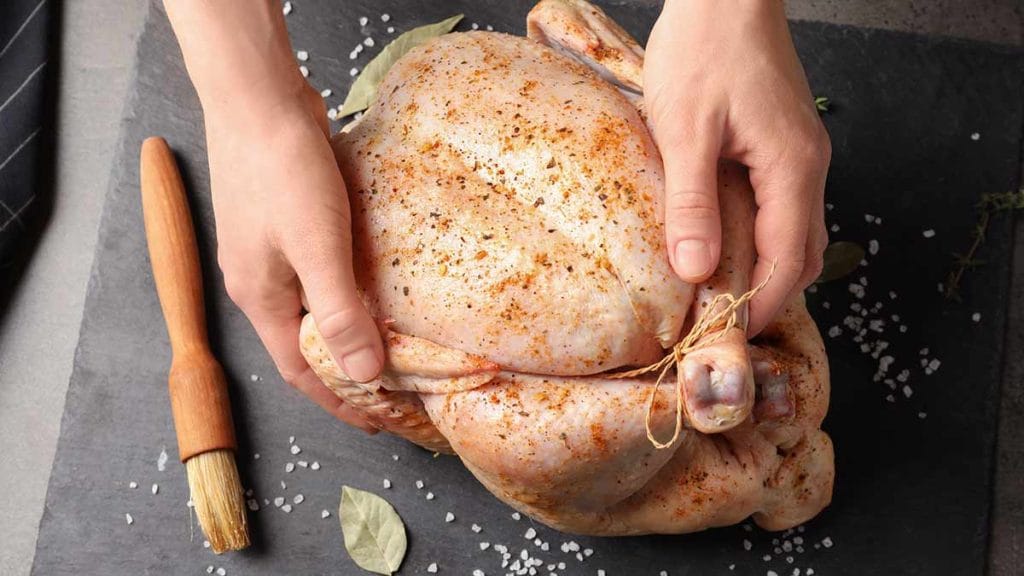
- Preparation: Remove giblets and the neck from inside the thawed or fresh chicken. Pat dry.
- Seasoning: Mix softened butter or canola oil with your favourite savoury herbs and spices plus salt, and pepper. Brush or rub mixture on the skin. Alternatively, you can gently loosen the skin and spread half the mixture underneath; spread the rest over the skin. Tuck wing tips under the back and tie the legs with kitchen string. This is called trussing and it helps the chicken cook evenly, but note a trussed chicken takes the same time to cook as an untrussed chicken.
- Place chicken breast-side up on a rack in a roasting pan.
- Roast: Loosely cover with foil. Roast until a cooking thermometer in the breast reaches 180°F (82°C), about 90 minutes for a 3 lb (1.36 kg) chicken. Rest 15 minutes before carving for extra juiciness.
Herb Combinations for Roasting Chicken
- Classic Trio: Fresh or dried parsley, rosemary, and thyme.
- Lemon Herb Blend: Chopped fresh cilantro, basil, a little lemon zest, and crushed black pepper.
- Savoury Mediterranean Mix: Oregano, sage, and marjoram (or substitute with Italian seasoning).
Elevate Flavour: Brining, Marinating, and Spatchcocking
Brining a Chicken
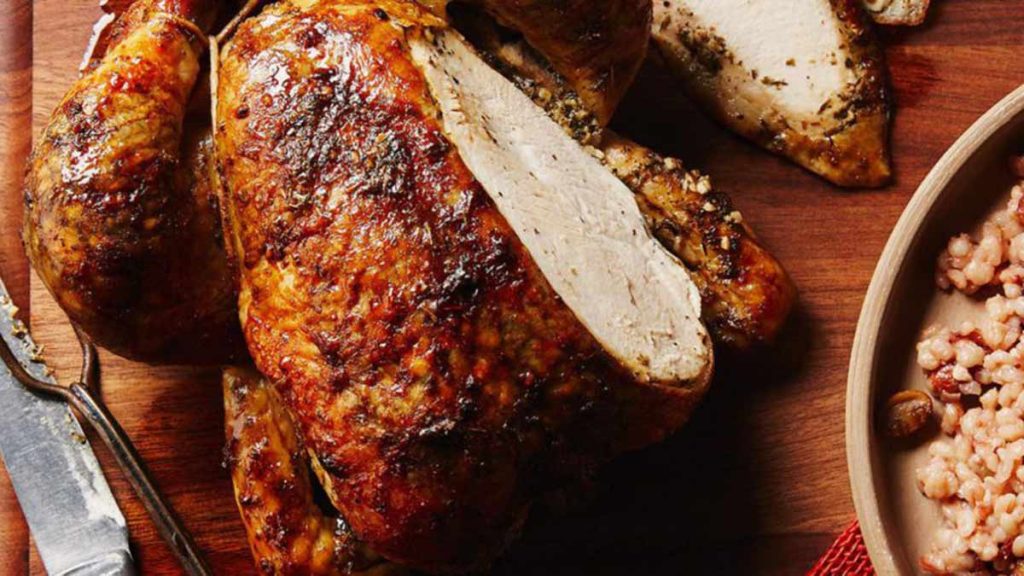
Brining is a technique that keeps chicken moist and adds depth of flavour. To brine a whole chicken:
- Make the Brine: Combine ¼ cup (60 mL) of salt, 2 tbsp (30 mL) sugar with 2 cups (500 mL) water. Add pepper, smashed garlic, and aromatics (like thyme) to taste. Bring to simmer, and dissolve all salt and sugar. Cool completely in the fridge or by placing the pot in a bowl of ice.
- Soak Your Chicken: Submerge the whole chicken in the cooled brine. Refrigerate and let it soak for about 1 hour per pound (e.g., 3 – 4 hours for a small chicken).
- Remove, rinse off salt, and pat dry before roasting—this step helps ensure crispy skin.
Marinating a Chicken
Let chicken marinate in the refrigerator for at least 1 hour or overnight for deeper flavour.
Use food-safe containers and keep raw chicken refrigerated and separated from other ingredients. Discard the brine after marinating.
A marinade infuses chicken with flavour and tenderness. Try simple mixes of:
- Oil (such as canola oil), acid (like lemon juice or vinegar), herbs, and spices.
- Lemon-Garlic & Herb Marinade: Canola oil, minced garlic, dried oregano, freshly grated lemon zest, lemon juice, salt, and black pepper.
- Honey Mustard Marinade: Grainy Dijon mustard, liquid honey, apple cider vinegar, freshly ground black pepper, cayenne pepper, and a touch of chopped basil. This sweet-tangy combo caramelizes beautifully as the chicken roasts.
- Soy & Citrus Marinade: Soy sauce, orange juice, lime juice, a splash of sesame oil, minced garlic, and ground ginger.
Spatchcocking (Butterflying)
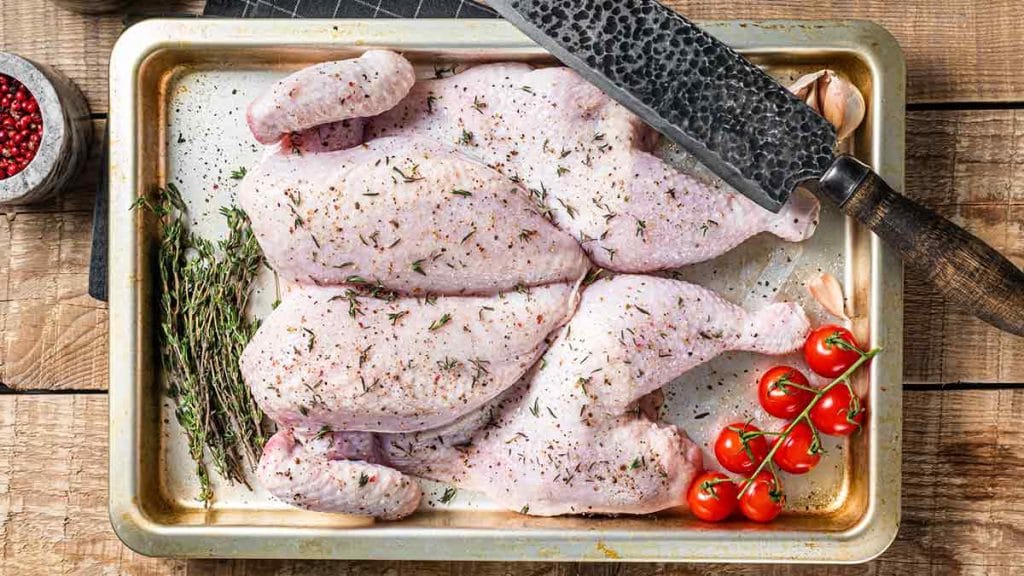
Spatchcocking is a handy way to help a chicken roast faster and more evenly. To spatchcock:
- Place chicken breast side down. Using kitchen shears, cut along both sides of the backbone and remove it.
- Flip chicken breast-side up and press firmly on the breastbone to flatten.
- Spatchcocked chickens usually roast in about 50–60 minutes—about 15 minutes less than a whole, intact bird. Lay the chicken over a bed of vegetables for a one-pan meal as it bastes everything in its juices.
Safe Cooking & Serving Tips
- Roast whole chicken to 82°C (180°F) for doneness.
- Always use a clean meat thermometer, placing it in the thickest part of the thigh (not touching bone).
- Store leftovers within 2 hours (1 hour in warm weather); use within 4 days. Remove bones before refrigerating for easier use.
Leftover Chicken: Easy Ideas for Quick Meals
Stretch your roasted chicken—and your budget—by transforming leftovers into new meals. Here are some tasty ideas:
- Chicken Sandwiches: Slice and add to whole grain bread with greens, tomato, and your favourite spreads.
- Super-Greens Caesar Salad: Toss roasted chicken with spinach, kale, romaine, toasted almonds, and Parmesan for a fibre-rich, light supper.
- Chicken Soup: Simmer bones and leftover pieces with vegetables and noodles for a comforting homemade broth.
- Casserole or Pot Pie: Combine chopped chicken with veggies, a flavourful sauce, and top with pastry or mashed potatoes.
- Wraps: Roll up chicken with lettuce, slaw, cheese, and salsa for easy lunches on the go.
Roasting a chicken is a wonderful way to create a nourishing, flavourful meal. Try extra techniques like brining or spatchcocking to add your own personal twist. Happy Roasting!



 Making Mealtime Easier With An Air Fryer
