How to Store Asparagus to Cut Food Waste
Learn effective techniques for storing asparagus to cut food waste and keep it fresh longer in your fridge.

Canadian Food Focus
#loveCDNfood

Learn effective techniques for storing asparagus to cut food waste and keep it fresh longer in your fridge.
Explore the benefits of seasonal apples and learn how storage affects pricing and quality throughout the year.
It’s easy to bring home a bag of apples with good intentions and then find them soft or wrinkled at the back of the drawer a few weeks later. Proper storage can help apples stay fresh longer, which means fewer last-minute “what’s for snack?” emergencies and less money lost to food waste. In Canada, apples …
Learn how to store yogurt effectively to maximize freshness and minimize waste. Simple tips for Canadian households.
Make yogurt choices easier! Explore tips on choosing yogurt and learn how to enjoy its benefits in your daily routine.
Transform your leftover ingredients into a delightful frittata that works for any meal of the day and reduces food waste.
Discover how the Canadian food industry is using technology and innovation to address rising food prices and improve food affordability.
Arctic apple varieties maintain their flavour and last longer, meaning apple slices can be offered in cafeterias and lunchboxes as a convenient, nutritious food choice.
Byproducts are the unsung heroes of the agricultural world, and they deserve our attention, especially for those of us with a keen interest in food and sustainability.
As the world’s population continues to grow, we will need to produce more food from less land and with fewer resources. Innovation will be critical.
In Canada, 63% of the food thrown away could have been consumed. Vegetables and fruits are the most wasted food. Find out how you can reduce food waste.
Genetic tweaks can drastically reduce food waste post-harvest. The Innate® potato is an example of a new crop designed to reduce food waste by being more durable.
Farmers and food companies are coming up with new ways to reduce waste and find new uses for products that can’t be fully utilized in the human food stream.
Upcycling is one solution to reducing food waste by taking overlooked byproducts (leftover foodstuff) of processing and creating new ingredients.
Learning how to make a stir fry is simple. What could be better than a meal in one pan that’s fresh packed with veggies and protein.
Insects are common fare in many parts of the world. In recent years, edible insects like crickets and mealworms are gaining in popularity in Canada.
Farmers and brewers save money, keep organic waste out of the landfill, and produce two valuable food products from one ingredient.
Making homemade chicken stock is simple to do, and one of the best skills you can have in your kitchen repertoire.
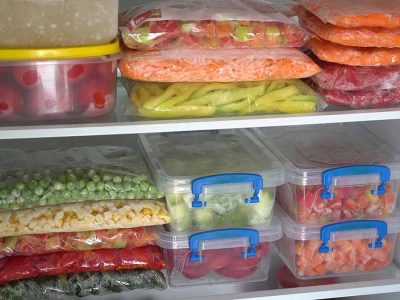
Savvy use of a deep freeze storage keeps a good supply of meal items on hand and helps reduce food waste.
Using up leftovers in a stirfry is a great way to avoid food waste. Learn the main components of a stirfry and how to make one with the ingredients in your fridge.
"*" indicates required fields